
Texas THC Vape Ban (SB 2024) Now in Effect: What to Know
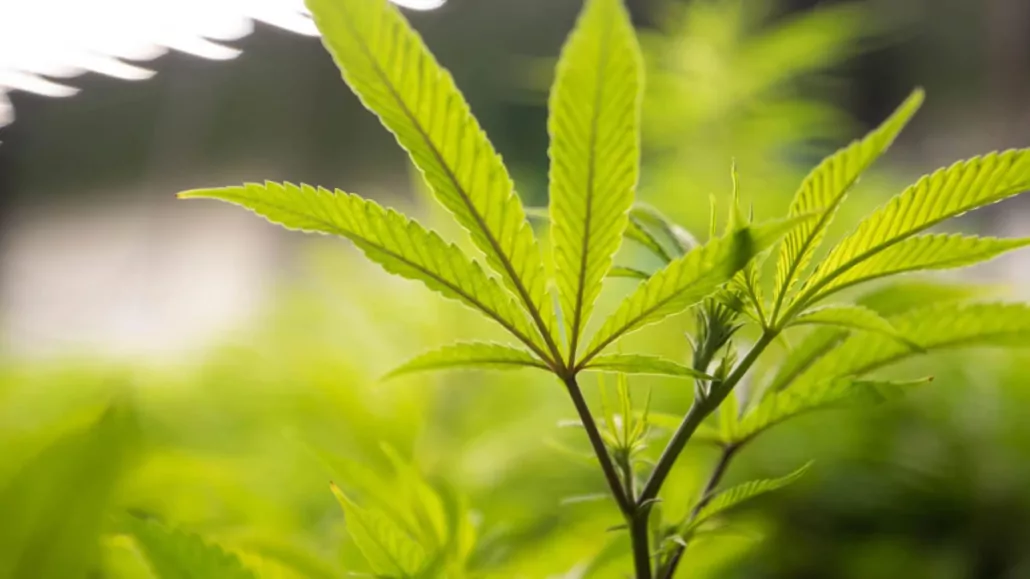
New Law Prohibits Sale of All Vapes Containing Cannabinoids, Including Legal CBD and Delta-8
A new and significant anti-vape law, Senate Bill 2024 (SB 2024), has officially taken effect in Texas as of September 1st. The legislation prohibits the sale and marketing of all vaping devices that contain cannabinoids, effectively removing a wide range of popular products from the shelves of retail stores across the state. This includes vapes containing not only THC but also federally legal, non-intoxicating compounds like CBD, as well as hemp-derived psychoactive substances like Delta-8 THC and THCA. The law also includes restrictions on certain nicotine vapes and youth-appealing marketing.
Authored by State Senator Charles Perry, a Lubbock Republican and critic of recreational cannabis, SB 2024 introduces stringent penalties for violators. The marketing or sale of a prohibited vape product is now a Class A misdemeanor, punishable by up to one year in jail and a fine of as much as $4,000 per offense. It is crucial to note, however, that the law does not criminalize the personal possession or use of these vape products; it only targets their commercial sale, marketing, and distribution.
What Exactly Does SB 2024 Ban?
The new law is multifaceted, prohibiting the marketing, advertising, or sale of e-cigarette products that meet any of the following criteria:
- Contains Cannabinoids: This is the most impactful provision for the hemp industry, banning any vape that contains cannabinoids such as THC, CBD, Delta-8 THC, or THCA.
- Contains Other Specific Substances: The ban also extends to vapes containing alcohol, kratom, kava, mushrooms, or their derivatives.
- Youth-Appealing Marketing: Prohibits any vape product marketing that depicts cartoon-like characters, imitates trademarks of products aimed at minors (e.g., candy or juice brands), or includes images of celebrities.
- Originates from China: The law also restricts the sale of certain nicotine vapes manufactured in or marketed as being from China.
Legislative Context: A Surprise Move Amidst a Broader Fight
The passage of SB 2024 came as a surprise to many in Texas’s $8 billion hemp industry, who had been focused on defeating a separate, more comprehensive proposal (initially SB 3, now SB 6 in the special session) that aims to outlaw nearly all intoxicating THC products in the state, including edibles and flower. Governor Greg Abbott had previously vetoed an earlier version of that broader ban, calling for regulation rather than outright prohibition.
However, SB 2024, which specifically targets the vape delivery method for cannabinoids, successfully passed and was signed into law. This has left retailers scrambling to understand its full implications and remove a significant portion of their inventory – for some, representing over 30% of their business. While the broader fight over THC consumables continues in the Texas Legislature’s special session, the ban on THC, CBD, and other cannabinoid vapes is now the law of the land, fundamentally altering the market for these products in Texas.

- Recycling Point, Bin, or Kitchen Drawer? What UK Vapers Actually Do With a Dead Device - September 30, 2026
- How Cannabis Operators Should Qualify a Vape Hardware Supplier - September 30, 2026
- From Distillate to Finished Pod: The Quality-Control Steps Behind a Premium CBD Vape - September 30, 2026
Related posts:
 New York Conducts Largest-Ever Crackdown on Illegal Vape Sales
 Philippines DTI Orders Takedown of Illegal Vapes Online
 Pakistan Punjab Bans Smoking and Vaping in All Parks and Gardens
 Nevada Vape Directory Bill (SB 435) Faces Opposition
 Iceland to Tighten Nicotine Pouches & Vape Laws
 UK Snap Election Puts Tobacco and Vapes Bill on Hold

