
Australia Bans Synthetic 6-Methylnicotine in Vapes and Pouches
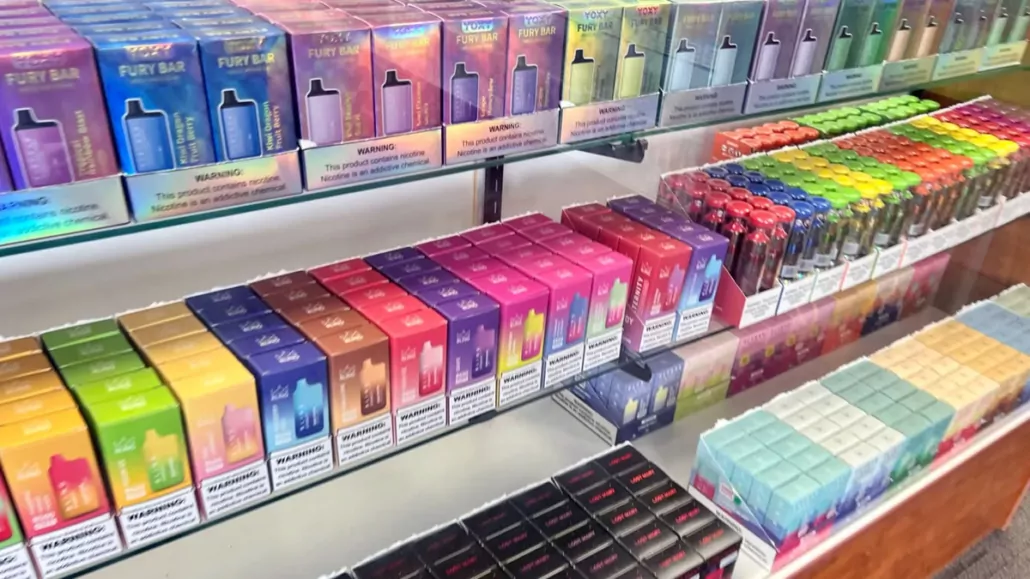
Australia’s Therapeutic Goods Administration (TGA) has banned 6-methylnicotine, a synthetic nicotine analogue found in unapproved vapes and oral pouches. Effective October 1, 2026, the regulator will list the compound as a Schedule 9 prohibited substance, outlawing its sale, supply, and commercial possession nationwide.
Closing the Synthetic “Nicotine-Free” Loophole
Manufacturers introduced 6-methylnicotine to bypass Australia’s prescription-only vaping framework. Marketed under the guise of “nicotine-free” alternatives, these products entered the domestic market in bright packaging with candy-like flavours, specifically targeting young buyers seeking to avoid medical prescription requirements.
The TGA’s intervention targets this chemical loophole directly, ensuring that any synthetic substance designed to mimic nicotine’s pharmacological effects faces the same regulatory barriers as pharmaceutical nicotine.
Escalating Regulatory Action to Schedule 9
Following an advisory committee review and more than 160 public submissions, the TGA decided against an earlier proposal to place the chemical in Schedule 7. Instead, authorities escalated the substance directly to Schedule 9.
Schedule 9 is reserved for substances with a high potential for abuse and no recognized therapeutic value. By assigning this status, the regulator criminalizes the distribution and possession of 6-methylnicotine outside authorized medical and scientific research settings.
Public Health Risks and Receptor Toxicity
Health advocates raised concerns regarding the lack of human safety data for novel synthetic analogues. While traditional nicotine has documented clinical profiles, 6-methylnicotine lacks long-term cardiovascular and respiratory research.
Toxicological assessments indicate that 6-methylnicotine exhibits high binding affinity for nicotinic acetylcholine receptors. This interaction can accelerate chemical dependency and trigger acute withdrawal symptoms. Furthermore, unstandardized dosing across illicit brands creates severe risks of accidental poisoning and overdose.
Border Control and Police Enforcement
The Schedule 9 classification gives law enforcement clear authority to target the supply chain. The Australian Border Force will use updated chemical detection protocols to intercept imports containing 6-methylnicotine at international entry points.
Domestically, state police and health inspectors can raid retail outlets suspected of stocking the analogue. Retailers and importers caught distributing the substance face severe financial penalties and potential imprisonment.
The TGA stated it will continue tracking emerging synthetic analogues to prevent manufacturers from introducing alternative chemical variants into consumer markets.

- Guyana Bans Recreational Vaping Products - October 19, 2026
- PHILTHRA Urges Risk-Based Vape Taxes as Research Shows 90% Toxin Drop - October 19, 2026
- Eight EU Nations Demand Total Vape Flavor Ban and Market Freeze in TPD Overhaul - October 19, 2026
Related posts:
 SC: Richland County Proposes Vape Shop Buffer Zones Near Schools
 Nicotine Pouches Banned in Germany Pose Health Risks
 Trump’s FDA Pivots to Authorize Flavored Vapes, Targeting Black Market
 South Korea’s Synthetic Nicotine Regulation Leaves E-Cigarette Industry Anxious
 South Korea to Regulate Synthetic Nicotine as Tobacco Product

