
US Fast-Tracks Smoke-Free Nicotine as Asia-Pacific Enforces Bans
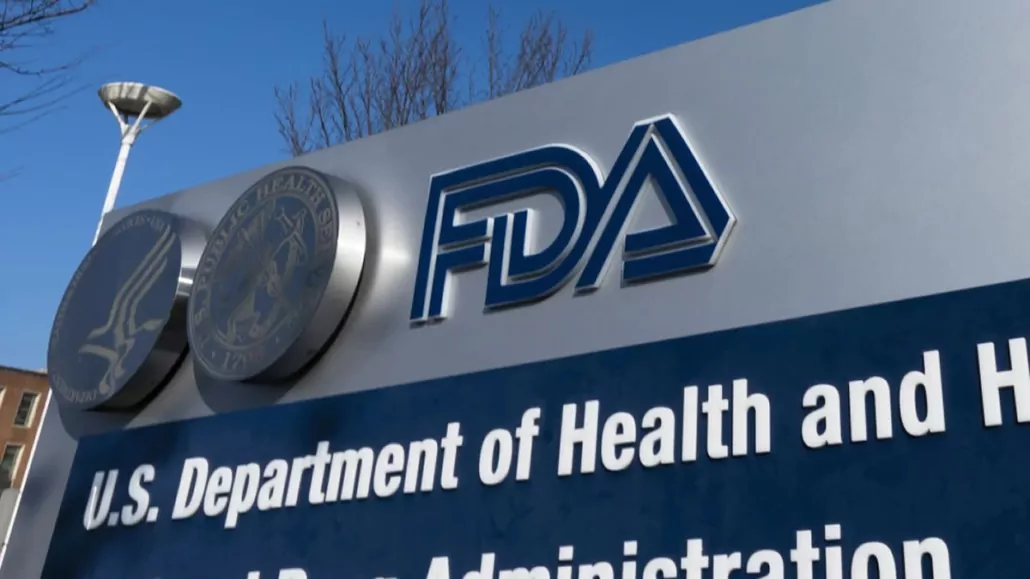
The United States Food and Drug Administration is preparing to streamline review procedures for vapes and nicotine pouches, while governments across the Asia-Pacific region escalate bans, product seizures, and criminal prosecutions of the exact same alternatives.
US regulators plan to update 2021 premarket application rules by simplifying study requirements and shortening review timelines. By expanding access to regulated alternatives, the FDA aims to push illicit products off retail shelves. The agency has already authorized 43 nicotine pouch products, acknowledging that adult smokers who switch completely reduce their exposure to toxic chemicals found in combustible tobacco.
Contrasting Regulatory Approaches in Asia-Pacific
In contrast, multiple Asia-Pacific governments are treating smoke-free nicotine products with strict prohibition, even as traditional combustible cigarettes remain legally sold.
| Country | Policy Direction | Enforcement Action |
|---|---|---|
| United States | Streamlined Approvals | Shortening review times; 43 nicotine pouches authorized |
| India | Total Prohibition | Ordering state seizures and prosecutions of pouch sellers |
| Vietnam | Statutory Ban | Drafting full bans on vapes and heated tobacco devices |
| Australia | Strict Restriction | Banning nicotine pouches entirely, even by prescription |
| Philippines | Targeted Regulation | Regulating smoke-free products rather than imposing bans |
Harm Reduction Advocates Warn Against Black Markets
The Coalition of Asia Pacific Tobacco Harm Reduction Advocates (CAPHRA) criticized the regional crackdowns, warning that prohibition backfires by feeding organized crime.
“Cigarettes stay on every shelf. The products that help people quit are banned, seized or pushed onto the black market. That is not public health policy. It is protecting the deadliest product by default,” said Nancy Loucas, Executive Coordinator of CAPHRA.
Loucas pointed to Australia as evidence of failed prohibition. Recent wastewater analysis revealed that approximately 80% of all nicotine consumed in Australia now comes from unregulated, illicit sources. Rather than reducing nicotine consumption, strict bans transfer market control directly to criminal syndicates.
Clarisse Virgino, CAPHRA’s representative in the Philippines, noted that regulating rather than banning provides a viable regional path forward. Regional tobacco harm reduction progress and regulatory models will be formally reviewed at the Asia Forum on Nicotine (AFN26) in Manila on October 16–17.

- Guyana Bans Recreational Vaping Products - October 19, 2026
- PHILTHRA Urges Risk-Based Vape Taxes as Research Shows 90% Toxin Drop - October 19, 2026
- Eight EU Nations Demand Total Vape Flavor Ban and Market Freeze in TPD Overhaul - October 19, 2026
Related posts:
 How Will Marijuana Rescheduling Impact Health Insurance and Medical Plans?
 FDA Allocates $200M to Combat Illicit Vapes, Boosts Enforcement
 Smoke Shops Challenge Wisconsin Vape Ban in Federal Court
 Is It Illegal to Vape or Smoke While Driving in South Dakota?
 Australia’s “War on Nicotine” Doomed to Fail Like War on Drugs

