
Baltimore Proposes Strict Zoning & Rules for Smoke Shops
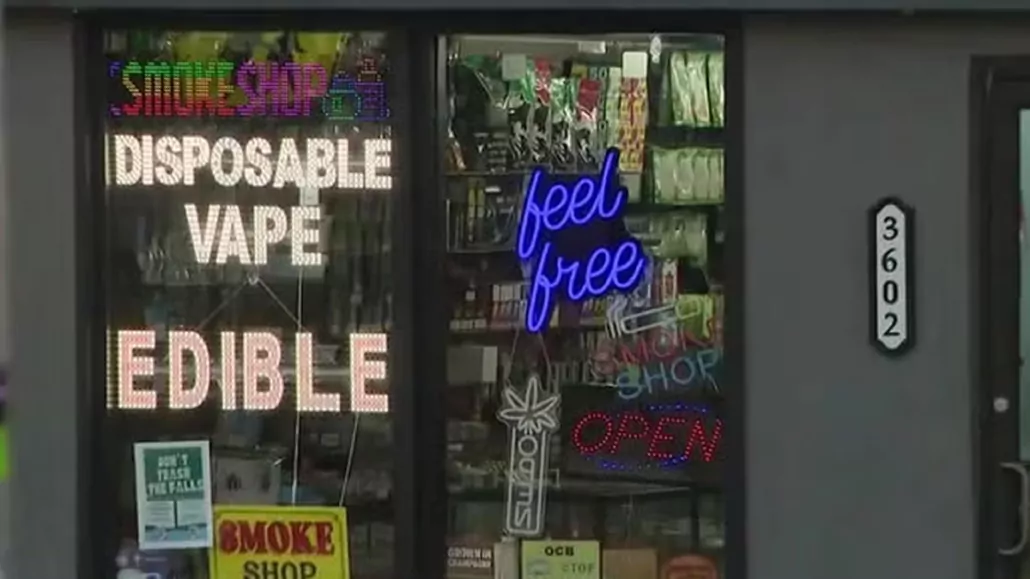
Baltimore City leaders have launched a legislative offensive against the proliferation of unregulated smoke shops, introducing a three-part package designed to curb youth access and neighborhood density. The proposed measures, backed by City Council President Zeke Cohen and licensed dispensary owners, target “illegal” shops that undercut legitimate businesses by selling unregulated products to minors. The crackdown focuses on strict zoning buffers, lighting restrictions, and a formal investigation into the industry’s impact on public safety.
Key Takeaways
- Zoning Buffers: New bills propose banning smoke shops within 500 feet of schools and 1,500 feet of each other.
- Lighting Caps: The “Display Luminance Bill” limits window brightness to reduce driver distraction and youth appeal.
- Density Crisis: Councilman Antonio Glover reports 13 smoke shops operating within a three-block radius on East Monument Street.
- Business Support: Licensed dispensaries back the move, citing unfair competition from shops selling unregulated, untaxed products.
Zoning as a Public Safety Tool
The proposed “Smoke Shop Use Standards Bill” reveals a strategic shift from policing individual sales to regulating land use. Councilman Zac Blanchard’s proposal formally defines a “smoke shop” as any retailer devoting at least 10% of floor area to tobacco or vaping products. By imposing a 1,500-foot buffer between shops, the city aims to dismantle the clusters currently forming in neighborhoods like McElderry Park.
The density issue is acute. Councilman Glover noted that East Monument Street has seen over a dozen shops open in the last year alone, many selling products with “suspicious packaging” designed to look like candy. This saturation makes enforcement difficult, as stores open and close faster than authorities can investigate them.
Targeting “Nuisance” Marketing
The “Display Luminance Bill” shows a direct attack on marketing tactics used to attract minors. Councilman Jermaine Jones argues that ultra-bright, all-night lighting in residential areas constitutes a public nuisance. The bill caps daytime brightness at 5,000 candelas per square meter and nighttime brightness at 500 candelas. This measure is designed to neutralize the “candy store” aesthetic that many unregulated shops use to lure young customers.
Comparison Matrix: Legal vs. Unregulated Shops
Licensed operators like GreenLabs argue that the current landscape creates a two-tiered system.
| Feature | Licensed Dispensaries (e.g., GreenLabs) | Unregulated Smoke Shops |
|---|---|---|
| Entry Requirements | ID check at door (21+) | Often no verification |
| Product Safety | Regulated, tested products | Unregulated, potential for fentanyl lacing |
| Taxes & Fees | Pay sales/income tax & license fees | Often pay nothing |
| Marketing | Strictly regulated | Bright lights, candy-like packaging |
Will existing shops be closed?
While the bills target new licenses, the investigation committee could recommend retroactive enforcement for shops violating nuisance laws. The focus is currently on stopping new shops from opening near schools and breaking up density clusters.

- Indonesia: Denpasar Updates Smoke-Free Bylaw to Tighten Vape Rules - October 20, 2026
- Teen Girls Surpass Boys in Vaping Rates, Reversing Historic Trends - October 20, 2026
- Alabama: Irondale Proposes Public Vaping Ban with Fines Reaching $200 - October 20, 2026
Related posts:
 Study Reveals Vaping Around Children Exposes Them to Significantly Less Nicotine Than Secondhand Smoking
 Roanoke Considers Zoning Ordinance to Limit New Vape Shops
 How to Fix Disposable Vape Problems: Regulation Changes for Waste Reduction and Youth Access
 Philippines Bill Proposes Uniform Tax for All Vape Juices
 How Vape Use Is Regulated In Different Countries

