Bangladesh Imposes Jail Time for Vape Use in Total Ban
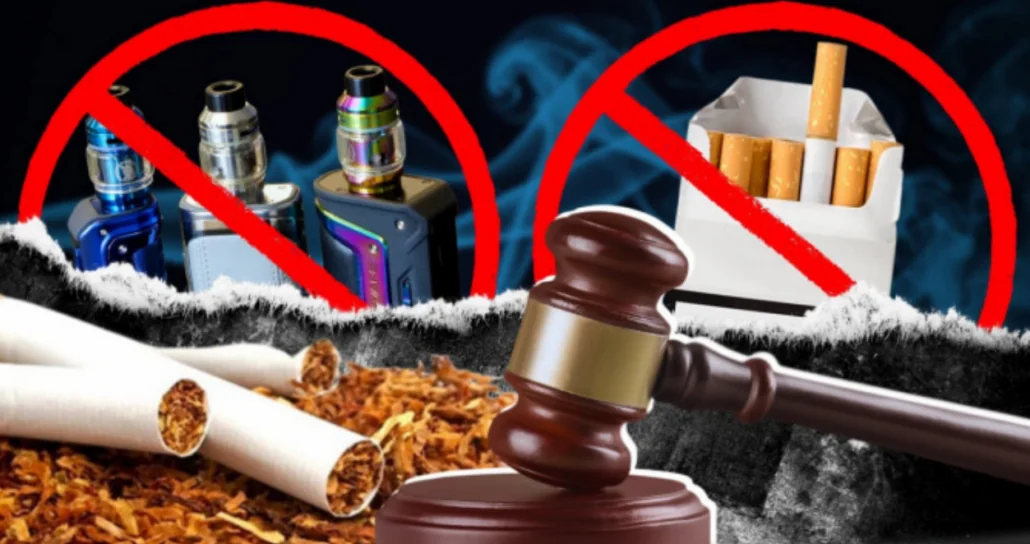
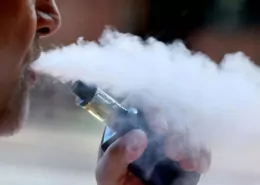
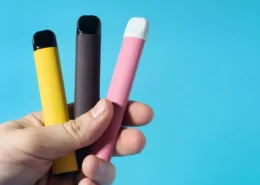
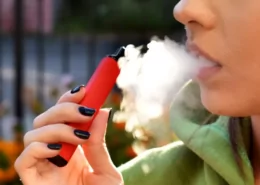
Personal possession and use of nicotine vapes, pouches, and heated tobacco products are now criminal offenses in Bangladesh, punishable by fines and up to six months in jail. This total prohibition, enacted by the interim government, also bans sales, production, importation, and advertising, marking a severe escalation in the country’s tobacco control policy.
Key Takeaways:
- Jail Time: Personal use can lead to 6 months imprisonment.
- Total Ban: Covers vapes, nicotine pouches, and heated tobacco.
- Combustible Tobacco: Traditional cigarettes and bidis remain legal.
- Criticism: Experts warn of a “drug war” approach and illicit markets.
The interim government of Bangladesh has confirmed a total prohibition on safer nicotine alternatives, including vapes and pouches. This development occurs amidst a backdrop of political transition and high tobacco-related mortality, directly resulting in draconian penalties that include potential jail time for individual users.
From Regulation to “Drug War”: The New Ordinance
In a move that escalates tobacco control to levels reminiscent of a “drug war,” Bangladesh has issued the *Smoking and Tobacco Products Use Control (Amendment) Ordinance*. While the country had already restricted imports and sales in early 2025, this new measure closes all regulatory gaps by explicitly targeting personal possession and use.
The ordinance reclassifies these harm reduction products as “tobacco products” and imposes a blanket ban on:
- Production and Importation
- Sales and Distribution
- Advertising and Promotion
- Personal Possession and Use
Violators now face fines and imprisonment of up to six months. This harsh stance contrasts sharply with the continued legal availability of combustible tobacco products, such as cigarettes and hand-rolled bidis, which are responsible for over 130,000 deaths annually in the country.
Harm Reduction Advocates Warn of Consequences
The prohibition has drawn sharp criticism from international drug policy and harm reduction experts. Ethan Nadelmann, founder of the Drug Policy Alliance, described the move as “crazy,” warning it will likely spawn a “dynamic illicit market” and lead to corruption and unjust incarcerations. “One would think that any government committed to public health would do everything in its power to encourage smokers… to switch to far less dangerous products,” Nadelmann stated.
Nancy Loucas of the Coalition of Asia Pacific Tobacco Harm Reduction Advocates (CAPHRA) highlighted the missed opportunity to replace deadly traditional oral tobacco products common in South Asia with safer modern nicotine pouches. She criticized the influence of foreign-funded NGOs, such as those backed by Michael Bloomberg, which have supported the ban. Organizations like Vital Strategies and the Campaign for Tobacco-Free Kids have praised the ordinance as a life-saving measure for youth, despite the potential impact on adult smokers seeking alternatives.
A Regional Trend of Prohibition
Bangladesh joins a growing list of Asian nations adopting strict prohibitionist stances on safer nicotine products. India, Thailand, Vietnam, and Singapore have all implemented bans with varying degrees of harsh penalties. However, the criminalization of personal use in Bangladesh represents a particularly severe escalation, raising concerns about human rights and the effectiveness of such punitive public health strategies.
- Read more: Bangladesh Vape Ban Proposal Faces ‘Foreign Influence’ Claims
- News reference: Up to Six Months in Jail for Vape Use in Bangladesh

- EAEU Regulations Threaten to Overturn Kazakhstan’s Vape Ban - October 23, 2026
- North Yorkshire Steps Up Vape Crackdown & Theme Park Bans - October 23, 2026
- UK Vaping Ban on Buses: Fines Up to £1,000 on Transport - October 23, 2026