
British Columbia’s Bill 24 to Sue Vape Industry Sparks Debate
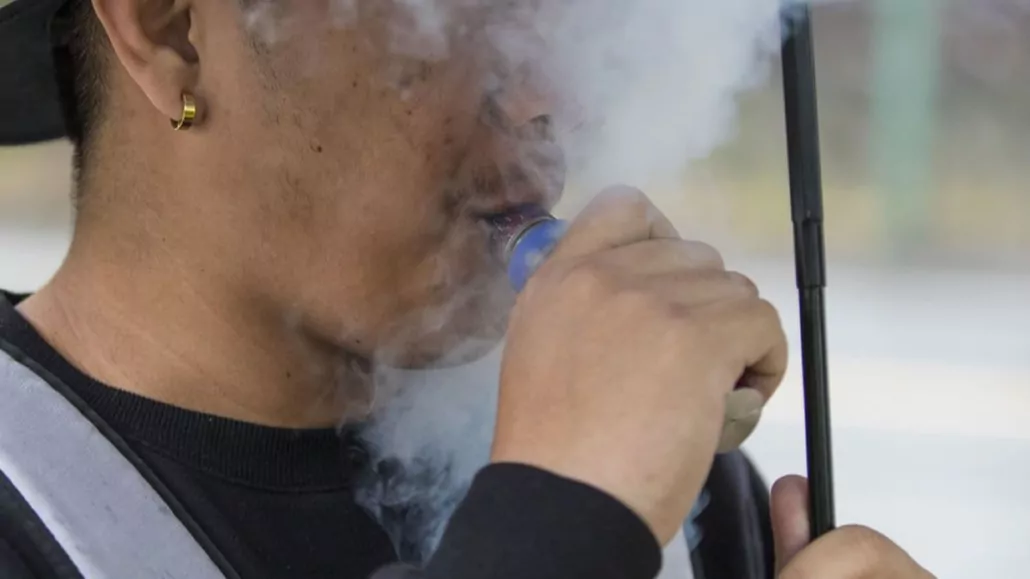
The government of British Columbia has introduced new legislation, Bill 24, which would empower it to impose fines and pursue legal action against vendors and manufacturers of vaping products to recover healthcare costs associated with vaping-related damages. The bill, introduced by Attorney General Niki Sharma, has ignited a fierce debate between public health advocates and critics who argue it misrepresents the role of vaping in harm reduction and could inadvertently bolster the illicit market.
Supporters of the legislation express concern about nicotine dependence among youth and the need to protect children, while allowing adults to make informed choices. However, opponents and harm reduction advocates argue that Bill 24 fails to distinguish between the significantly lower risks of vaping compared to smoking. They point to research from institutions like Public Health England, which indicates e-cigarettes contain at most five percent of the harmful toxins found in traditional cigarettes – a fact they say remains largely unknown to the public.
Critics also contend that the bill may be ineffective in practice, as a large portion of the market, particularly for disposable vapes, is already supplied by illegal, unregulated imports from China, often mislabeled. They argue that instead of creating a more challenging environment for legal producers who adhere to regulations, the government should focus on supporting them to combat the prevalent underground market, which is reportedly linked to gang activity in some communities.
Professor Ian Irvine from Concordia University, an expert on alcohol and tobacco policies, suggests that effective strategies should prioritize harm reduction and consumer education over punitive measures. He points to Sweden’s success in achieving a low smoking rate (5%) alongside a high rate of snus use (20%), a smokeless tobacco product, as an example of a successful lower-risk alternative strategy. Critics fear Bill 24 will fail to achieve its public health goals, enrich legal firms, and strengthen illegal trade, rather than providing a balanced approach to regulation.

- Indonesia: Denpasar Updates Smoke-Free Bylaw to Tighten Vape Rules - October 20, 2026
- Teen Girls Surpass Boys in Vaping Rates, Reversing Historic Trends - October 20, 2026
- Alabama: Irondale Proposes Public Vaping Ban with Fines Reaching $200 - October 20, 2026
Related posts:
 Kentucky: Bowling Green Approves New Vape Shop Regulations
 Pakistan Mirpur District Bans Vapes, Hookah Pens, and Tar Ice
 IVG 2400 Disposable Vape Review: A UK First with 8mL Capacity
 Heath, Ohio to Regulate Flavored Tobacco and Vape Sales Starting January 2025
 True Story 20K 20000 Puffs Disposable Vape Review

