
Nicotine Pouches as Quit-Smoking Tool: A Cochrane Review
In the ongoing search for effective, evidence-based ways to help people quit smoking, public health researchers are turning their attention to a rapidly growing category of tobacco-free products: oral nicotine pouches. In the first Cochrane review on the topic, an initial analysis of available studies suggests that switching from combustible cigarettes to oral nicotine pouches reduces a user’s exposure to harmful substances, though the evidence is not yet clear on whether these products effectively help people quit smoking or vaping.
The review, led by senior author Jamie Hartmann-Boyce, an assistant professor at the University of Massachusetts Amherst School of Public Health and Health Sciences, provides a foundational platform for future research. “Other nicotine products, like patches, gums, and nicotine vapes, are definitely beneficial for helping people quit smoking,” says Hartmann-Boyce, a leader in tobacco health policy. “We knew that we weren’t going to have that many studies of pouches in this review when we published the first time, but we also know there are loads in the pipeline, and we hope to regularly update this as those new studies come out.”
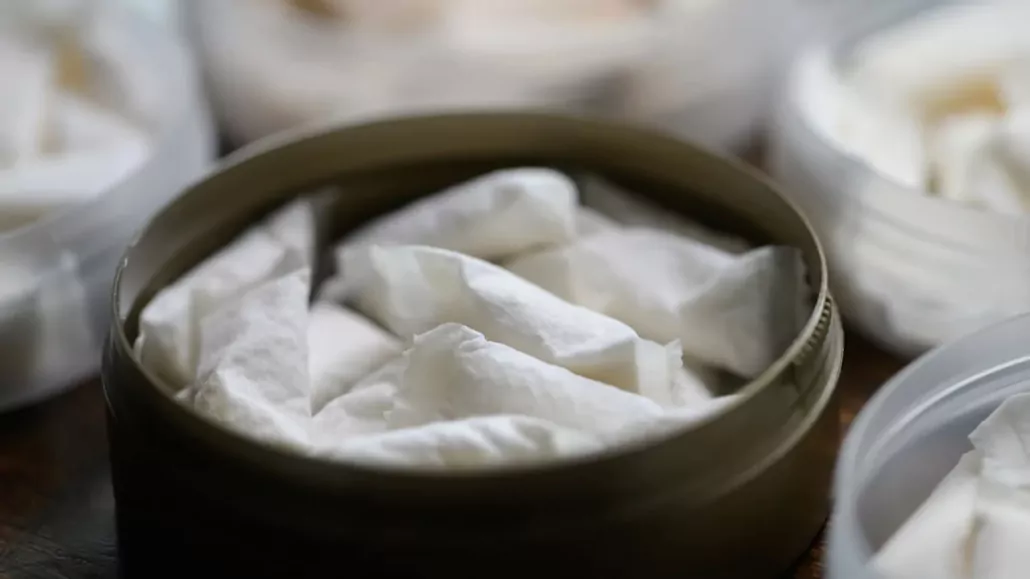
Oral nicotine pouches are small, tea bag-like sachets containing nicotine powder and flavorings, but no tobacco leaf. They are placed between the gum and lip, allowing nicotine to be absorbed through the mouth’s lining. This smokeless and inhalation-free delivery method is marketed as an alternative to traditional tobacco products. While not FDA-approved as smoking cessation aids like nicotine gum or patches, the FDA did authorize the marketing of 20 Zyn nicotine pouch products earlier this year, concluding they offered “greater benefits to population health than risks.” Hartmann-Boyce notes this was a significant decision, as “an inherent argument behind the decision for these new products to enter the market is that they have the potential to move people away from smoking.”
From an academic perspective, Hartmann-Boyce highlights an interesting parallel: “For a long time, we have been promoting nicotine replacement therapies, like patches and gums… The World Health Organization lists them as an essential medicine… it’s currently difficult to come up with a compelling, detailed description of why we think the risks of oral nicotine pouches—if well-regulated—would be meaningfully different than nicotine replacement therapy to an individual user.”
She distinguishes nicotine pouches from snus, a traditional Swedish oral product containing ground tobacco leaves, which carries risks of mouth, throat, and tongue cancer. In contrast, tobacco-leaf-free nicotine pouches avoid these specific risks, placing them on a harm reduction continuum. “There’s certainly a harm-reduction element in thinking about non-combusted tobacco and nicotine products,” she says, noting the lower smoking-related disease rates in countries like Sweden where snus is prevalent.
However, Hartmann-Boyce emphasizes that for people who don’t use any nicotine products, it’s best not to start, as nicotine is highly addictive and the risks of new products are not yet fully understood. “But it is rational, if you are someone who is addicted to smoking, to switch to using an alternative nicotine product if you can’t quit completely,” she concludes. The Cochrane review sets the stage for more definitive research on whether these popular new products can be a valuable tool in the global effort to end combustible smoking.

- Indonesia: Denpasar Updates Smoke-Free Bylaw to Tighten Vape Rules - October 20, 2026
- Teen Girls Surpass Boys in Vaping Rates, Reversing Historic Trends - October 20, 2026
- Alabama: Irondale Proposes Public Vaping Ban with Fines Reaching $200 - October 20, 2026
Related posts:
 California Cannabis Industry Adapts to New Vape Law
 The Overlooked Environmental Impact of Disposable Vaping
 Mr Fog SW15000 Disposable Vape Review
 Texas Lawmakers Consider Banning Smoking in Cars with Children
 Tax Disparity Between Liquid and Solid E-Cigarettes in South Korea Sparks Equity Concerns
 Bangladesh Vape Ban Proposal Faces ‘Foreign Influence’ Claims

