Vape Use Among Brazilian Teens Surges to 30% Despite Ban

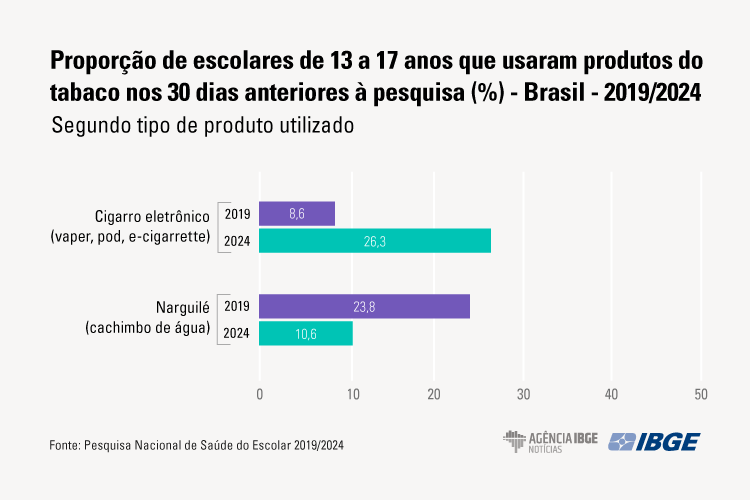
The Brazilian Institute of Geography and Statistics (IBGE) has revealed that 29.6% of students aged 13 to 17 have experimented with electronic cigarettes. This sharp increase, recorded in the 2024 National School Health Survey (PeNSE), occurs despite a federal ban on vapes, directly exposing a growing public health crisis driven by illegal supply chains.
The jump of more than 10 percentage points in just five years highlights the difficulty of enforcing current regulations. Although the National Health Surveillance Agency (Anvisa) banned the sale, import, and advertising of e-cigarettes in 2009, youth access remains highly unfettered.
| Metric (Ages 13-17) | 2019 PeNSE Survey | 2024 PeNSE Survey | Net Change |
|---|---|---|---|
| Vape Experimentation Rate | 16.8% | 29.6% | +12.8% |
| Anvisa Regulation Status | Banned | Banned | Unchanged |
University of São Paulo (USP) experts point out that these devices are deliberately engineered to attract minors. Bright colors, sweet flavors, and interactive game screens mask the presence of highly addictive nicotine salts and heavy metals like copper and nickel.
Jaqueline Scholz, director of the Tobacco Treatment Program at USP’s Heart Institute, warned that nicotine salts cause addiction much faster than traditional cigarettes. Because the human brain continues developing until age 24, early exposure significantly elevates the risk of anxiety and depression.
“Nicotine targets the central nervous system to release dopamine, creating a fleeting sensation of pleasure,” explained USP researcher Henrique Bombana. This cycle rapidly cements both chemical and behavioral dependence.
This domestic surge aligns with global regulatory shifts. For instance, the United Kingdom—which once promoted vaping as a smoking cessation tool—passed a historic law in 2026 banning lifetime cigarette sales to anyone born after 2009 and heavily restricting youth vape access near schools and hospitals.
For parents, experts recommend watching for sudden behavioral changes, sweet-smelling environments, or unusual objects resembling USB drives. Treatment for youth nicotine addiction is available through Brazil’s Unified Health System (SUS), which offers psychological support and behavioral therapy.

- Indonesia: Denpasar Updates Smoke-Free Bylaw to Tighten Vape Rules - October 20, 2026
- Teen Girls Surpass Boys in Vaping Rates, Reversing Historic Trends - October 20, 2026
- Alabama: Irondale Proposes Public Vaping Ban with Fines Reaching $200 - October 20, 2026