Brazil 2026 Vape Ban: New Federal Laws & Youth Protection Rules
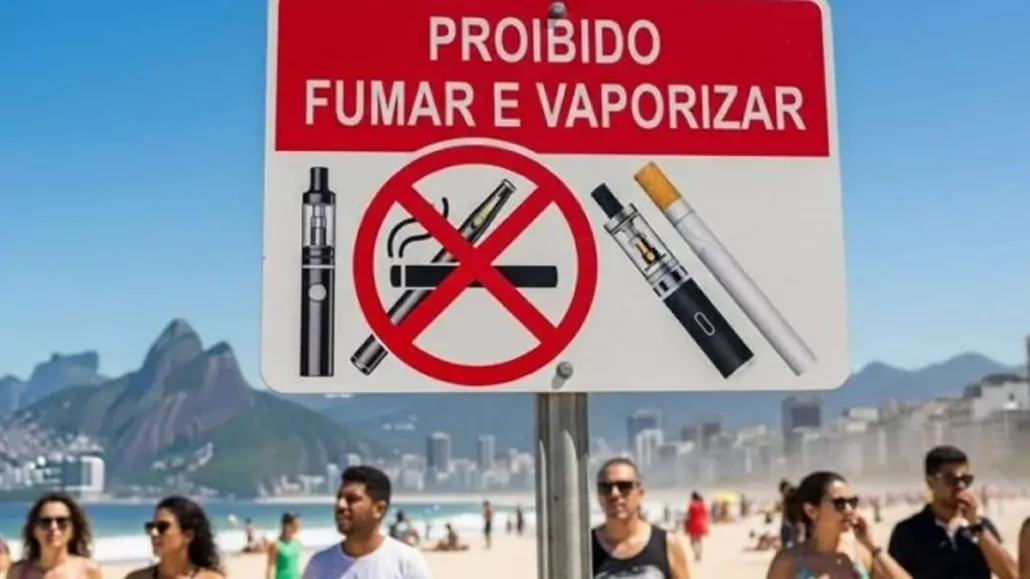
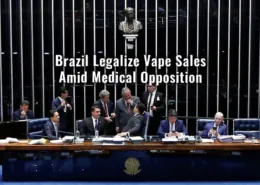
Brazil initiated a nationwide crackdown on nicotine products this January, shifting from administrative warnings to a rigorous federal mandate. By elevating the previous Anvisa RDC 855 resolution to Federal Law, the government closed legal loopholes and introduced some of the strictest commercial zoning laws in Latin America.
Key Takeaways:
- Federal Mandate: The new law updates Law No. 9.294/1996, now incorporate the prohibitions of RDC 855, ending the era of court injunctions for vape sales.
- The 500-Meter Rule: It is now illegal to sell any tobacco or nicotine products within a 500-meter radius of any educational institution.
- Flavor Prohibition: Legislation specifically bans sweet, fruity, and menthol-aromatic additives, targeting the “flavor trap” that draws in youth.
- Escalated Penalties: Fines have surged to a maximum of R$ 1.5 million, with mandatory license revocation for repeat offenders.
Closing the Injunction Loophole
Our analysis of the January 2026 decree reveals a critical shift in the burden of proof. For years, major retailers utilized “judicial injunctions” to stall ANVISA raids. However, the new federal status grants the Federal Police immediate seizure authority. This change effectively kills the gray market for electronic smoking devices (DEFs) by treating unapproved imports as national contraband rather than mere regulatory infractions.
The 500-Meter “Commercial Dead Zone”
The most aggressive component of the law—the 500-meter school buffer zone—is fundamentally reshaping urban commerce. In densely populated cities like São Paulo and Rio de Janeiro, this radius creates massive overlaps between public and private schools. Our tracking indicates that this rule disqualifies a significant portion of urban commercial real estate from selling nicotine products.
| Violation Category | Immediate Action | Max Fine (2026) |
| Sales within 500m of School | Permanent License Revocation | R$ 500,000 |
| Stocking Prohibited Flavors | Inventory Seizure & Destruction | R$ 150,000 |
| Wholesale Distribution | Federal Criminal Prosecution | R$ 1,500,000 |
Practical Impact and Compliance
The new rules require immediate adaptation from retailers. Establishments found operating within prohibited school zones face the definitive cancellation of their business licenses. Enforcement is supported by active monitoring via Dial 100 and municipal sanitary surveillance.

- Indonesia: Denpasar Updates Smoke-Free Bylaw to Tighten Vape Rules - October 20, 2026
- Teen Girls Surpass Boys in Vaping Rates, Reversing Historic Trends - October 20, 2026
- Alabama: Irondale Proposes Public Vaping Ban with Fines Reaching $200 - October 20, 2026