
COP11 Exposes Deep Divisions in WHO’s Anti-Nicotine Strategy
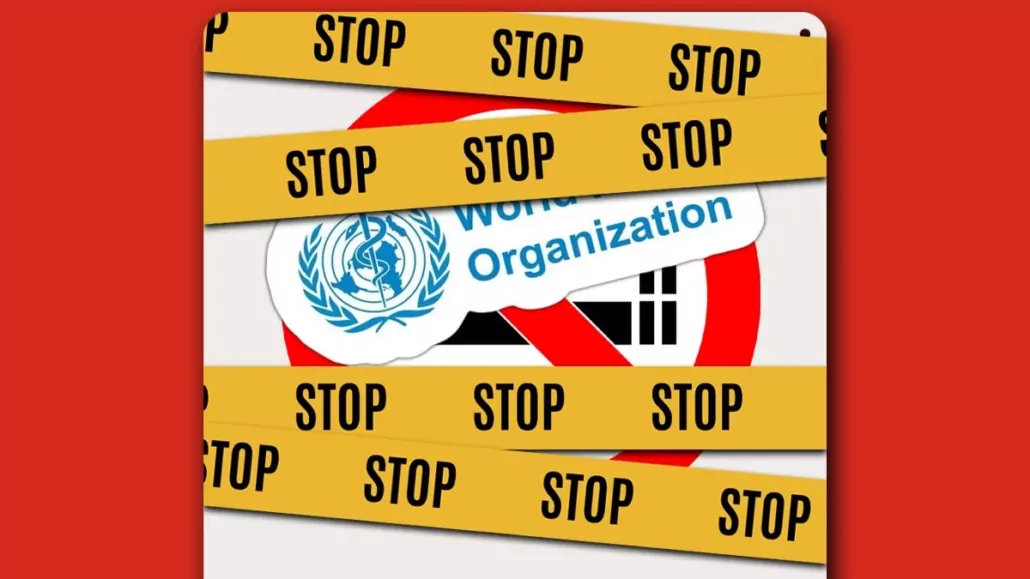
The World Health Organization’s (WHO) recent COP11 global tobacco control conference in Geneva concluded not with a unified front, but by revealing significant fissures in the organization’s long-standing prohibitionist strategy. Originally intended to galvanize the global fight against smoking, the event instead highlighted a growing resistance among member states to what many now perceive as institutional overreach and ideological rigidity regarding nicotine regulation.
Throughout the conference, the WHO and aligned NGOs aggressively promoted a suite of strict measures, including bans on vape flavors, stringent nicotine limits, and sweeping restrictions on newer products like nicotine pouches. However, this top-down approach faced intensifying pushback from a bloc of nations increasingly frustrated with mandates that seemingly ignore emerging scientific consensus on harm reduction. Critics argue the WHO’s stance privileges dogma over evidence, disregarding findings from reputable bodies like the Royal College of Physicians and Cochrane Reviews, which acknowledge vaping as substantially less harmful than smoking and an effective cessation tool.
The Harm Reduction Divide: Ideology vs. Evidence
The conference underscored a stark global divide. Countries such as New Zealand, the UK, and Sweden have successfully employed harm reduction strategies—encouraging smokers to switch to less harmful alternatives like vapes or snus—to achieve some of the world’s fastest declines in smoking rates. Yet, rather than being hailed as a model, New Zealand was publicly criticized and labeled with a “dirty ashtray” award during the event, a move that observers say exposed a deep-seated institutional hostility towards harm reduction within the WHO’s culture.
Conversely, influential states like Brazil, India, and Denmark remained committed to the traditional, restrictive models advocated by the WHO leadership. This polarization made maintaining the appearance of consensus increasingly difficult as the week progressed.
Real-world data continues to challenge the prohibitionist narrative. Sweden is on the brink of becoming “smoke-free” due to smokeless alternatives. Greece, having made harm reduction a pillar of its national strategy, saw smoking prevalence drop from 42% to 36% between 2021 and 2024. Similarly, Czechia achieved a 23% decline in smoking over the same period after embedding harm reduction principles into its addiction strategy. These successes stand in sharp contrast to the WHO’s continued push for bans.

ECIGATOR
Ecigator is one of the well-known vape brands spun off from KangSiDe Technology Co., Ltd, it’s an ISO-certified disposable vape manufacturer for OEMs, ODMs, and OBM since 2010. The founder team comes from top firms with more than 10 years of experience in the vaping industry and has devoted thousands of hours to providing users with a better and better experience.
A Shift Towards Voluntary Guidelines
As resistance mounted from countries including Albania, North Macedonia, Serbia, The Gambia, Mozambique, and Saint Kitts and Nevis, the WHO was forced to pivot. To prevent an open fracture and preserve diplomatic balance, mandatory measures were quietly replaced with voluntary, non-binding guidelines. This shift from “forward-leaning” mandates to non-binding recommendations signals that the hardline approach is losing institutional momentum.
The absence of the United States, which is not a party to the Framework Convention on Tobacco Control (FCTC), was also felt, adding to the broader skepticism about the organization’s ability to respect diverse national and cultural approaches to public health. Critics describe the WHO’s framework as increasingly “draconian and detached,” disconnected from the empirical reality of what actually works in reducing smoking rates.
Opening the Echo Chamber
COP11 was initially structured to limit the participation of consumer groups and independent public health experts supportive of harm reduction. However, pressure from dissenting governments and civil society forced a degree of transparency, puncturing the organizational echo chamber. The conference’s outcome suggests that if the WHO continues to disregard mounting scientific evidence and the sovereign rights of member states to determine their own public health paths, it risks sidelining itself in the very policy debates it aims to lead. The cracks in the anti-nicotine consensus are widening, pointing towards a future where harm reduction and consumer choice may play a more central role in global tobacco control.

- Indonesia: Denpasar Updates Smoke-Free Bylaw to Tighten Vape Rules - October 20, 2026
- Teen Girls Surpass Boys in Vaping Rates, Reversing Historic Trends - October 20, 2026
- Alabama: Irondale Proposes Public Vaping Ban with Fines Reaching $200 - October 20, 2026
Related posts:
 Kentucky Upholds Law Restricts Vaping Product Sales, Lawsuit Dismissed
 UK Crackdown on Illegal Vapes: QR Codes and £10k Fines
 Taiwan’s Tobacco Control Law Targets Minors: A Month In, Nearly 90% of Violations Involve Minors
 Massachusetts Flavored Tobacco Ban Leads to Jail Time
 Brazil Senate Debates Electronic Cigarette Regulation
 What the Benefits When You Quit Smoking & Start Vaping

