 Vaping News
Indian Health Ministry Reaffirms Strict National Ban on Vaping
The Indian Union Ministry of Health has issued a formal warning to enforce the Prohibition of Electronic Cigarettes Act (PECA), 2019. This legislation makes…

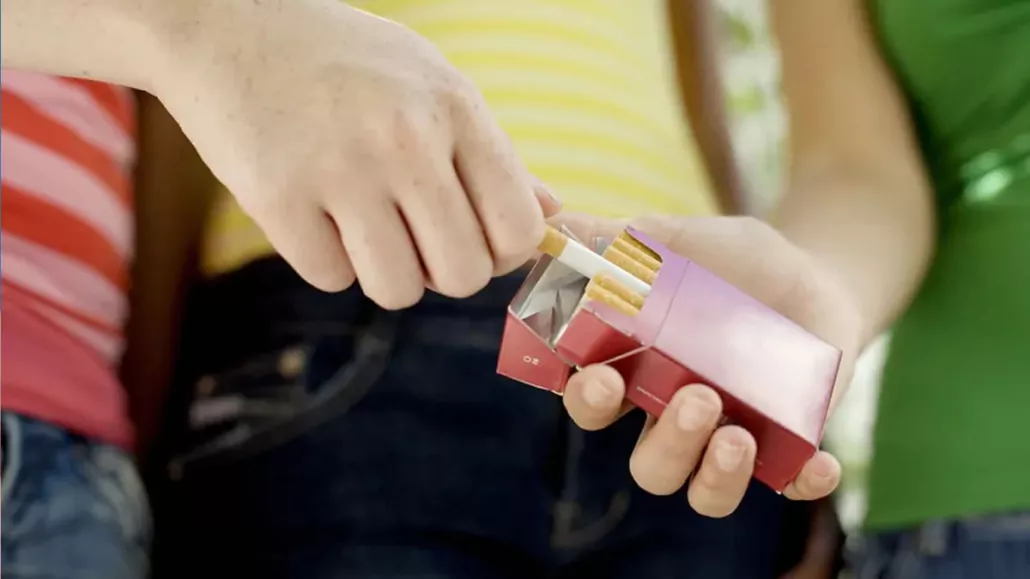
California’s Assembly Bill 455, effective January 1, 2025, requires home sellers to disclose known thirdhand smoke hazards to buyers. This pioneering law aims to protect residents from toxic residues left by smoking and vaping on indoor surfaces, which can persist for years and pose serious health risks.
Key Takeaways:
Thirdhand smoke refers to the toxic chemical residue from cigarette smoking and vaping that accumulates on indoor surfaces such as walls, carpets, and furniture. California has set a global precedent by becoming the first state to require the disclosure of this invisible hazard in single-family home sales.
Signed by Governor Newsom after unanimous legislative support, Assembly Bill 455 mandates that sellers inform potential buyers of any known thirdhand smoke contamination. This legislation was driven by decades of research from San Diego State University (SDSU), which highlighted the persistence and danger of these residues.
Dr. Georg Matt of SDSU explained that chemicals like nicotine, lead, and cadmium can become deeply embedded in a building’s infrastructure. “If people smoke indoors for years… It stays literally for the rest of the life of the building,” he warned.
The law addresses significant health risks, including cancer and respiratory illnesses, which disproportionately affect children and the elderly due to their proximity to contaminated surfaces. While currently limited to single-family homes, experts like Dr. Lydia Greiner hope this “paper trail” of documentation will eventually extend to all housing types and inspire similar legislation in other states.

Marcus Sterling is a distinguished authority in the global vaping sector, with over 12 years of experience documenting the industry's evolution from a niche hobby to a mainstream lifestyle.
View all articles by Marcus Sterling →Vaping News
The Indian Union Ministry of Health has issued a formal warning to enforce the Prohibition of Electronic Cigarettes Act (PECA), 2019. This legislation makes…
 Vaping News
Vologda Oblast deputies approved a total retail ban on electronic nicotine delivery systems, e-liquids, and device components starting March 1, 2027. The legislation also…
 Vaping News
New Zealand’s strict vaping regulations failed to reduce adult daily vaping rates, which remained flat at 11.2% in 2025/26. Roughly 490,000 New Zealanders still…
Tell us your target market and requirements — our team will recommend compliant configurations and send a quotation within 24 hours.