
CAPHRA Warns Southeast Asia: Avoid Australia’s Failed Vape Policies
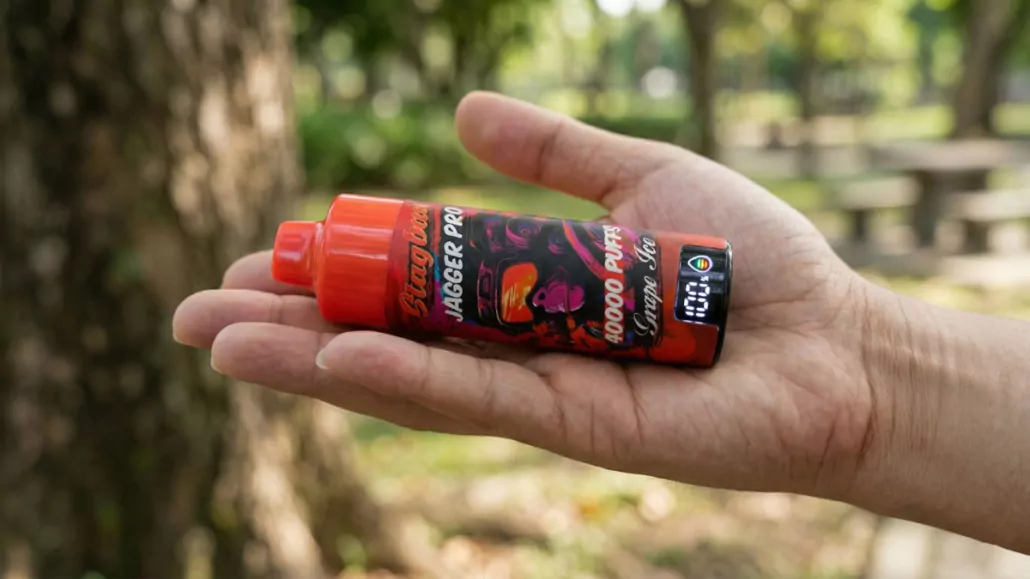
The Coalition of Asia Pacific Tobacco Harm Reduction Advocates (CAPHRA) has issued a stark warning to Indonesia, Malaysia, and the Philippines, urging them not to replicate Australia’s restrictive nicotine policies. This warning comes as Southeast Asian nations weigh tougher anti-vaping crackdowns, which advocates argue could inadvertently drive consumers toward thriving black markets while leaving combustible cigarettes widely available.
CAPHRA Executive Coordinator Nancy Loucas emphasized that Australia’s approach has proven counterproductive. “When safer legal options are pushed out, illicit markets move in,” Loucas stated, urging Southeast Asian policymakers to view Australia as a warning rather than a model.
While acknowledging regional challenges like youth uptake and unregulated products, CAPHRA argues these issues require robust enforcement and tighter youth-access controls, not outright bans. Treating all smoke-free products with the same severity as cigarettes ignores the science of tobacco harm reduction.
Clarisse Virgino of CAPHRA Philippines warned that excluding adult consumers from policy debates risks backfiring. If governments over-correct with bans, they protect the cigarette market from competition and empower illicit cartels.
Instead of importing failed prohibitionist models, CAPHRA advocates for a balanced regulatory framework. They suggest Southeast Asian governments focus on:
- Strict age-verification and youth-access controls.
- Rigorous product quality and safety standards.
- Preserving legal, regulated access to lower-risk alternatives for adult smokers trying to quit.
Ultimately, CAPHRA notes that even former World Health Organization (WHO) figures support tobacco harm reduction as a viable public health strategy. “A bad nicotine policy does not end demand,” Loucas warned. “It just hands that demand to illegal markets.”

- Guyana Bans Recreational Vaping Products - October 19, 2026
- PHILTHRA Urges Risk-Based Vape Taxes as Research Shows 90% Toxin Drop - October 19, 2026
- Eight EU Nations Demand Total Vape Flavor Ban and Market Freeze in TPD Overhaul - October 19, 2026
Related posts:
 Light Smoking Risks: 2-5 Cigarettes Double Death Risk
 Greece at a Crossroads: Will a Vape Flavour Ban Derail Smoking Cessation Progress?
 European Union Vape Taxation: A Diverse Landscape Across Member States
 TPD3 Explained: EU’s New Tobacco & Vape Rules (2025 Update)
 CAPHRA Urges Malaysia: Reject Vape Bans, Use Regulation
 Dallas Bans Vaping in Public Spaces on Dec.11, with $500 Fine

