
Chinese Vape Brands Relocate Assembly to the United States to Evade Federal Import Bans
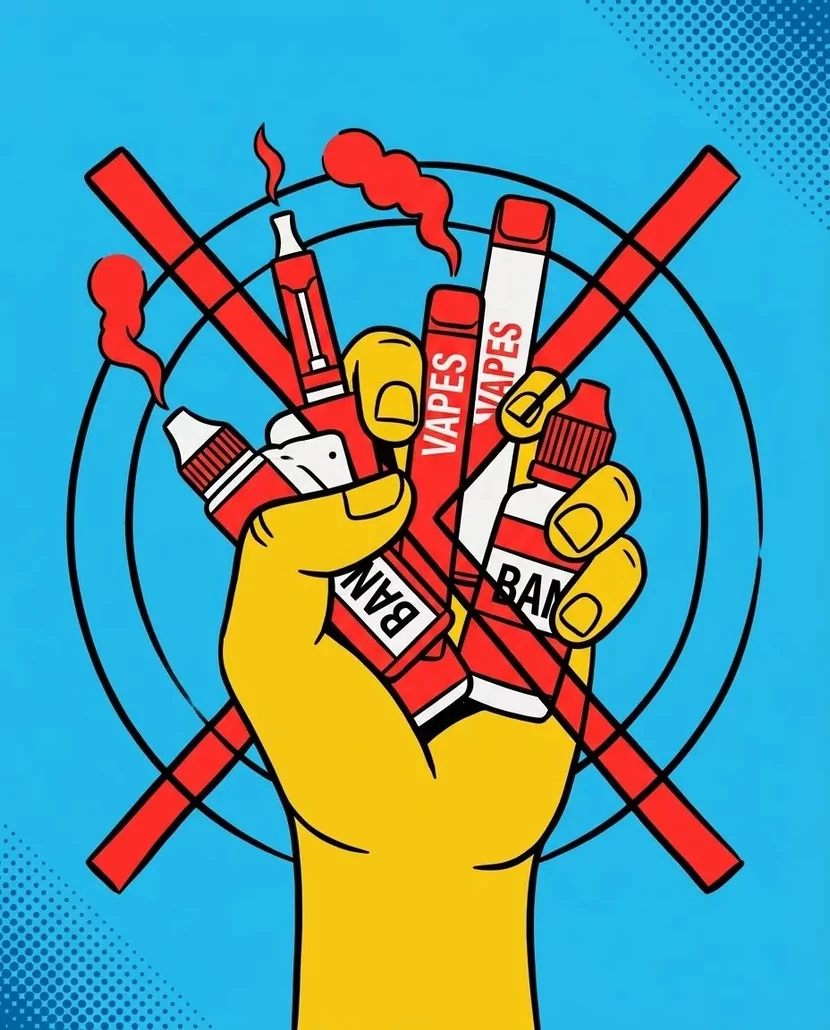
Chinese disposable vape manufacturers are establishing domestic assembly and packaging facilities inside the United States to circumvent Food and Drug Administration (FDA) border seizures. Federal raids in California and Chicago reveal that unauthorized brands like Geek Bar and Foger shift production inland, exploiting local enforcement gaps and agency staffing reductions.
- Domestic Raids: Federal law enforcement seized 850,000 vapes in California and 4.7 million units valued at $86 million in Chicago.
- Market Dominance: Unauthorized disposable products account for approximately 70% of the $6 billion US vape market.
- Regulatory Bottleneck: The FDA received applications for 27 million flavored vape products by July 2024 but approved only about 48.
Federal law enforcement agents seized 850,000 unauthorized disposable vapes and packaging machinery during a raid on a California facility. The operation revealed that Chinese manufacturers now assemble and label products domestically to bypass Food and Drug Administration import restrictions.
Popular disposable brands such as Geek Bar, Foger, Elf Bar, Lost Mary, and Funky Republic lack marketing authorization from the FDA. Moving final assembly and branding operations to domestic sites allows manufacturers to distribute products labeled as “Made in the USA.”
Domestic Production Shifts Enforcement to Local Authorities
Relocating production facilities transfers the enforcement burden from customs officials at international borders to municipal and state police forces. Local police departments face limited resources and backlogs when investigating industrial warehouses.
A similar enforcement action in Chicago recovered 4.7 million vape units valued at over $86 million. Despite these high-profile seizures, unauthorized products continue to enter retail inventory across the country.
Market Value Outweighs Regulatory Penalties
Financial incentives drive the continuation of unauthorized domestic manufacturing. Retailers face maximum civil penalties of approximately $19,000 per violation, which represents a minimal cost of doing business in a national market valued at over $6 billion.
Federal regulatory agencies face staffing constraints that impede enforcement capacity. Agency cuts reduced the FDA workforce by more than 4,300 employees, creating operational backlogs across import inspections and penalty reviews.
Departmental priority shifts within the Department of Justice have redirected ATF resources away from alcohol and tobacco enforcement. This reallocation slows down investigations into illicit domestic supply chains, allowing unauthorized products to remain accessible to consumers.
Frequently Asked Questions
-
Why are Chinese vape brands assembling devices in the United States?
Manufacturers establish domestic assembly sites to bypass import detentions by US Customs and the FDA. Moving operations inland shifts regulatory oversight to local law enforcement agencies that lack resources to police industrial vape production.
-
What percentage of the US vape market consists of unauthorized devices?
Industry estimates indicate that unauthorized electronic nicotine delivery systems account for approximately 70% of total sales within the $6 billion American vape sector.

- Chinese Vape Brands Relocate Assembly to the United States to Evade Federal Import Bans - November 18, 2026
- Russia: Rostov Region Legislators Approve Total Retail Ban on Vaping Products - November 18, 2026
- Experts Call for Unified EU Strategy Against Illicit Nicotine Trade - November 18, 2026
Related posts:
 Russia: Rostov Region Legislators Approve Total Retail Ban on Vaping Products
 Arizona Attorney General Joins National Push to Ban Flavored Vapes
 Can You Sell Vapes on eBay? Policies & Alternatives
 Traveling with THC Vapes: Navigating the Complex Legal Landscape
 Full Spectrum Broad Spectrum Isolate CBD: Understanding the Difference
 NY: Westchester County Bans Vapes Disguised as School Supplies
