
Russia: Rostov Region Legislators Approve Total Retail Ban on Vaping Products
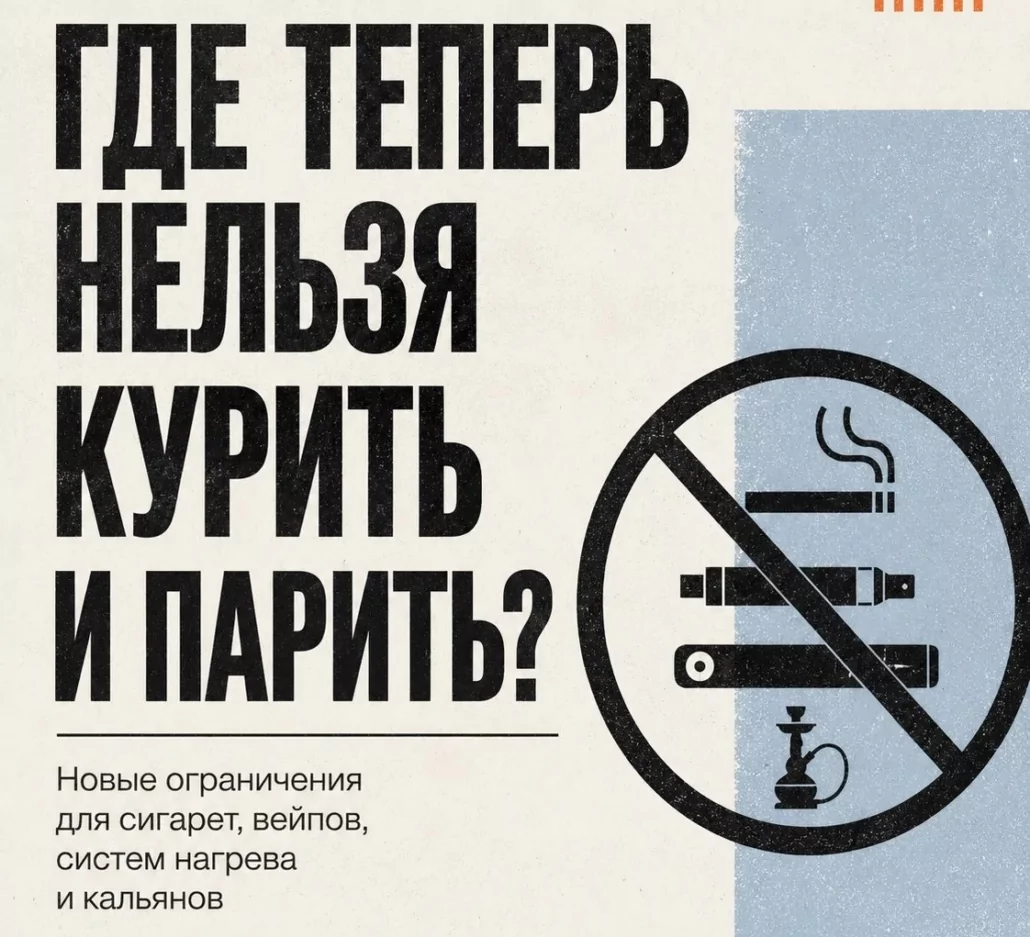
Legislative authorities in the Rostov region have voted to enact a total retail prohibition on electronic nicotine delivery systems and associated liquids. The ban will remain in effect for five years, starting March 1, 2027, and ending March 1, 2032, covering all retail transactions for both minors and adults.
- Policy Timeline: The total retail prohibition applies from March 1, 2027, to March 1, 2032.
- Regulatory Basis: The decision follows federal legislation enacted in June, which empowers Russian regions to implement local vape sales bans.
- Health Rationale: The move aims to curb the prevalence of EVALI and prevent nicotine-related cardiovascular damage among youth and adults.
The Rostov region will implement a total retail ban on electronic nicotine delivery systems and related liquids beginning March 1, 2027. Regional legislators approved the prohibition to protect public health, making the area part of a growing national trend targeting nicotine consumption.
The ban applies to all consumers, regardless of age. This policy shift follows federal legislation passed in June that granted Russian regions the legal authority to prohibit vape sales within their jurisdictions.
Yekaterina Stenyakina, a Deputy of the State Duma, confirmed that the Rostov region is building on its history of restrictive nicotine policies. The region previously banned vape sales to minors in 2018, positioning itself as an early mover in Russian tobacco control legislation.
Health Risks and Chemical Exposure
The decision to prohibit retail sales focuses on mitigating health risks associated with vaping. Medical experts have linked the use of electronic nicotine delivery systems to severe conditions, including EVALI (vape-associated lung injury), which presents with symptoms similar to pneumonia.
Research indicates that heating these liquids generates toxic substances, including formaldehyde, acrolein, and heavy metals. These chemicals can cause chemical burns to lung tissue and destroy alveoli.
Beyond respiratory harm, high nicotine concentrations contribute to cardiovascular strain. Users face risks of vascular spasms, hypertension, and chronic hypoxia, which increase the likelihood of early heart attacks and strokes.
National Regulatory Trends
The Rostov region is not alone in this legislative movement. Twenty Russian regions have already enacted total retail prohibitions on vaping products, while nearly forty other subjects of the country are currently advancing similar legislative measures.
The regional government intends to prioritize public health outcomes over commercial interests. The prohibition will be enforced for a five-year term, ending on March 1, 2032.
Frequently Asked Questions
-
When does the total retail ban in the Rostov region begin?
The retail ban on electronic nicotine delivery systems and liquids officially takes effect on March 1, 2027.
-
What health conditions are cited as reasons for the ban?
Legislators cited risks including EVALI (vape-associated lung injury), chemical burns to the lungs, cardiovascular strain, and exposure to toxic chemicals like formaldehyde and acrolein.

- Chinese Vape Brands Relocate Assembly to the United States to Evade Federal Import Bans - November 18, 2026
- Russia: Rostov Region Legislators Approve Total Retail Ban on Vaping Products - November 18, 2026
- Experts Call for Unified EU Strategy Against Illicit Nicotine Trade - November 18, 2026
Related posts:
 Experts Call for Unified EU Strategy Against Illicit Nicotine Trade
 Pennsylvania Passes PMTA Registry Bill Banning Unapproved Vape Products
 Nicotine Pouches Aid Smoking Cessation, UK Study Says
 Spain Proposes Outdoor Terrace Smoking Ban and Equal Regulation for E-Cigarettes
 Maldives Vape & Tobacco Ban: What Travelers Need to Know
 Russia Grants Municipalities Control Over Vape Sales Zones

