
Dutch Vape Flavor Ban Fuels Black Market and Doubles Youth Vaping
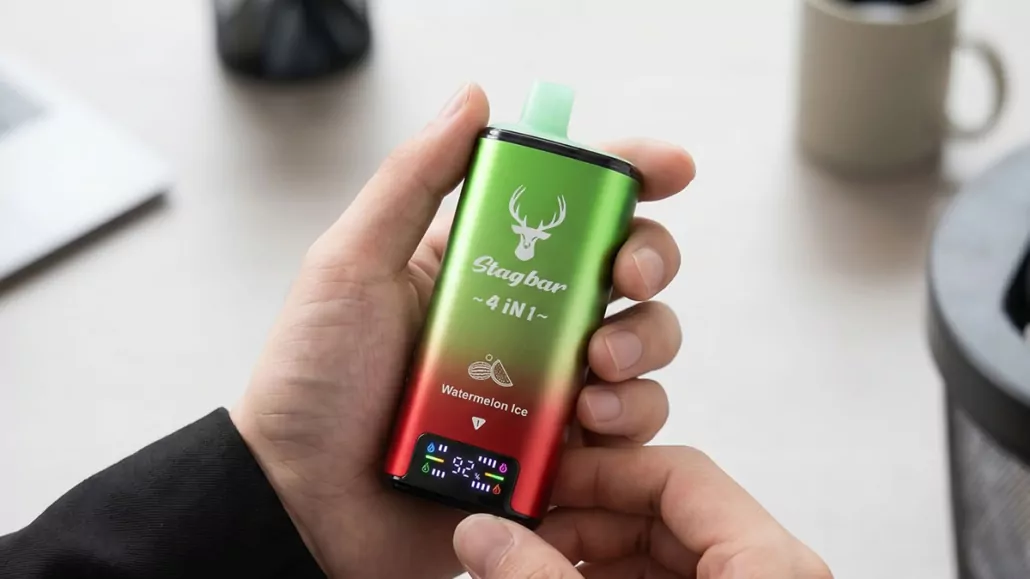
The advocacy group Prohibition Does Not Work (PDNW) has published a damning report concluding that the Netherlands’ 2024 ban on non-tobacco vape flavors has completely undermined market control. Implemented to prevent a perceived ‘youth gateway effect,’ the restrictive policy has instead fueled a massive illicit market and inadvertently pushed consumers back to combustible cigarettes.
Tim Andrews, Founder of PDNW, described the Dutch experience as a “textbook example of policy backfiring.” He noted that banning demand simply pushes consumers out of the regulated market and into dangerous illicit channels, which contradicts the core goals of public health policy.
The report highlights severe market distortions over the past two years, demonstrating the statistical failure of the prohibitionist approach:
| Metric | Pre-Ban (2023) | Post-Ban Impact |
|---|---|---|
| Youth Vaping Rate | 3.7% | 7.6% (2024) |
| Adult Vaping (Legal Market) | 3.86% | 2.3% (2026) |
| Cigarette Consumption | Baseline | +1% (~60 million extra cigarettes in 2024) |
As the legal adult vaping market shrank, consumers who continued to vape simply shifted their purchasing habits to the black market. According to the PDNW findings:
- 33% still find banned products in local shops, with 42% of inspected retailers found to be non-compliant.
- 31% utilize illicit online sellers.
- 27% purchase their products from abroad.
- 8 out of 10 consumers state it is still very easy to buy flavored vapes.
Michael Ellis, PDNW Principal Global Advisor and former Assistant Director at INTERPOL, warned that these findings reflect a well-established pattern. “When legal access is restricted but demand remains, illicit trade expands to fill the gap,” Ellis explained, citing risks of lower quality products, lost tax revenue, and the empowerment of organized crime.
The report’s release comes at a critical time for European regulations. Policymakers in Brussels recently evaluated the Tobacco Products Directive, citing the Dutch model as a positive example of a “precautionary” approach to vaping. PDNW strongly criticized this framing, urging MEPs to analyze real-world evidence rather than relying on what they deem biased reporting by the EU Commission.
“If you remove regulated options that adults actually use, you don’t get a cleaner market,” Andrews concluded. “You get a black market.”
- The report can be downloaded HERE.

- Indonesia: Denpasar Updates Smoke-Free Bylaw to Tighten Vape Rules - October 20, 2026
- Teen Girls Surpass Boys in Vaping Rates, Reversing Historic Trends - October 20, 2026
- Alabama: Irondale Proposes Public Vaping Ban with Fines Reaching $200 - October 20, 2026