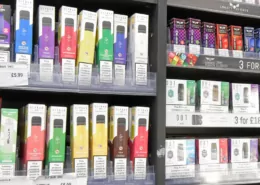
FDA 2025 NYTS Data: Youth Vaping Hits Decade Low as Experts Oppose Bans
The U.S. Food and Drug Administration (FDA) has released the raw data from the 2025 National Youth Tobacco Survey (NYTS), confirming a historic, consecutive three-year decline in youth tobacco and nicotine consumption. This positive trajectory has led global public health experts and advocacy groups, such as the Asian Coalition for Health Empowerment (ACHE), to declare that targeted, evidence-based regulation is far more effective at curbing youth usage than outright product bans.
According to the newly released dataset, overall tobacco use among middle and high school students fell to 7.5% in 2025, down from 8.1% in 2024. This marks the lowest level recorded since the survey transitioned to an annual format, and a stark contrast to the 23.3% peak recorded in 2019.
The decline spans multiple product categories, signaling a broad shift in youth behavior:
| Product Category | 2024 Prevalence | 2025 Prevalence | Trend Direction |
|---|---|---|---|
| Overall Tobacco Use | 8.1% | 7.5% | Declined |
| E-cigarettes (Vaping) | Higher than 2025 | 5.2% (~1.4M youth) | Declined (Decade Low) |
| Nicotine Pouches | 1.8% | 1.7% | Stable / Slight Decline |
| Other Oral Nicotine (Gums/Lozenges) | 1.2% | 0.6% | Sharp Decline |
| Cigarette Smoking | Stable (Low) | 1.4% | Unchanged |
Reacting to the data, Dr. Anjum Datta, an Advisory Board Member at ACHE, emphasized the need for balanced policy. “The steady decline in youth tobacco use highlights the importance of sustained, evidence-based public health strategies,” Datta stated. He warned that future policy responses must remain nuanced to avoid “inadvertently hindering harm reduction opportunities for adult users seeking safer alternatives.”
Dr. Dewesh Kumar of RIMS Ranchi echoed this sentiment, noting that the 2025 dataset proves well-calibrated regulatory frameworks work without resorting to extreme, prohibitive measures. Kumar called for global public health policies to align youth protection with adult cessation strategies.
Industry representatives also welcomed the data. Laura Leigh Oyler, Vice President of Regulatory Affairs at Nicokick.com, noted that the success of targeted interventions—like raising the legal purchase age—means regulators should redirect attention to older demographics.
While youth vaping has plummeted, smoking prevalence among adults aged 55 and older has declined only modestly, from 18.7% in 2016 to 16.7% in 2023. Oyler argued that this population has been historically underserved by cessation innovation and stands to gain the most from transitioning to safer nicotine alternatives.
- For more details, visit ACHE

- Indonesia: Denpasar Updates Smoke-Free Bylaw to Tighten Vape Rules - October 20, 2026
- Teen Girls Surpass Boys in Vaping Rates, Reversing Historic Trends - October 20, 2026
- Alabama: Irondale Proposes Public Vaping Ban with Fines Reaching $200 - October 20, 2026