
Azerbaijan’s Vape Ban Shifts Consumers to Heated Tobacco
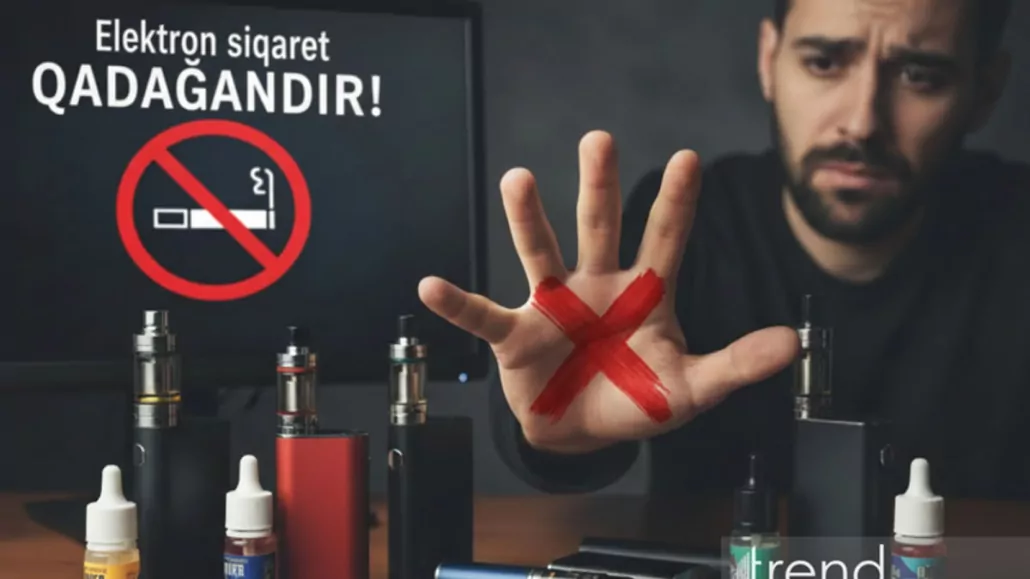
Six weeks after Azerbaijan implemented a total ban on electronic cigarettes and vapes, the domestic nicotine market has undergone a drastic transformation. The comprehensive prohibition, which took effect on April 1, 2026, has completely eliminated legal vape sales, forcing adult consumers to rapidly adapt and seek alternative, legally compliant products.
Prior to the ban’s enforcement, consumers aggressively cleared store shelves of remaining vape inventory. However, as stockpiles deplete, adult users are faced with a stark choice: quit nicotine entirely, revert to traditional combustible cigarettes, or transition to other available formats. Because underlying consumer demand has not disappeared, the market structure has simply shifted.
The most notable trend emerging from this regulatory overhaul is a significant surge in interest toward Heated Tobacco Products (HTPs). While often confused with vapes, HTPs operate on a fundamentally different mechanism and, crucially, remain legal under the new Azerbaijani laws.
| Product Category | Mechanism of Action | Current Legal Status in Azerbaijan |
|---|---|---|
| Traditional Cigarettes | Burns tobacco (Combustion) | Legal (Regulated) |
| Vapes / E-cigarettes | Vaporizes nicotine liquid | Illegal (Banned April 2025) |
| Heated Tobacco (HTPs) | Heats real tobacco to 300-350°C | Legal (Regulated) |
The distinction between combustion and heating is central to the concept of tobacco harm reduction. Traditional cigarettes burn tobacco, creating smoke packed with tar and toxic compounds responsible for most smoking-related diseases. In contrast, HTPs heat real tobacco to approximately 300-350°C, producing an aerosol rather than smoke.
According to research cited by the US FDA, heating tobacco rather than burning it significantly reduces the production of harmful and potentially harmful chemicals. While nicotine remains highly addictive, medical science increasingly separates the chemical dependency of nicotine from the severe physical harm caused by inhaling combustible smoke.
For many former vapers in Azerbaijan, returning to combustible cigarettes is highly unappealing. Rustam, a 32-year-old resident of Baku, represents a growing demographic of consumers seeking a middle ground.
“I didn’t want to go back to cigarettes,” Rustam explained. “After years of vaping, the smell, the ash, the constant smoke, and the complaints from family and friends—it’s very hard to get used to those inconveniences again.”
Instead, Rustam transitioned to a legal HTP. He notes that the absence of smoke, ash, and lingering odor provides a compromise that mimics his previous vaping habits while remaining within the bounds of the law.
Ultimately, the first month and a half of Azerbaijan’s vape ban demonstrates that regulatory prohibitions rarely eliminate consumer demand. Instead, strict regulations reshape the market. While some users may inevitably seek out black-market vapes or return to smoking, a substantial portion is migrating toward strictly regulated, legal, and smoke-free alternatives.

- Indonesia: Denpasar Updates Smoke-Free Bylaw to Tighten Vape Rules - October 20, 2026
- Teen Girls Surpass Boys in Vaping Rates, Reversing Historic Trends - October 20, 2026
- Alabama: Irondale Proposes Public Vaping Ban with Fines Reaching $200 - October 20, 2026
Related posts:
 Scottish Grocers’ Federation Releases Updated Guide on Vaping and Tobacco Regulations
 Kyrgyzstan Parliament Recalls Vape Ban Bill for Revision
 North Carolina Considers Raising Tobacco and Vape Purchase Age to 21
 Cyprus Considers Vape Ban to Tackle Teen Addiction Crisis
 South African Smokers and Vapers Face Steep Excise Duty Hikes in 2025 Budget
 Argentina: Neuquén Proposes Ban on Indoor Vaping

