
Reform UK Pledges to Repeal “Generational Smoking Ban”
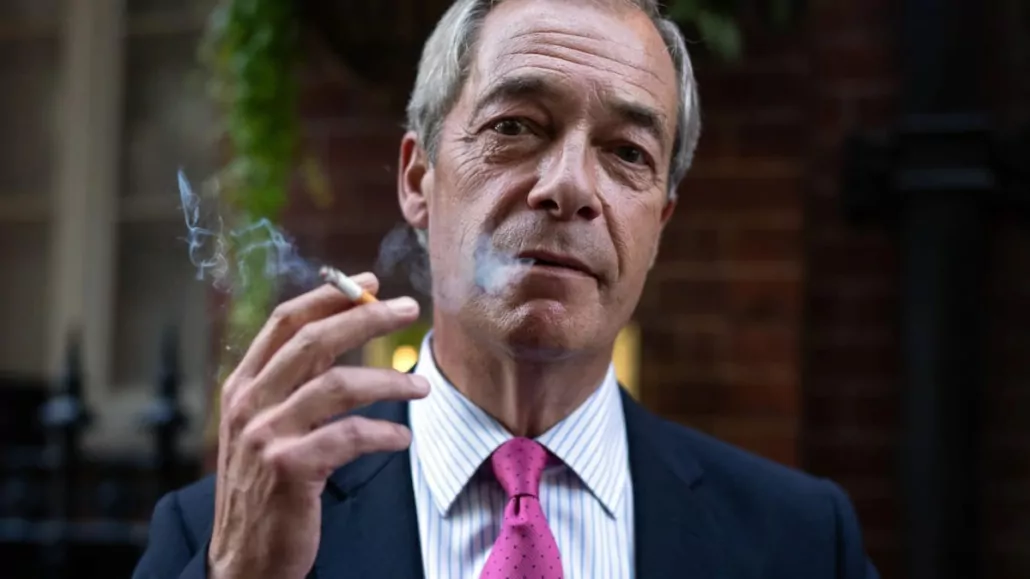
As the UK Parliament advances the controversial generational smoking ban, critics argue the legislation is a logistical nightmare that will inevitably fuel a violent black market similar to Australia’s illicit tobacco crisis.
The UK’s proposed “generational smoking ban,” originally drafted by former Prime Minister Rishi Sunak and adopted by Keir Starmer, faces fierce opposition. Critics, including Reform UK leadership, argue the law is fundamentally unworkable, placing an impossible enforcement burden on local shopkeepers. Furthermore, international precedents from New Zealand and Australia suggest the ban will trigger a massive expansion of the illicit tobacco trade, costing the government billions in lost tax revenue.
The Logistical Absurdity of the Generational Ban
The Tobacco and Vapes Bill currently nearing completion in Parliament contains a highly controversial provision: a rolling, generational prohibition on the sale of tobacco. Under this legislation, anyone born after 2008 will never legally be allowed to purchase cigarettes.
The practical application of this law presents a staggering logistical challenge. A decade from now, a 27-year-old will be legally barred from purchasing tobacco, while a 28-year-old will retain that right. A decade later, a 37-year-old will be denied, but a 38-year-old will be permitted.
The entire burden of enforcing this creeping prohibition falls squarely on local shopkeepers. Retailers, already struggling with an epidemic of high street shoplifting, will be forced to act as “health policemen.” Failure to accurately verify the age and birth year of adult customers will result in a £200 fine. Without the implementation of a highly controversial digital ID card system, verifying the exact birth year of middle-aged adults in the future is widely considered an impossible mandate.
The International Precedent: Black Markets and Repeals
The concept of a generational smoking ban is not without precedent, and the historical data is overwhelmingly negative.
New Zealand was the first country to attempt this legislation under former Prime Minister Jacinda Ardern. However, the policy was deemed so impractical that the subsequent government immediately repealed the ban upon taking office.
More alarming is the economic and criminal fallout observed in Australia, which currently enforces some of the strictest tobacco regulations and highest prices in the world (approximately £30 per packet). The result has been a catastrophic rise in organized crime. The Australian black market has triggered a “Chicago-style turf war,” resulting in over 250 fire-bombings of retail stores.
The Fiscal Cost of Prohibition
The economic impact of driving tobacco sales underground is already visible. The following table illustrates the severe decline in legal tobacco tax revenues as illicit markets expand.
| Country | Peak Tobacco Revenue | Recent Tobacco Revenue | Estimated Black Market Cost |
|---|---|---|---|
| United Kingdom | £10.4bn (2021) | £8.4bn (2023) | Growing illicit trade |
| Australia | £13.0bn (2019-2020) | £5.6bn (Expected 2024) | £2.5bn lost annually (20% of all sales) |
According to the Australian Criminal Intelligence Commission, the illegal tobacco market now accounts for approximately one in five tobacco sales. If the UK implements a generational ban, 37-year-olds legally barred from purchasing regulated tobacco will inevitably turn to this thriving, untaxed black market.
Verdict: A Philosophical Overreach
Beyond the economic and logistical failures, the generational smoking ban represents a deeper philosophical shift in British governance. Critics argue it is a symptom of a “bossy, ruling elite” whose default response to public health is outright prohibition rather than education and harm reduction. Polling by The Freedom Association indicates that a majority of the public views the ban as “unworkable” and mere “pious grandstanding.”
Political opposition is solidifying. Representatives from Reform UK have publicly promised that, should they form a future government, the generational smoking ban will be immediately repealed. They advocate for more civilized, effective methods to prevent youth vaping and smoking, rather than imposing perpetual, unmanageable bans on consenting adults.

- Indonesia: Denpasar Updates Smoke-Free Bylaw to Tighten Vape Rules - October 20, 2026
- Teen Girls Surpass Boys in Vaping Rates, Reversing Historic Trends - October 20, 2026
- Alabama: Irondale Proposes Public Vaping Ban with Fines Reaching $200 - October 20, 2026
Related posts:
 Massachusetts Cities Consider Generational Tobacco Bans
 UK Cracks Down on Illegal Vapes & Tobacco in High Street Raids
 Comprehensive Guide to Vaping Laws in Germany
 Indonesia Targets June 2025 for Setting Nicotine/Tar Limits, Plans Wider Controls
 Myanmar Bans E-Cigarettes Nationwide: Import, Sale & Use Prohibited
 Bangladesh Vape Traders Challenge Proposed 2025 Import Ban

