
UK’s Generational Smoking Ban: The 2009 Cutoff and Its Impact on Future Nicotine Retail
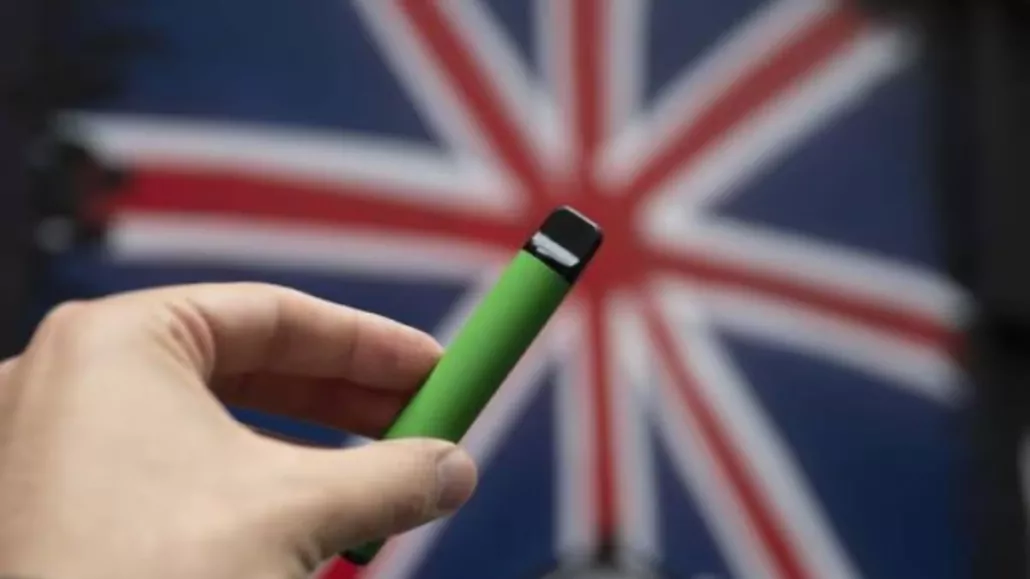
The UK’s Tobacco and Vapes Bill, expected to pass in March 2026, will permanently ban tobacco sales to anyone born on or after January 1, 2009. By raising the legal age annually from 2027, the legislation aims to create a smoke-free generation while granting ministers unprecedented powers to regulate vape flavors, packaging, and advertising to curb youth nicotine addiction.
The Sliding Scale: How the 2009 Ban Functions
Unlike traditional prohibition, the UK’s approach utilizes a rolling age limit. Individuals currently aged 17 or younger will never legally reach the age of majority for tobacco purchases. This mandate covers not only traditional cigarettes but also herbal smoking products and cigarette papers. Health Minister Baroness Merron emphasized that tobacco remains the “number-one preventable cause of death,” claiming 80,000 lives annually and placing an immense burden on the NHS.
The legislation also introduces strict penalties for “proxy purchasing,” where adults buy nicotine products for minors. To support enforcement, the government has allocated a £10 million grant to Trading Standards, the local authorities responsible for monitoring retail compliance and investigating illicit sales. With 127,500 young adults starting smoking every year in Britain, the bill is a direct attempt to sever the recruitment pipeline for the tobacco industry.
Ministerial Overreach? Flavors and Packaging Under Fire
A significant point of contention within the House of Lords involves the “considerable degree of delegated power” granted to ministers. Lord Kamall, the Conservative shadow health minister, warned that these powers allow the government to unilaterally decide on vape flavor restrictions, packaging textures, and the creation of “vape-free” outdoor spaces without exhaustive parliamentary debate for every change.
Industry experts and some peers argue that regulations must remain grounded in evidence to avoid unintended consequences. There is a palpable fear that banning specific descriptors or flavors could inadvertently make smoking cessation more difficult for the 5 million current smokers who rely on vaping as a pathway away from combustible tobacco. Furthermore, Lord Kamall cautioned that a permanent prohibition on an increasing share of the adult population could inadvertently stimulate a black market for tobacco products.
| Regulatory Feature | Proposed Change / Power | Target Demographic / Impact |
|---|---|---|
| Tobacco Sales | Permanent ban for those born after 01/01/2009 | Future generations (Smoke-free generation) |
| Vape Flavors | New ministerial powers to restrict/ban | Youth (Prevention of “child-friendly” marketing) |
| Packaging | Control over size, shape, texture, and color | Retailers and Manufacturers (Standardization) |
| Enforcement | £10M grant to Trading Standards | Non-compliant retailers and illicit trade |
Retailer Perspective: Enforcement vs. Standards
The vaping industry has expressed cautious support for “responsible regulation.” Matthew Ma, operations director at Ecigator, noted that while protecting young people is essential, the government must address high-capacity disposable devices designed to circumvent existing limits. The success of this framework depends on whether the government can effectively police non-compliant products without imposing “unnecessary burdens” on independent corner shops and the hospitality sector.
As the bill moves toward its final agreement in March 2026, the focus shifts to the promised review of the Act after a “reasonable period.” This review will be critical in determining if the generational ban successfully reduces the 11% smoking prevalence or merely shifts the nicotine market into unregulated, untaxed territory.

- Indonesia: Denpasar Updates Smoke-Free Bylaw to Tighten Vape Rules - October 20, 2026
- Teen Girls Surpass Boys in Vaping Rates, Reversing Historic Trends - October 20, 2026
- Alabama: Irondale Proposes Public Vaping Ban with Fines Reaching $200 - October 20, 2026
Related posts:
 New Zealand Government to Ban Disposable Vapes
 MTRX MX25000 & 25000 puffs Disposable Vape Review
 Vaping While Driving Can Lead to £5,000 Fines in UK
 Louisiana Lawmakers Approve Vape Tax Hike, Reject Cigarette Tax
 Australia Strengthens Vape Regulations in 2024: A Comprehensive Review
 UK Cracks Down on Illegal Vapes & Tobacco in High Street Raids

