
Singapore & Hong Kong Crack Down on Etomidate Vapes
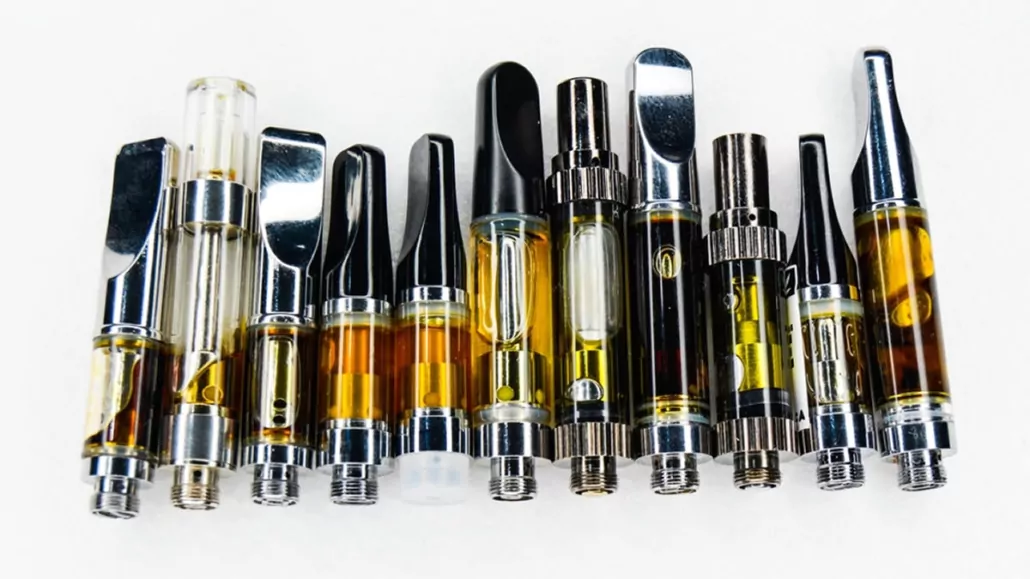
A dangerous new drug trend involving vape canisters containing etomidate—a short-acting intravenous anesthetic—is sweeping across the Asia-Pacific, prompting aggressive crackdowns in Singapore and Hong Kong. Marketed under street names like “K-pods,” “space oil,” or “zombie juice,” these illicit vapes induce a rapid, euphoric, and dissociative state, but their use is linked to severe and sometimes fatal health consequences.
Etomidate, originally used for medical sedation, causes a quick sensation of light-headedness and detachment, similar to ketamine or nitrous oxide. However, the comedown can be severe, leading to nausea, blackouts, convulsions, and impaired movement. Sarah Helm, executive director of the New Zealand Drug Foundation, where etomidate vapes have also been found, warned, “It can be difficult for people who use etomidate to track how much they have used… Internationally, there have been cases of hospitalisations and even fatalities.” Prolonged use is also linked to seizures, brain damage, and hormonal imbalances.
In Singapore, viral videos of young people behaving erratically after using “K-pods” and the death of a 19-year-old girl allegedly linked to their use spurred government action. After a random sample of confiscated vapes found a third contained etomidate, the government classified it as a Class C drug in September. Sellers now face up to ten years’ imprisonment and caning, while importers risk up to twenty years in prison. Users face fines and mandatory stays in Drug Rehabilitation Centres (DRCs).
This crackdown on etomidate has been used to reinforce Singapore’s general “war on vapes,” which have been banned since 2018. An anonymized young Singaporean, “MF,” suggested the government is using the etomidate crisis to justify its strict anti-vaping stance, while also pointing to the intense societal pressure that may be driving youth to seek such substances to “take the edge off.”
Hong Kong has taken a similarly harsh approach. In February, it reclassified etomidate from a “Part I Poison” to a “dangerous drug,” elevating the maximum penalty for trafficking to life imprisonment. This move came as authorities discovered a massive surge in illicit supply, seizing 250,000 etomidate vape cartridges in the first half of this year alone—35 times more than the same period last year. South Korea and Japan have also recently blacklisted or banned these “zombie vapes.”
Despite these prohibitions, the illicit trade continues, fueled by diversion from medical stocks and clandestine labs producing unregulated and potentially even more toxic versions. While authorities in Singapore and Hong Kong have opted for severe criminal penalties, some harm reduction advocates, like Helm in New Zealand, warn that an outright ban without support systems could push users into the shadows and prevent them from seeking help.

- Indonesia: Denpasar Updates Smoke-Free Bylaw to Tighten Vape Rules - October 20, 2026
- Teen Girls Surpass Boys in Vaping Rates, Reversing Historic Trends - October 20, 2026
- Alabama: Irondale Proposes Public Vaping Ban with Fines Reaching $200 - October 20, 2026
Related posts:
 Hong Kong Proposes Public Vape Ban & Flavor Restrictions
Hong Kong Vape Laws: Ban, Penalties & Travel Rules
Hong Kong Proposes Public Vape Ban & Flavor Restrictions
Hong Kong Vape Laws: Ban, Penalties & Travel Rules
 Public Health Experts in Pakistan Call for Ban on E-Cigarettes
 Philippines DOH Reaffirms Strong Stance Against Vapes and Tobacco
 Vaping in Thailand? Tourists & Users Now Face Up to 5 Years Prison Risk
 UK Smoking Ban: Impact on Vaping and Smoking Rates

