
Supreme Court Widens Path for FDA Vape Challenges
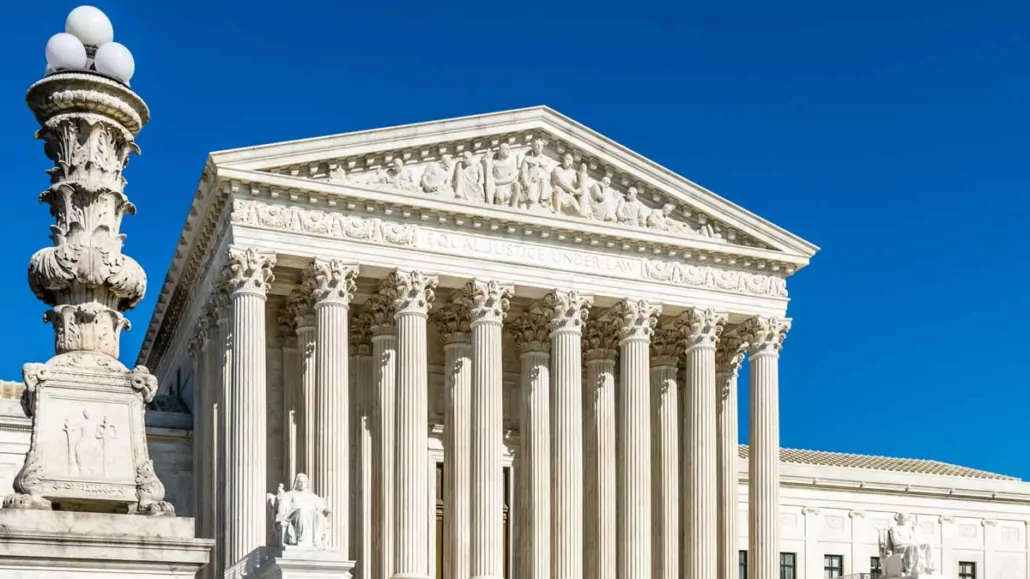
In a significant decision impacting the vaping industry, the U.S. Supreme Court ruled on June 20 in FDA v. R.J. Reynolds Vapor Co. that challenges to Food and Drug Administration (FDA) marketing denial orders (MDOs) for new tobacco products can be brought not only by manufacturers but also by retailers. This expansion of standing is expected to lead to a surge in legal challenges, particularly in the U.S. Court of Appeals for the Fifth Circuit, a venue where litigants have historically found more success against federal agencies.
The case centered on MDOs issued to RJR Vapor for its flavored Vuse e-cigarette products, including menthol varieties. Under the Family Smoking Prevention and Tobacco Control Act (TCA), new tobacco products require FDA authorization to be legally marketed. The FDA denied RJR Vapor’s applications, citing a failure to prove the products were appropriate for public health protection. RJR Vapor, joined by retailers located within the Fifth Circuit’s jurisdiction, challenged these denials.
The core legal question was whether retailers qualify as “adversely affected” persons under the TCA, granting them the right to appeal. The FDA argued that only the applicant (manufacturer) had standing and accused RJR Vapor of forum shopping to avoid unfavorable rulings in other courts. However, the Supreme Court sided with the industry, reasoning that retailers face direct financial harm—losing the opportunity to profit or risking sanctions for selling unauthorized products—making them arguably protected by the statute.
This ruling has immediate consequences. Numerous MDO cases that were stayed pending this decision are likely to resume, with the Fifth Circuit already lifting stays on several consolidated cases. Longer-term, the decision leaves open whether each petitioner in a joint filing must independently establish venue, a question likely to be litigated further. Additionally, the broad interpretation of “adversely affected” could potentially open the door for other parties, such as individual consumers, to challenge FDA decisions if they can demonstrate significant impact.
Ultimately, the decision significantly widens the scope for industry challenges against FDA regulatory actions, potentially shifting the legal battleground to more favorable jurisdictions like the Fifth Circuit.

- Higher Vape Taxes Drive Consumers Back to Cigarettes, Iowa Study Warns - October 8, 2026
- Ireland Cigarette Prices Hit €20 in Budget 2027 Tax Hike - October 8, 2026
- Pennsylvania Passes CLEAR Act Penalizing Retailers for Youth Vape Sales - October 8, 2026
Related posts:
 Newton City Council in Connecticut Approves Generational Tobacco Ban
 UK Retailers Urged to Sell Disposable Vapes Before June 1st Ban
 Vape Market in 2025: Emerging Trends and Predictions Shaping the Industry
 Is Vaping While Driving Legal in Florida?
 The Ultimate Guide to Big Puff Vapes: Longer-Lasting, Cost-Effective Vaping

