
UK Generational Ban Threatens Premium Cigar Market
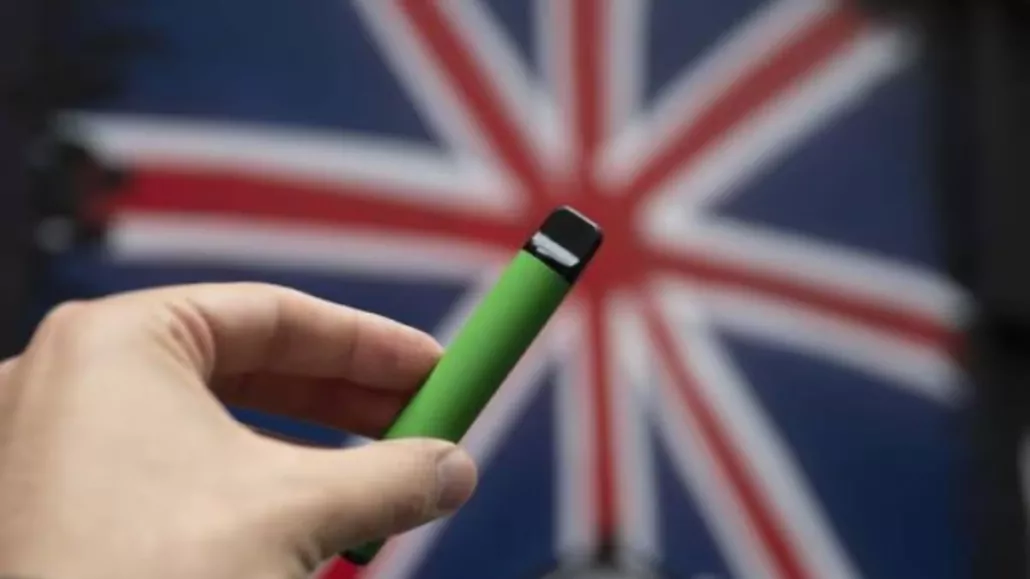
The United Kingdom is on the verge of enacting the Tobacco and Vapes Bill, a landmark piece of legislation that will permanently ban the sale of tobacco products to anyone born after January 1, 2009. Having cleared the House of Commons and recently passed the House of Lords on March 9, the bill is now entering its final legislative stages. While designed to phase out mass-market smoking, the premium cigar industry warns of severe unintended economic consequences for specialist tobacconists.
The “Unintended Victim”: Premium Cigars vs. Mass Market
A critical point of contention is the bill’s broad categorization. The word “cigar” does not appear once in the legislation; instead, it falls under a blanket definition encompassing any product “wholly or partly of tobacco.” This lack of distinction has frustrated the British cigar trade. Eddie Sahakian, operator of London’s renowned Davidoff store, criticized the process as “undemocratic and uninformed,” noting that stakeholders in the high-value, hand-crafted cigar sector were largely excluded from consultations.
During the House of Lords debate, Conservative peer Lord Syed Salah Kamall highlighted the economic trade-offs. He argued that specialist tobacconists serve adult consumers—many of whom travel globally to London—and deal in products that are fundamentally distinct from the cheap cigarillos and machine-made cigarettes the bill targets. Despite these appeals, the legislation advanced without any specific carve-outs for premium cigars.
The Threat of the Illicit Market
Beyond the immediate impact on legitimate businesses, industry skepticism focuses on the practical enforcement of a generational ban. Lord Kamall warned that an “ever-widening prohibition on tobacco sales to an increasing share of the adult population” risks driving consumers toward the illicit market. As the legal market shrinks for future generations, the black market—which is already growing in the UK—is poised to absorb the demand.
The bill is scheduled for the “Consideration of Lords Amendments” on March 23, after which it requires only Royal Assent to become law. Alongside the generational ban, the legislation may also introduce stringent plain packaging requirements, further threatening the branding and heritage of premium cigar manufacturers.
| Legislative Milestone | Status / Date | Impact on Consumers |
|---|---|---|
| House of Commons | Passed (2025) | Initial approval of the generational ban. |
| House of Lords | Passed (March 9, 2026) | Rejected appeals for premium cigar exemptions. |
| Lords Amendments | Scheduled (March 23, 2026) | Final review of plain packaging stipulations. |
| Target Demographic | Born after Jan 1, 2009 | Lifetime ban on purchasing any tobacco product. |
Global Precedent: Will Others Follow?
If the UK successfully implements the Tobacco and Vapes Bill, it will set a massive global precedent. The concept of a generational ban has gained traction worldwide, despite setbacks such as New Zealand’s repeal of a similar law in 2023. Local municipalities in the US, including areas in Massachusetts and California, have already experimented with localized versions. The UK’s move could catalyze a domino effect, reshaping international tobacco policy and threatening the global premium cigar industry’s long-term viability.
- News reference: U.K.’s Generational Tobacco Ban About To Become Law

- Mexico Passes Stricter Tobacco Law as Experts Warn of Cartel Trade - October 9, 2026
- FDA Tobacco Review Delays Threaten Public Health, GAO Report Reveals - October 9, 2026
- USA Northeast Vape Laws in 2026: State Taxes & Flavor Bans - October 9, 2026
Related posts:
 Florida Judge Allows Key Claims in Zyn Lawsuits Over Deceptive Marketing
 Oklahoma Prisons to Sell Vapes & Nicotine Pouches to Inmates
 UK Nicotine Market 2026: Tobacco, Vapes & Pouch Growth
 Massachusetts Cities Consider Generational Tobacco Bans
 New Zealand’s New Government to Repeal Generational Tobacco Ban
 Indiana Senator Introduces Generational Tobacco Ban Bill

