
UK: There are 3,500+ Vape Shops on High Streets
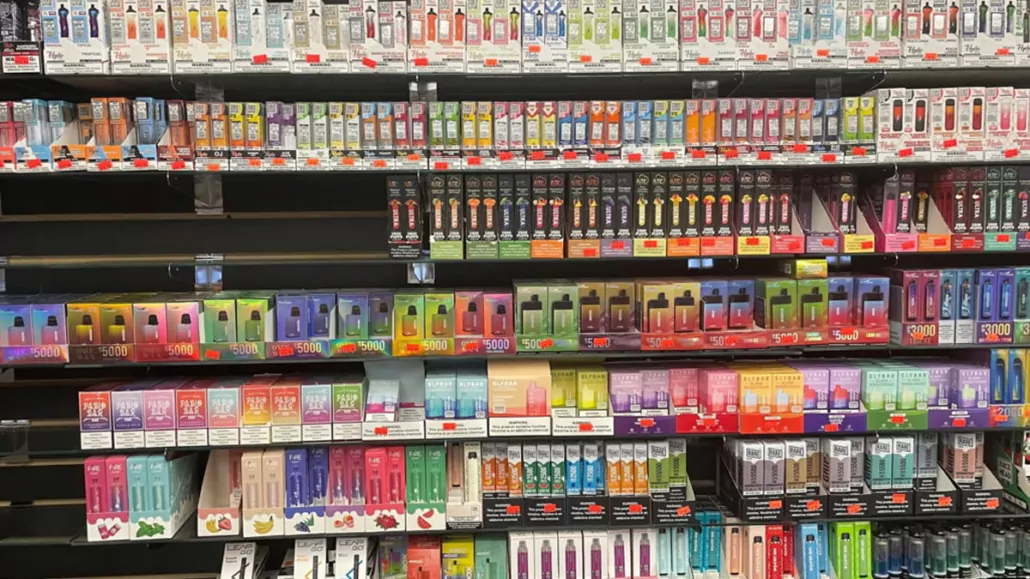
The UK’s independent vape shop sector has surged to over 3,500 dedicated outlets, expanding by nearly five new stores weekly throughout 2023. Now a £1.7 billion industry serving 5.6 million adults, these specialist retailers—concentrated in hubs like Manchester—dominate British high streets alongside non-traditional vendors including barbers, supermarkets, and mobile phone repair shops.
The Rapid Expansion of Britain’s Retail Vaping Landscape
While traditional retail sectors face significant headwinds and closures, the vaping industry is experiencing an unprecedented boom. Across the United Kingdom, the number of independent specialist vape shops has climbed past the 3,500 mark. This growth trajectory was particularly aggressive in 2023, where data indicates that approximately five new stores opened every week. This expansion is driven by a massive consumer shift, with 5.6 million adults in Britain now identifying as vapers—roughly 10% of the total adult population.
The ubiquity of these outlets is now a defining characteristic of the modern British high street. Unlike traditional tobacco, which is largely sold behind shutters in supermarkets and newsagents, vaping products are showcased in dedicated storefronts. These businesses are often clustered in high-traffic areas, creating a high-density retail environment that has fundamentally altered the commercial aesthetic of town centers from Manchester to Newport.
Retail Density and Geographic Clustering
The concentration of vape shops is not uniform across the country, with certain urban centers emerging as primary hubs for the trade. Manchester, for instance, currently holds the third-highest density of specialist vape shops in the UK. Company registration data reveals that the city hosts 20 outlets per 100,000 residents. In specific neighborhoods like Cheetham Hill, it is common to find a dozen outlets sitting almost side-by-side, characterized by gaudy advertisements promising “premium clouds” and “big puffs.”
This clustering phenomenon raises questions about market saturation, yet the industry continues to thrive. The profitability of these locations is significant; industry insiders note that the markup on legitimate vaping products—from wholesale to retail—can be substantial, often exceeding £1,500 per standard wholesale box of units. This high margin has encouraged a diverse range of entrepreneurs to enter the market, leading to the “vape shop boom” observed on nearly every major high street.
Diversification Beyond Specialist Stores
The 3,500+ figure only accounts for independent, specialist vape shops. The true availability of nicotine products is far wider, as vapes have permeated non-traditional retail sectors. Consumers can now purchase devices in:
- Convenience stores and supermarkets
- Barbers and hair salons
- Mobile phone repair shops
- Sweet shops and dessert parlors
- Online specialist retailers
This diversification means that vaping products are now among the most accessible consumer goods in the UK. The Medicines and Healthcare products Regulatory Agency (MHRA) maintains a registry of legal products, but the sheer volume of retail points—estimated to be tens of thousands when including non-specialist stores—presents a significant oversight challenge for Trading Standards and local authorities.
| Total Independent Vape Shops | 3,500+ Outlets |
| 2023 Growth Rate | ~5 New Shops per Week |
| Annual Market Value | £1.7 Billion |
| Adult Vaping Population | 5.6 Million (1 in 10 adults) |
| Manchester Shop Density | 20 Outlets per 100,000 residents |
Future Outlook: Licensing and the Tobacco and Vapes Bill
In response to the rapid proliferation of shops, industry bodies like the UK Vaping Industry Association (UKVIA) are advocating for a formal licensing scheme. The goal is to ensure that only “reputable premises” are permitted to sell these products. Under proposed frameworks, licenses would be restricted to specialist retailers, convenience stores, and pharmacies that can demonstrate strict adherence to age verification training and MHRA compliance.
The Labour government has signaled its intent to review these licensing requirements as part of the forthcoming Tobacco and Vapes Bill. Additionally, the planned ban on disposable vapes, scheduled for next summer, is expected to significantly disrupt the current retail model. While some experts fear this could drive users toward the black market, the industry’s leading voices argue that robust enforcement and a structured licensing system are the only ways to manage the 3,500+ shops currently operating across Britain’s high streets.

- Indonesia: Denpasar Updates Smoke-Free Bylaw to Tighten Vape Rules - October 20, 2026
- Teen Girls Surpass Boys in Vaping Rates, Reversing Historic Trends - October 20, 2026
- Alabama: Irondale Proposes Public Vaping Ban with Fines Reaching $200 - October 20, 2026
Related posts:
 Study Reveals Vaping Around Children Exposes Them to Significantly Less Nicotine Than Secondhand Smoking
 Vaping in Hotels: Can They Detect It and What Are the Consequences?
 South Australia Bans Nicotine Pouches
 Virginia Newport News Proposes Ban on New Vape Shops Near Schools
 Hanover County, Virginia Restricts New Vape & CBD Stores
 Roanoke Considers Zoning Ordinance to Limit New Vape Shops

