Vaping Misinformation Study: 30% Falsely Believe It’s Worse Than Smoking
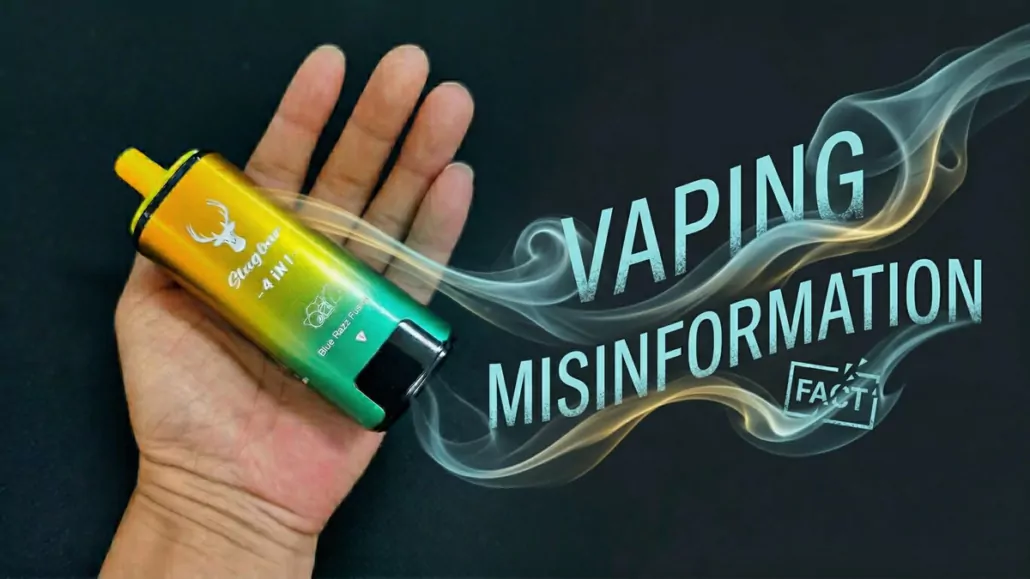
A decade-long study reveals a dangerous shift in public perception, warning that anti-vaping campaigns are actively discouraging adult smokers from utilizing effective harm-reduction tools.
A new study published in Nicotine & Tobacco Research demonstrates a tenfold increase in the false belief that e-cigarettes are more harmful than traditional combustible tobacco. Researchers from UT Southwestern Medical Center warn that this systemic misinformation—driven by the EVALI crisis and unbalanced public health campaigns—is directly undermining adult smoking cessation efforts across the United States.
The Data: A Decade of Shifting Perceptions
Despite increasing clinical evidence supporting the reduced harmfulness and high cessation efficacy of e-cigarettes, public perception has moved aggressively in the opposite direction. A team of nine researchers from UT Southwestern Medical Center analyzed data from the US Health Information National Trends Survey (HINTS), tracking the risk perception of 20,771 respondents between 2012 and 2022.
The findings are stark. In 2012, only 2.8% of Americans believed that vaping was more harmful than smoking. By 2022, that figure had skyrocketed to 30.4%. Conversely, the accurate perception that vaping is less harmful than combustible tobacco plummeted from 50.7% to just 16.7%.
| Public Perception (US Adults) | 2012 Data | 2022 Data | Trend |
|---|---|---|---|
| Believe Vaping is More Harmful than Smoking | 2.8% | 30.4% | Tenfold Increase (Negative) |
| Believe Vaping is Less Harmful than Smoking | 50.7% | 16.7% | Significant Decline |
The Root Causes: EVALI and Unbalanced Messaging
The authors draw a direct correlation between this surge in false beliefs and two major public health events: the misattributed EVALI crisis (which was primarily linked to illicit THC cartridges, not commercial nicotine vapes) and the subsequent rise of aggressive anti-vaping campaigns in the United States.
This misinformation creates a dangerous public health paradox. By exaggerating the risks of e-cigarettes to deter youth use, campaigns are inadvertently convincing adult smokers to stick with traditional, highly lethal cigarettes. The researchers emphasize the urgent need for a balanced approach, stating: “Our findings show the need to strike a balance in public health messages that discourage young people… while ensuring that adults who smoke have access to accurate information.”
Verdict: The Cost of Scientific Denial
The UT Southwestern study highlights a critical failure in modern public health communication. When 30% of the public believes a harm-reduction tool is more dangerous than the leading cause of preventable death (combustible tobacco), the regulatory messaging has failed. Aligning with recent recommendations from the British Psychopharmacology Association, US authorities must recalibrate their messaging to ensure adult smokers are not deterred from life-saving cessation options by media-driven misinformation.

- Indonesia: Denpasar Updates Smoke-Free Bylaw to Tighten Vape Rules - October 20, 2026
- Teen Girls Surpass Boys in Vaping Rates, Reversing Historic Trends - October 20, 2026
- Alabama: Irondale Proposes Public Vaping Ban with Fines Reaching $200 - October 20, 2026