Is Asia-Pacific’s Ban on Safer Nicotine Products Costing Lives?
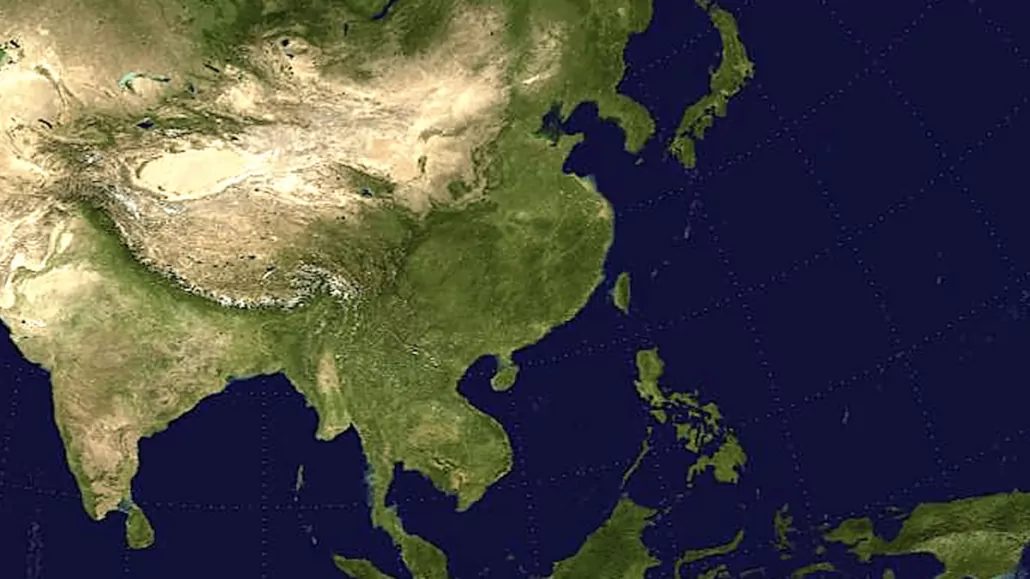
Restrictive policies and outright bans on safer nicotine alternatives like vapes and heated tobacco in many Asia-Pacific countries are effectively protecting the deadly cigarette market. By limiting access to harm reduction tools that have successfully lowered smoking rates in countries like New Zealand and Japan, these governments may be inadvertently contributing to millions of preventable smoking-related deaths.
Key Takeaways:
- Deadly Status Quo: The majority of the world’s smokers live in Asia-Pacific, where millions die annually from smoking-related causes.
- Prohibitionist Trend: Countries like Vietnam, Bangladesh, Thailand, and India have implemented full bans on safer nicotine options.
- Success Stories Ignored: Japan, New Zealand, and the UK demonstrate that regulated access to alternatives drives down smoking rates.
- Illicit Markets: Bans often leave smokers choosing between deadly cigarettes or risky, unregulated black market products.
Tobacco harm reduction refers to public health strategies that encourage substituting combustible cigarettes with less harmful nicotine alternatives, such as e-cigarettes, heated tobacco products, and oral nicotine pouches. Despite evidence from other regions that these tools save lives, many governments in the Asia-Pacific region are moving in the opposite direction, implementing strict bans that critics argue are costing lives.
The High Cost of Prohibition in Asia-Pacific
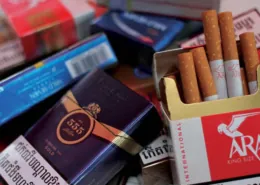
The Asia-Pacific region is home to the majority of the world’s smokers, and consequently, bears the brunt of the eight million annual deaths attributed to smoking-related diseases globally. While combustible cigarettes remain the most dangerous delivery method for nicotine—killing up to two-thirds of long-term users—many regional governments are strangling the very products that offer a safer alternative.
In 2025, this trend accelerated. Vietnam tightened its total ban on safer nicotine options, joined late in the year by Bangladesh. They add to a growing list of prohibitive markets including Thailand and India, where full bans have obstructed smoking cessation efforts and fueled dangerous illicit trades. Meanwhile, countries like Malaysia and the Philippines are considering extreme tax proposals and restrictions that could make safer options harder to access than deadly cigarettes.
A Tale of Two Approaches: Regulation vs. Ban
The contrast between countries that ban these products and those that regulate them is stark. When governments prioritize harm reduction, real-world public health gains follow.
| Country | Policy Approach | Outcome |
|---|---|---|
| Japan | Regulated Heated Tobacco | Unprecedented global decline in cigarette sales. |
| New Zealand | Pragmatic Vaping Regulation | Achieved some of the lowest adult smoking rates worldwide. |
| Sweden | Widespread Snus/Pouch Access | Boasts exceptionally low smoking rates in Europe. |
| Thailand/India | Full Bans | Thriving illicit markets; obstructed smoking cessation. |
The Influence of Global Organizations
Despite these success stories, Asia-Pacific governments face intense pressure to maintain prohibitionist stances. This pressure comes from a network of anti-nicotine NGOs and, paradoxically, the World Health Organization (WHO) itself. Critics argue that the WHO’s current guidance often sidelines evidence supporting safer nicotine products as cessation tools, effectively narrowing options for smokers and increasing risk—the opposite of the harm reduction principles applied to other forms of drug use.
For smokers in cities like Dhaka, Hanoi, or Bangkok, the choice is often binary: continue using a lethal product or navigate a risky black market. The real choice facing regulators is no longer about “liking” these products, but deciding whether they want to reduce the death toll from smoking.

- Ukraine Postpones Digital e-Excise Rollout to July 2027 - October 16, 2026
- Italy Raises Prices on Rolling Tobacco, Heated Sticks, and Cigars - October 15, 2026
- German Committee Approves Tobacco Tax Hike, Raising Cigarette Prices by €4 by 2030 - October 15, 2026