
Wisconsin Cigarette Tax Revenue Collapses Under Outdated Vape Policies
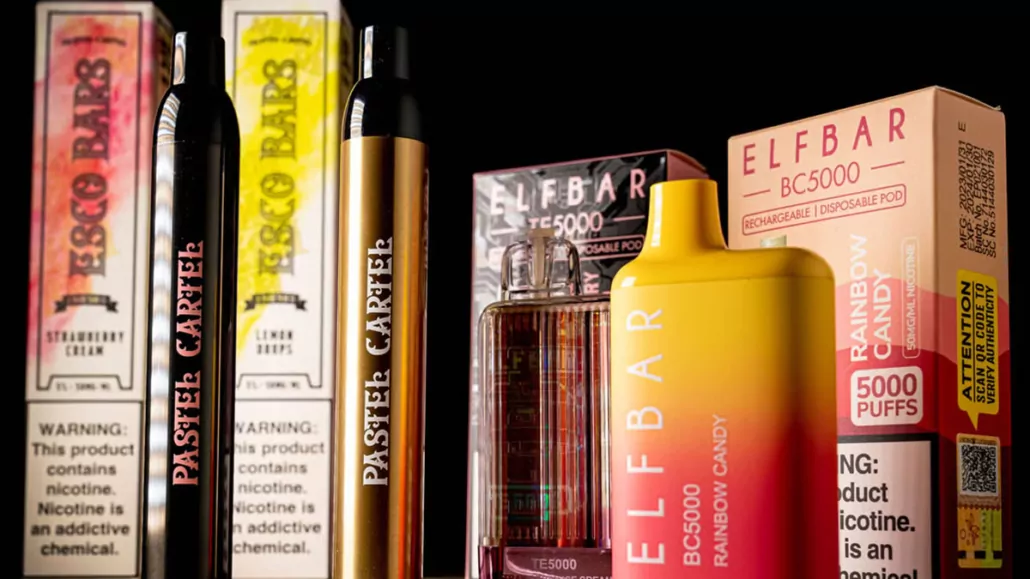
A comprehensive report by the Wisconsin Policy Forum has exposed a deepening fiscal crisis in Wisconsin, where a dramatic decline in smoking rates has triggered a collapse in cigarette tax revenues. This budgetary shortfall is exacerbated by state tax policies that allow modern nicotine alternatives to escape equitable taxation.
For decades, Wisconsin relied on cigarette excise taxes to fund essential public services, including K-12 education, healthcare infrastructure, and municipal aid. However, this fiscal model is failing as public health initiatives succeed. In 2008 and 2009, state policymakers aggressively raised the cigarette tax to $2.52 per pack to plug budget deficits, peaking inflation-adjusted collections at $950.9 million in 2010.
Since then, the decline has been permanent. By the fiscal year ending in June 2025, annual collections plummeted to $369.6 million. This drop aligns with national trends; the share of U.S. adults who smoke cigarettes fell to a historic low of 9.9% in 2024.
As combustible tobacco use declines, consumers are migrating to alternative nicotine delivery systems. Adult e-cigarette usage climbed to 7.0% nationally in 2024—a 55.6% increase over five years. However, Wisconsin’s tax code has failed to adapt to this digital, fluid-based marketplace.
Under a 2019 statute, the state levies a meager tax of five cents per milliliter on vaping liquid, tying Wisconsin for the lowest vapor tax in the nation. Furthermore, a unique statutory loophole explicitly exempts vaping fluid sold separately from enclosed devices, making Wisconsin the only state that fails to tax open-system e-liquids. Consequently, while e-cigarette tax revenues grew to $8.1 million in FY 2025, they offset only 2.2% of the losses from traditional cigarettes.
To illustrate the stark disparity in how Wisconsin taxes various nicotine products compared to national standards, consider the following breakdown:
| Product Category | Wisconsin Tax Rate | National Comparison / Context |
|---|---|---|
| Combustible Cigarettes | $2.52 per pack | Punitive rate designed to discourage smoking. |
| Closed-System Vapes | $0.05 per milliliter | Tied for the lowest rate in the U.S. (36¢ per 4-pack vs. 94¢ median). |
| Open-System Vape Liquids | $0.00 (Exempt) | Wisconsin is the only state to exempt separate vaping fluids. |
| Oral Nicotine Pouches | $0.00 (Untaxed) | No excise tax applied despite explosive market growth. |
The regulatory vacuum extends to modern oral nicotine pouches. Authorized by the FDA, these spitless, tobacco-free pouches have become highly popular among young adults and professionals. Yet, Wisconsin imposes no excise tax on them because the state’s tax code remains structurally tethered to outdated, twentieth-century definitions of tobacco.
To offset these mounting losses, some state policymakers have proposed legalizing and taxing cannabis. However, fiscal analysts warn that cannabis revenues could follow the same trajectory as tobacco—experiencing an initial windfall followed by market saturation and eventual decline.
Rather than relying on a patchwork of outdated laws, policy experts suggest Wisconsin adopt a harm-reduction taxation model. Similar to frameworks used in the European Union, this approach indexes excise taxes directly to the scientific toxicity and health risks of each product. By aligning taxes across cigarettes, vapes, and oral pouches, Wisconsin could secure a stable, predictable revenue stream while continuing to support public health.
- Reference: Wisconsin cigarette tax revenue collapses under outdated policy as users switch to low-tax vapes

- US CDC Narrows Vape Warning to Focus on Illicit THC Products - October 13, 2026
- Doctors Should Consider Vapes for Smoking Cessation, JAMA Panel Advises - October 13, 2026
- Armenia Reports 25.5% Daily Smoking Rate as Youth Vaping Surges - October 13, 2026
Related posts:
 St. Petersburg Legislators Demand Stricter Vape Packaging Regulations, Call for Complete Ban
 Singapore Vaping Crackdown Intensifies Amid Ban Debate
 Australia Landlords Face Jail & $165k Fines for Allowing Illegal Vape Sales
 UK Vape Market Adapts: Reusables & Pouches Surge Post-Ban
 Bestselling Vapes in UK After Disposable Ban: What to Stock 2025
 Synthetic Nicotine E-Cigarettes: A Regulatory Blind Spot in South Korea

