
Nicotine Pouches: The New Environmental Nuisance Rivaling Cigarette Butts
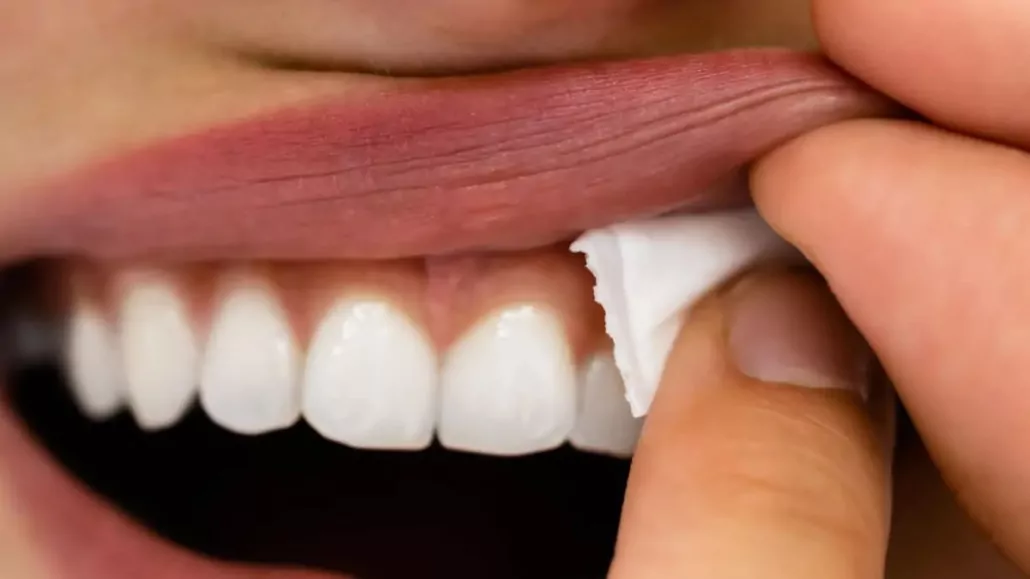
Nicotine pouches like Zyn are surging in popularity, but they are creating a massive litter problem. Bartenders and sanitation officials report finding used pouches everywhere from bar floors to urinals, sparking concerns that these discreet products are becoming the “cigarette butts” of the smoke-free era.
For decades, the cigarette butt was the undisputed king of litter. Flicked onto sidewalks, stomped into gutters, and buried in sand, it was the ubiquitous symbol of tobacco waste. But as smoking rates decline and smoke-free alternatives rise, a new contender has emerged: the nicotine pouch. Small, white, and discreet, these pouches are flooding the market—and our public spaces.
Gabby Masseran, a 23-year-old bartender in Denver, has watched this shift happen in real-time. “It used to be gum under the tables, now it’s just Zyns,” she told NBC News. Her experience reflects a growing frustration among service industry workers. Instead of finding them in the trash, staff are discovering slimy, used pouches stuck under bar stools, dropped in empty pint glasses, and spat into urinals. The mess is so pervasive that Masseran admits to throwing away glassware contaminated with used pouches, finding them too repulsive to clean.
This anecdotal evidence is backed by staggering market data. Sales of nicotine pouches soared by 641% between 2019 and 2022. Products like Zyn, On!, and Velo offer users a way to consume nicotine without smoke or vapor, making them usable in places where vaping and smoking are banned. However, this convenience has a dark side. Because they are used discreetly, they are often discarded discreetly—which usually means dropping them on the floor or sticking them to furniture rather than finding a garbage can.
Jonathan Alpert, a psychotherapist based in New York and Washington, D.C., describes this as a behavioral shift. Smokers were culturally conditioned to flick butts away. Pouch users, operating in indoor spaces where they can’t easily access an ashtray, often choose the path of least resistance. “The nearest place to discard them becomes a golf course, the underside of a bar table, or the sidewalk,” Alpert explains. “It’s less visible than smoking but produces its own kind of mess.”
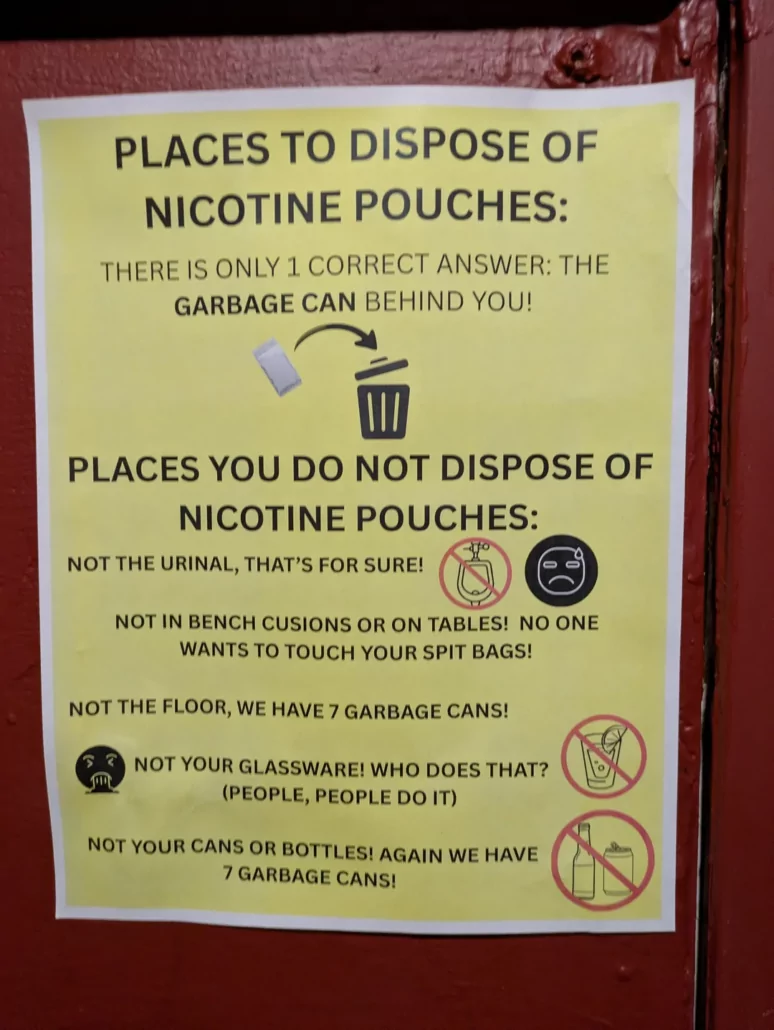
Sanitation departments are taking notice. Joshua Goodman, deputy commissioner for the New York City Department of Sanitation, confirmed that while they don’t track litter by specific brand, nicotine pouches represent a unique and growing challenge. “Everyone knows not to litter, but for some reason, people think these small items don’t count,” Goodman said. He emphasized that despite their size, pouches damage the aesthetic of city streets just as much as chip bags or coffee cups.
The environmental impact isn’t limited to the pouches themselves. The plastic cans they come in also contribute to waste, though manufacturers like PMI U.S. (which markets Zyn) emphasize that the cans are recyclable and feature a storage compartment for used pouches. A PMI spokesperson stated the company encourages responsible disposal, urging consumers to use the “catch lid” feature rather than littering.
However, the problem extends beyond just pouches. New York City officials recently noted that their trash now contains approximately one million pounds of discarded vapes, highlighting a broader crisis of nicotine-related waste. As the market shifts away from combustible tobacco, the litter it produces is changing form, but the volume—and the nuisance—remains as high as ever.
- Read more: Disposable Vapes Environmental Impact: A Growing Concern and the Road to Regulation
- News reference: Nicotine pouches are everywhere — except in the trash

- Which States Still Grow America’s Tobacco? The Post-Buyout Era - June 17, 2026
- Pennsylvania: Pittsburgh Passes Strict Vape Shop Zoning Bill - June 10, 2026
- Ohio: Yellow Springs Halts New Smoke Shops with 180-Day Freeze - June 10, 2026
Related posts:
 Tahiti Proposes Tax Hikes on Tobacco & Vapes for 2026
 Vape Packaging Warning Label Requirements in the UK and EU
 Russia Call to Block Over 250 Electronic Cigarette Websites for Protecting Minors’ Health
 FDA Fines Retailers Selling Unauthorized Elf Bar
 Top 5 Best THCA Vape Carts To Buy In 2024
 Austria to Introduce Tax on E-Cigarette Nicotine, Aims to Boost State Revenue

