Nicotine Pouch Regulation 2026: Global Bans & Argentina’s Legal Gap
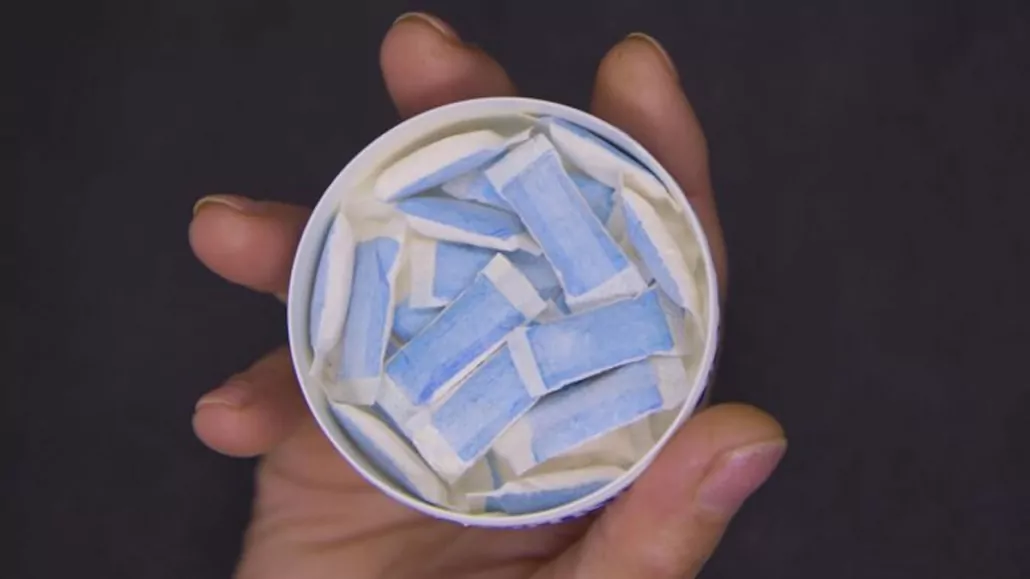
The global regulatory landscape for nicotine pouches is fracturing rapidly as governments race to catch up with a booming market. While the World Health Organization (WHO) has issued an urgent call to ban flavored nicotine products to protect youth, enforcement varies wildly across borders. In Europe, nations like France and the Netherlands have enacted strict bans, whereas the UK is debating new regulations. Meanwhile, in Argentina, a legal gray area allows these products to remain on kiosk shelves despite lacking authorization, prompting health organizations to demand their immediate removal under existing tobacco control laws.
Key Takeaways
- Global WHO Alert: The WHO urges an immediate ban on flavored nicotine products to prevent youth addiction.
- European Crackdown: France, the Netherlands, Belgium, and Germany have already restricted or banned nicotine pouches.
- Argentina’s Loophole: Pouches are sold in kiosks without specific authorization; NGOs argue they violate Law 26.687.
- US Stance: The FDA authorized marketing for 20 ZYN products but explicitly states they are “not safe” or “FDA approved.”
- Latin American Action: Colombia, Peru, and Panama have recently enacted laws regulating or banning nicotine pouch sales.
Global Regulatory Shift: Europe Leads the Ban
Four major nations have already taken aggressive steps to eliminate the legal market for oral nicotine pouches, driven by rising youth intoxication rates.
France has set a definitive deadline: the sale of nicotine pouches and other non-pharmaceutical oral products will be banned starting April 1, 2026. This follows an 18-month transition period after the government approved a bill prohibiting their manufacture and distribution. The French Agency for Food, Environmental and Occupational Health & Safety warned of a spike in poisonings among adolescents aged 12-17, catalyzing this legislative action.
Similarly, the Netherlands banned the retail sale of nicotine pouches effective January 1, 2025, escalating previous restrictions on nicotine concentration. Belgium has prohibited sales since 2023, though a black market persists. Germany regulates these pouches as “novel food products,” leading to a patchwork of regional bans that vary by state.
The UK and US: Regulation vs. Authorization
A deep dive into the Anglo-American approach shows a preference for regulation over total prohibition, though the paths diverge significantly.
United Kingdom: The Tobacco and Vapes Bill
Currently, nicotine pouches in the UK are unregulated and can legally be sold to minors. However, the Parliament is debating the Tobacco and Vapes Bill in 2026. This legislation aims to:
- Ban sales to anyone under 18.
- Restrict product placement in stores.
- Limit flavors, nicotine concentrations, and packaging designs.
United States: FDA’s “Authorized but Not Safe” Stance
In January 2025, the FDA authorized the marketing of 20 ZYN brand products. Crucially, the agency clarified that this does not mean the products are safe or “approved.” The authorization imposes strict marketing restrictions to prevent youth exposure, ensuring ads are targeted solely at adults 21+. The FDA maintains that no tobacco product is safe, but authorized marketing allows for adult access while attempting to mitigate youth appeal.
Latin America: New Laws in Colombia, Peru, and Panama
Tracking the 2024-2025 legislative wave in Latin America indicates a tightening of controls across the region.
| Country | Legislation | Key Restrictions |
|---|---|---|
| Colombia | Law No. 2354 (May 2024) | Pouches subject to same strict restrictions as tobacco products. |
| Peru | Law 32159 (Nov 2024) | Bans advertising/promotion; mandates health warnings. |
| Panama | Resolution 146 (Aug 2025) | Bans sales to minors and consumption in public places. |
Argentina: The Legal Gray Area
In Argentina, the situation remains legally ambiguous as of January 2026. There is no specific law regulating nicotine pouches, allowing them to proliferate in kiosks without health warnings. However, civil society organizations argue that these products are already covered under the existing National Tobacco Control Law (Law 26.687).
Mario Bedosti of FIC Argentina explains that while a specific update would be ideal, the current legal framework is sufficient to regulate them. The Argentine Anti-Tobacco Union (UATA) reinforces this, stating that because pouches use tobacco-derived nicotine and are linked to tobacco brands, they must comply with packaging and labeling laws. Currently, they are sold without the mandatory graphic health warnings, which UATA argues is a direct violation of the law.
Other emerging products like e-cigarettes and heated tobacco devices are already banned from import and sale in Argentina. NGOs are now urging authorities to apply similar enforcement to nicotine pouches, demanding their removal from the market and the implementation of prevention campaigns for adolescents.
Are nicotine pouches legal in Argentina?
Technically, they are unauthorized but widely available. While no specific law bans them explicitly, experts argue they violate Law 26.687 by lacking health warnings. NGOs are pushing for an immediate recall.

- Indonesia: Denpasar Updates Smoke-Free Bylaw to Tighten Vape Rules - October 20, 2026
- Teen Girls Surpass Boys in Vaping Rates, Reversing Historic Trends - October 20, 2026
- Alabama: Irondale Proposes Public Vaping Ban with Fines Reaching $200 - October 20, 2026