
Vaping Laws in Georgia – Is it Legal to Vape in Georgia?

updated on 07/05 2025
Welcome to our updated guide on vaping laws in the state of Georgia. As vaping continues to be a significant part of many people’s lives, either as an alternative to traditional smoking or a standalone practice, staying informed about the legal landscape is more important than ever. Georgia, like many states, has been actively refining its approach to regulating e-cigarettes and vapor products, with recent legislation bringing substantial changes. This post will delve into the current regulations as of 2025, with a special focus on the implications of the recently enacted House Bill 577 (HB 577), also known as the “Georgia Nicotine Vapor Products Directory Act.” Whether you’re a resident, a visitor, or a retailer, understanding these evolving rules is key to ensuring compliance and making informed choices.
Is Vaping Legal in Georgia? The Short Answer and the Long Details
So, can you legally vape in Georgia? Yes, vaping is legal for adults aged 21 and over. However, that “yes” comes with a significant number of conditions, restrictions, and new regulatory hurdles, particularly following the passage of HB 577 in March 2025. Georgia’s approach aims to balance public health concerns, especially regarding youth access, with the realities of a market for alternative nicotine products. Let’s break down the key components of Georgia’s vaping laws.
Federal and State Age Restrictions (Tobacco 21)
The most fundamental regulation governing vape sales in Georgia, as across the entire United States, is the federal Tobacco 21 (T21) law. Enacted nationwide in December 2019, this law raised the minimum legal sales age for all tobacco products, including e-cigarettes and vapor products, from 18 to 21. Georgia had already moved in this direction with its own SB 375, which took effect in July 2020, aligning the state with the impending federal standard.
This means retailers are legally obligated to verify the age of anyone attempting to purchase vape products, typically by checking a government-issued photo ID for any customer appearing under the age of 30. Selling to individuals under 21 is a misdemeanor offense, and penalties can apply to both the retailer and, under Georgia’s “Purchase, Use, and Possession” (PUP) laws, to the underage individual as well. While the intent is to curb youth access, some public health advocates have criticized PUP laws for potentially criminalizing youth addiction rather than focusing solely on retailer compliance and prevention.
House Bill 577 – The Georgia Nicotine Vapor Products Directory Act
Enacted in March 2025, House Bill 577 (HB 577) represents the most significant recent development in Georgia’s vaping regulation. This law establishes a centralized directory of nicotine vapor products authorized for legal sale within the state, administered by the Georgia Department of Revenue.
The core requirement of HB 577 is that for a nicotine vapor product to be legally sold in Georgia, its manufacturer must provide detailed certifications to the Department of Revenue. Crucially, this includes proof that the product has received premarket tobacco product application (PMTA) marketing authorization from the U.S. Food and Drug Administration (FDA).

Products that are not listed in this official directory will be prohibited from sale. The law includes a six-month grace period after the directory’s initial publication for retailers to clear non-compliant stock. This effectively means that many vaping products currently on the market, particularly disposable vapes and a vast array of flavored options that have not navigated the FDA’s stringent and costly PMTA process, will become illegal to sell in Georgia.
Implications of the PMTA Requirement and the Directory:
- De Facto Flavor Ban?: While HB 577 doesn’t explicitly ban flavors by name (like some other state or local laws do), its strict reliance on FDA PMTA approval has a similar effect for most flavored products. The FDA has, to date, authorized very few flavored e-cigarette products, primarily granting marketing orders for some tobacco-flavored devices from major tobacco companies (e.g., Vuse Alto, some Juul products). Thousands of applications for flavored products from independent manufacturers have been denied or remain pending. Consequently, the Georgia directory is expected to predominantly list tobacco-flavored products from large corporations, effectively removing most other flavored options from legal sale.
- Market Consolidation: The high cost and complexity of the FDA’s PMTA process (often running into millions of dollars per product application) mean that many smaller, independent vape manufacturers cannot afford to seek authorization. HB 577’s reliance on this federal standard is therefore predicted to lead to significant market consolidation, favoring large tobacco industry players who have the resources for PMTA submissions. Critics argue this stifles innovation and competition from smaller businesses.
- Cost to Consumers: With fewer products legally available and the market dominated by a handful of large manufacturers, there are concerns about potential price increases for consumers. The provided data comparing the cost per 30mL equivalent of FDA-authorized products like Vuse Alto ($200) and Juul ($350) versus popular (but likely soon-to-be-banned in Georgia) disposables like Lost Mary MT15000 ($63) illustrates a stark potential price difference. This could disproportionately affect lower-income adult smokers seeking less harmful alternatives.
- Impact on Vape Shops: Georgia is home to over 1,200 independent vape shops. HB 577 poses an existential threat to many of these businesses, as their primary inventory often consists of the flavored disposable and open-system e-liquids that are unlikely to appear on the state directory. Estimates suggest a large percentage of these shops could be forced to close, leading to significant job losses..
Public Vaping: Restrictions Under the Smoke-Free Air Act
Where you can legally vape in Georgia is largely governed by the state’s Smoke-Free Air Act. Originally targeting traditional cigarettes, amendments effective since July 2023 explicitly extended these prohibitions to include e-cigarettes and vaping. (WTXL News on Restrictions; Georgia DPH on Smoke-Free Places).
This means vaping is generally prohibited in most enclosed public places and workplaces, including but not limited to:
- Restaurants and bars (unless they have specific, separately ventilated smoking/vaping rooms that meet strict criteria, which are rare)
- Retail stores and shopping malls
- Government buildings
- Healthcare facilities
- Educational institutions (schools, colleges, universities – often with even stricter campus-wide bans)
- Theaters and other entertainment venues
- Public transportation
- Sports arenas and stadiums
Violators of the Smoke-Free Air Act can face fines ranging from $100 to $500. It’s important to note that local municipalities in Georgia may have enacted even stricter smoke-free (and therefore vape-free) ordinances, so always look for posted signage and be aware of local rules.
Federal law also prohibits vaping in federal government buildings and on airplanes.
Online Sales and Other Regulatory Aspects
The older information (Part 1) indicated that Georgia law allowed for the online purchase of vaping products, provided age verification was conducted. However, the implementation of HB 577 significantly impacts this. Any product not listed on the Georgia Nicotine Vapor Products Directory will be illegal to sell in the state, regardless of the sales channel. Therefore, online retailers shipping to Georgia addresses will also be bound by the directory’s limitations. Age verification for any legal online sales would still be required.
Regarding advertising, Georgia law, even before HB 577, imposed restrictions, particularly against promotions targeting minors or making misleading health claims. Packaging and labels for nicotine products must clearly indicate the presence of nicotine and its addictive nature.
Ecigator is one of the well-known vape brands spun off from KangSiDe Technology Co., Ltd, it’s an ISO-certified disposable vape manufacturer for OEMs, ODMs, and OBM since 2010. The founder team comes from top firms with more than 10 years of experience in the vaping industry and has devoted thousands of hours to providing users with a better and better experience.
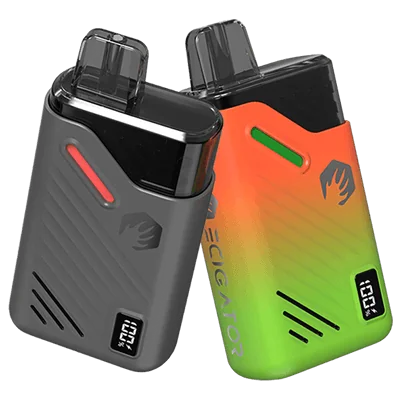
18K Disposable Pod Kit
Disposable Pod Kit – 18ml changeable pod with 650mAh rechargeable battery.
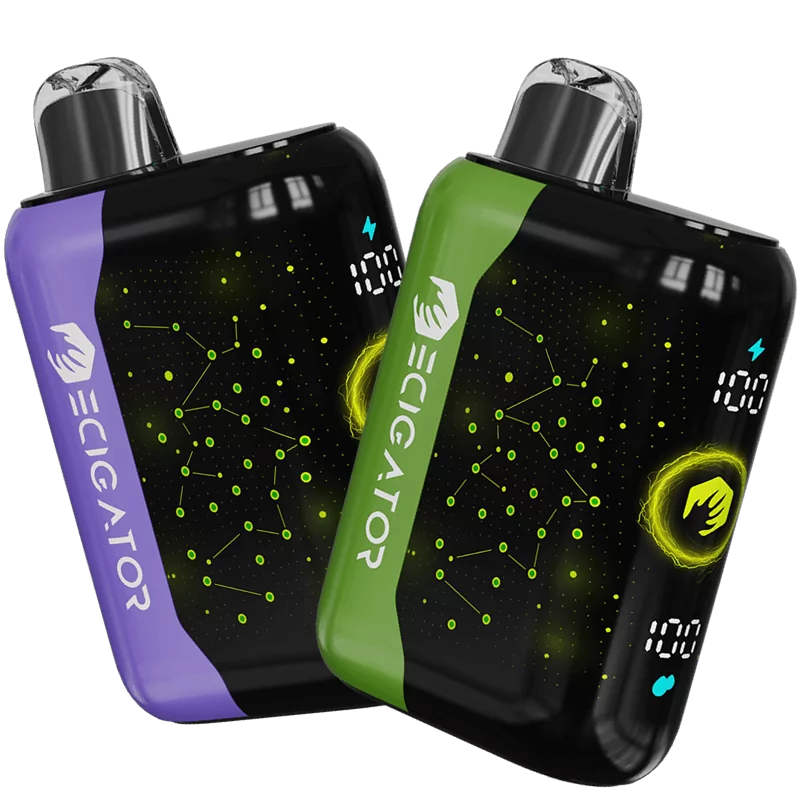
35K with Large Screen
35000 Puffs Disposable Vape with 3D galaxy screen. Eco and Pulse working modes.

30K DTL Disposable
30K Puffs DTL(Directly to Lung) disposable vape with airflow control and screen.
Public Health Perspectives and Ongoing Debates
The Georgia Department of Public Health (DPH) actively campaigns against youth vaping, emphasizing that vape aerosols are not harmless water vapor but can contain nicotine, ultrafine particles, heavy metals, and volatile organic compounds that pose risks for lung disease and addiction (Georgia DPH on E-cigarettes). While youth vaping rates have seen some decline nationally and in Georgia since their peak around 2019, a significant percentage of high school students (around 10% in Georgia according to some reports) still use e-cigarettes, with flavors often cited as a primary reason for initiation.
The debate around harm reduction continues. Proponents argue that for adult smokers unable or unwilling to quit nicotine, vaping offers a significantly less harmful alternative to combustible cigarettes, with some studies suggesting a substantial reduction in carcinogen exposure. However, organizations like the American Lung Association urge caution, pointing out that the long-term health impacts of vaping are still not fully understood and that vaping should not be promoted as a universally safe cessation tool without more definitive evidence and FDA approval for that specific purpose.
The FDA-funded study mentioned in “Part 2,” which found that cigarette sales increased by 15% in regions with strict flavor prohibitions, adds another layer to this debate, suggesting that removing flavored alternatives might, for some, lead to a return to more harmful combustible products.
Future Outlook: Pending Legislation and Federal Influence
The regulatory landscape in Georgia remains dynamic. The 2025 legislative session may see further bills attempting to refine or expand vaping regulations. Discussions around including synthetic nicotine explicitly under HB 577’s scope or increasing penalties for unauthorized sales are ongoing. There are also advocacy efforts pushing for exemptions for medical cannabis vaporizers, highlighting the diverse needs and product categories involved.
A significant external factor is the potential influence of federal litigation. The U.S. Supreme Court’s forthcoming ruling in a case like FDA v. VapeCo could, if it invalidates or significantly alters the FDA’s PMTA requirements, directly impact the foundation of Georgia’s HB 577 directory system. Such a ruling could force Georgia to revise its approach or face constitutional challenges.
Conclusion: A Tightly Regulated Vaping Environment in Georgia
Georgia’s vaping laws, significantly reshaped by the 2025 enactment of HB 577, reflect a strong commitment to curbing youth access and ensuring products sold in the state have undergone federal review. While vaping remains legal for adults 21 and over, the range of legally available products is set to narrow considerably, likely focusing on tobacco-flavored options from major manufacturers that have secured FDA PMTA approval. This will drastically impact independent vape shops and the availability of most flavored products.
For consumers, this means fewer choices and potentially higher prices for legal products. For retailers, strict compliance with age verification, product sourcing from the official directory, and adherence to public use restrictions are paramount. As both state and federal landscapes continue to evolve, staying informed about the latest regulations is essential for everyone involved with vaping in Georgia.

- Indonesia: Denpasar Updates Smoke-Free Bylaw to Tighten Vape Rules - October 20, 2026
- Teen Girls Surpass Boys in Vaping Rates, Reversing Historic Trends - October 20, 2026
- Alabama: Irondale Proposes Public Vaping Ban with Fines Reaching $200 - October 20, 2026
Related posts:
 South Carolina Advances Restrictive Vape Registry Bill
 Thailand May Legalize E-Cigarettes after May
 Vaping Laws in Canada – Everything You Need to Know
 Palau Announces Vape Illegal: Comprehensive Ban on Import, Advertising, Sales, and Use
 Illinois Proposes Vape Indoors Ban
 Lois sur le vapotage au Mexique – Est-il légal de vapoter au Mexique ?

