
Can You Really Grow Pineapple Seeds? A Beginner’s Guide
There are few things as enjoyable as growing a plant that is exotic, flavorful, and uplifting. Pineapple seeds fit the bill.
Unlike most garden plants, these seeds will add a tropical quality to your greenhouse or your home, with plants that grow into resinous buds with the unmistakable smell of fresh pineapple.
To the novice, the prospect of beginning with seeds may be intimidating. However, those specific seeds are famous for being beginner-friendly and still having an excellent outcome.
This is the opportunity to see a plant grow from its first phase of life into a harvest with both beauty and benefits.
This guide will take you through what makes pineapple seeds so special, how to get started, and what you can expect as your plants grow.
What Makes Pineapple Seeds Stand Out
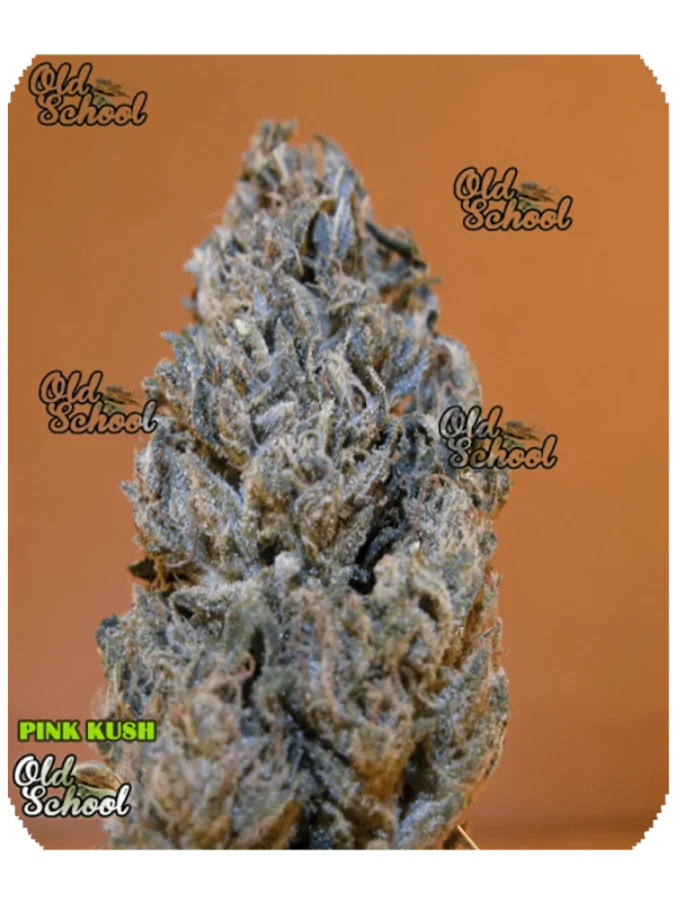
Pineapple seeds are not just a novelty; but they yield results. When grown, these seeds give rise to high-yielding, robust, Indica-strong strains with thick, medium-dense blooms.
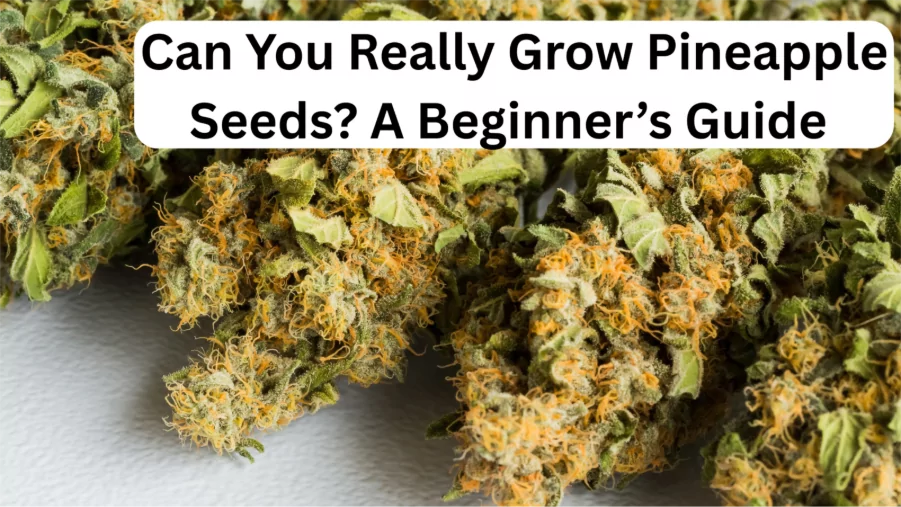
These buds have a similar appearance to a small pineapple fruit, with a stout shape, and the bright orange hair standing out in contrast to the light green nugs. The fact that they have aroma and flavor makes them especially appealing.
The fragrance alone is an intense tropical breeze with cool pineapple freshness and citrus notes. With a dessert-like taste, the buds are smooth and sweet when smoked, and they tend to provide a relaxing experience.
These are also practical seeds for growers. They do not require extensive care, which is why they are also a good choice even among those who are not very experienced with cultivation.
Given the right setup, they provide a fulfilling, growing experience and a generous harvest.
Starting Your Pineapple Seeds Right
As with all plants, germination is the starting point to success. The seeds of pineapple are small, and thus, they require tender care to start with.
One of the first things you can try is to soak them in water for 24-48 hours in order to weaken the outer shell, which promotes faster sprouting. Once soaked, put the seed in a porous, well-draining soil mix.
At this stage, the use of seed trays or small pots is appropriate. The soil should remain lightly moist (not waterlogged), and the tray should be covered with a plastic cover or wrap and sealed to trap humidity. This provides the right conditions to germinate.
It is especially necessary here to have patience. Some seeds will germinate fast, whereas others will take a slightly longer time. When you notice a small seedling protruding through the soil, you will know that your efforts have been worth it and the plant is now ready to take the next step.
Creating the Best Environment for Growth
Pineapple seeds are at their best when they have their settings in an environment comparable to a tropical climate. When indoors, ensure the temperature is 70 – 85°F so that young plants grow strong roots.
They also love light, either through a sunny window or through other means such as grow lights. Humidity is also significant in the initial life of the plant as it helps keep the seedlings moist.
Simultaneously, mold does not appear due to the absence of airflow. It is some mix of warmth, wetness, and seepage into which long-term growth is initiated.
As the plant grows older, you should be able to notice that its leaves will be thick and spiny, which is also a good indication of development. Developing a good setup in the beginning will give you a solid ground, which will yield great results at the later stages of the cycle.
Caring for Young Pineapple Plants
Care is needed after seedlings have been established; the difference is in consistent care. These plants get an average of six hours of light per day, but indirect or filtered light prevents scorching of leaves.
Water should be applied moderately, with the soil being allowed to dry a little between waterings. The fertilization also promotes healthy growth. Every few weeks, plants should also be provided with a moderated, diluted nutrient solution that will enable the plants to develop thick buds.
As they grow taller, they gain a stout profile, and the initial crystals of stickiness appear on the leaves and the stems. This phase takes time. Pineapple seeds are not bred as speedy crops, but good care is always rewarded.
Seeing each transformation, every small sprout to a rich green coloring, makes you realize that the crop will be worth the wait.
Flowering and Harvest: What to Expect
The most fun will start when you can see your pineapple plants in the budding stage. In a grow tent, the flowering process is usually ready 8- 9 weeks after converting to a flowering schedule.
Outdoors, or in greenhouses, plants usually mature in late September. The buds alone are a delight to a grower. Medium in density, sticky to the touch, and coated in a sparkling layer of crystals, they stand out as premium-quality harvests.
They resemble in some ways the shape of terracotta pineapples, except with orange hairs jutting out. The fragrance deepens as the flower blossoms, perfuming the area with tropical sweetness and citrus undertones.
When these buds are harvested, dried in the sunshine and cured, they are pleasant to smoke, producing an uplifting yet restful effect. In the case of many growers, this phase is what several months of work will culminate in.
Why Pineapple Seeds Are Beginner-Friendly
Pineapple seeds have become a favorite because they are not too challenging to cultivate. They are not finicky, and that makes them a cost-effective option for those newbies starting with brewing.
All growers, both novice and experienced, can have good results without bogging down in unnecessary complexities. The plants are easy to adapt to an indoor arrangement and do not exhibit erratic behavior in a controlled environment.
They are also successful when grown in a greenhouse, even in areas with harsher climates. To beginners, it implies that there is less stress and more fun.
Instead of paying attention to the fragile care procedures, you will be able to view the plant grow and look forward to the exotic tropical harvest you will get sooner or later. It is a simple, fulfilling method of starting your growing adventure.
Conclusion
Growing pineapple seeds is about more than just cultivation; it’s about enjoying a process that is as rewarding as the final harvest. From germination to flowering, every stage offers its own sense of achievement and teaches you the value of consistent care.
The plants themselves are beautiful, with striking leaves, fragrant buds, and a tropical aroma that makes the growing space feel alive. Once harvested, the smooth flavor and relaxing effects of the buds provide the perfect way to enjoy the results of your work.
For beginners and experienced growers alike, pineapple seeds offer accessibility, resilience, and plenty of personality. If you’re looking for a way to add a touch of the tropics to your growing experience, these seeds deliver every step of the way.

- The Shift Toward Sustainable Pre-Roll Packaging in the Cannabis Industry - August 13, 2026
- Vape Shop Safety: Preventing Battery Burns and Nicotine Exposure - August 5, 2026
- How Long Does a Disposable Vape Last? - August 4, 2026
Related posts:
 Vape Juice Ingredients Explained: What’s Really in Your E-Liquid?
 How to Successfully Open and Run a Vape Lounge
 Vaping 101: How to Find the Best Vape Products for Your Needs
 How to Properly Dispose of Your Disposable Vape: A Step-by-Step Guide
 Nicotine Pouches vs. Snus and Chew Tobacco – Key Differences
 ARC DC16000 Disposable Vape Review: Futuristic Design

