
Can You Get a DUI While High in Florida?
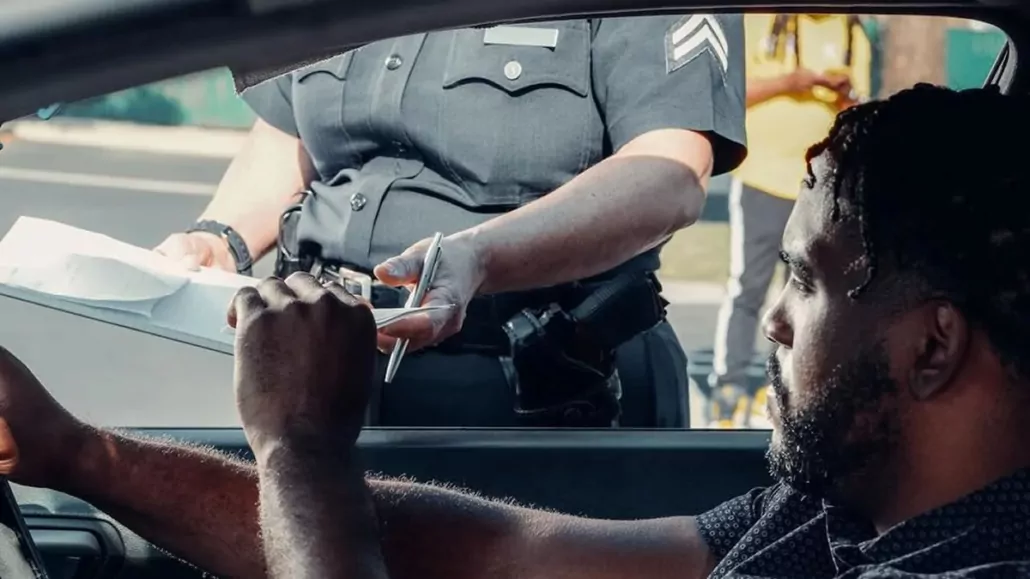
In the Sunshine State, where medical marijuana has become an accepted part of the healthcare landscape and discussions around recreational use continue, a critical question for many residents and visitors is: “Can you get a DUI for driving while high?” The answer is an unequivocal and resounding yes. Florida law is clear and strict: driving under the influence (DUI) of any substance that impairs your normal faculties, including legally prescribed medical marijuana, is a serious criminal offense. This guide provides a deep dive into Florida’s DUI laws as they apply to cannabis, exploring how impairment is proven, the severe penalties you could face, and what you need to know to stay safe and legal on the road.
Understanding Florida’s DUI Laws: Beyond Alcohol
Florida’s primary DUI statute, Florida Statute § 316.193, is not limited to alcohol. It makes it unlawful for any person to drive or be in “actual physical control” of a vehicle while under the influence of any alcoholic beverage, any chemical substance, or any controlled substance (which includes marijuana under Chapter 893) to the extent that their “normal faculties are impaired”. “Normal faculties” are defined as the ability to see, hear, walk, talk, judge distances, and make judgments in the normal manner of an ordinary, prudent person.
This “impairment” standard is the cornerstone of a marijuana DUI case in Florida. While an alcohol DUI can be proven with a blood alcohol concentration (BAC) of 0.08% or higher (a “per se” violation), Florida has no such per se THC limit in its statutes. This means that having a certain amount of THC in your system does not, by itself, automatically make you guilty of a DUI. Prosecutors must prove beyond a reasonable doubt that your ability to drive safely was actually diminished by the cannabis you consumed.
Medical Marijuana is Not a Defense for Impaired Driving
A crucial point for Florida’s many medical marijuana patients is that possessing a valid medical marijuana card is not a defense against a DUI charge. While your possession and use of cannabis may be legal under state medical laws, driving while impaired by it remains illegal. The law treats medical marijuana the same as any other prescription medication that can impair driving ability, such as opioids or benzodiazepines. If your normal faculties are impaired, you can be charged with a DUI, regardless of the legality of the substance you consumed.
How Law Enforcement Proves a Marijuana DUI in Florida
Without a breathalyzer or a legal THC limit, how do police and prosecutors build a case for a marijuana DUI? The process typically begins with a traffic stop for an observable violation (e.g., speeding, swerving, or a broken taillight). If the officer then develops a reasonable suspicion of impairment, they will build their case using a combination of evidence:
- Officer Observations: This is often the starting point. The officer will note any physical signs of impairment, such as bloodshot or glassy eyes, the odor of burnt marijuana emanating from the vehicle or on your person, slowed speech, or delayed reactions to questions and commands.
- Field Sobriety Tests (FSTs): You may be asked to perform a series of standardized field sobriety tests, such as the walk-and-turn, one-leg stand, and the horizontal gaze nystagmus (eye movement) test. While these tests were designed primarily for alcohol impairment, they are still used to assess general physical and cognitive impairment. However, skilled DUI defense attorneys often challenge the reliability of FSTs in cannabis cases, as the signs of marijuana impairment can differ from alcohol and may mimic fatigue or medical conditions.
- Drug Recognition Expert (DRE) Evaluation: If an officer suspects drug impairment, they may call in a specially trained Drug Recognition Expert (DRE). A DRE will conduct a more detailed 12-step evaluation, which includes checking vital signs like pulse and body temperature, examining pupil size, and looking for other physiological indicators consistent with drug use.
- Chemical Testing (Blood or Urine): If you are arrested for a DUI, you will be asked to submit to a chemical test. For suspected drug impairment, this is typically a urine or blood test. A urine test can detect THC metabolites for days or even weeks after use and is generally less effective at proving recent consumption. A blood test is more indicative of recent use, as it can measure the concentration of active delta-9 THC. While there’s no per se limit, the presence of active THC in the blood is powerful evidence for the prosecution to argue that you were impaired at the time of driving.
It’s important to know that under Florida’s implied consent law, refusing to submit to a lawful chemical test after a DUI arrest will result in an automatic administrative driver’s license suspension (typically one year for a first refusal).
Penalties for a Drug-Related DUI in Florida
The penalties for a marijuana-related DUI in Florida are identical to those for an alcohol-related DUI. They are severe and escalate significantly with subsequent offenses.
| Offense Level | Fines | Jail Time | License Suspension/Revocation | Other Key Penalties |
|---|---|---|---|---|
| First Conviction | $500 – $1,000 | Up to 6 months | 180 days – 1 year | 50 hours community service; 10-day vehicle impoundment; DUI school. |
| Second Conviction (within 5 years) | $1,000 – $2,000 | Up to 9 months (min. 10 days) | Minimum 5 years | Mandatory ignition interlock device for 1+ year. |
| Third Conviction (within 10 years) | $2,000 – $5,000 | Up to 5 years (Felony) | Minimum 10 years | Felony conviction; mandatory ignition interlock for 2+ years. |
| DUI with Serious Bodily Injury | Up to $5,000 | Up to 5 years (Felony) | Minimum 3 years | Felony conviction. |
| DUI with a Minor (<18) in Vehicle | Enhanced ($1,000+) | Enhanced (up to 9 months for first offense) | Same as above | Mandatory ignition interlock for 6+ months on first offense. |
Conclusion: High Driving is DUI Driving in Florida
To be unequivocally clear: yes, you can and will get a DUI for driving while high in Florida. The state’s impairment-based DUI laws apply with full force to cannabis, regardless of whether it is used for medical purposes. The safest, simplest, and only legal choice is to never drive after consuming cannabis. The effects of THC on reaction time, coordination, and judgment can persist for hours. Always plan for a sober designated driver, use a rideshare service, or wait until you are completely sober before getting behind the wheel.

- Indonesia: Denpasar Updates Smoke-Free Bylaw to Tighten Vape Rules - October 20, 2026
- Teen Girls Surpass Boys in Vaping Rates, Reversing Historic Trends - October 20, 2026
- Alabama: Irondale Proposes Public Vaping Ban with Fines Reaching $200 - October 20, 2026
Related posts:
 Is It Illegal to Vape or Smoke While Driving in Missouri?
 The Ignition of UK Waste Plants by Disposable Vapes
 Vaping in Hotels: Can They Detect It and What Are the Consequences?
 Panama City Beach Considers Banning Cigarette Smoking and Vaping
 Miami Beach Bans Cigarette Smoking at Beaches and Parks
 Does Vaping Affect Your Skin? In-Depth Guide & Skincare Tips

