
Hemp Flower In Focus—Science And Global Discussions Surrounding It
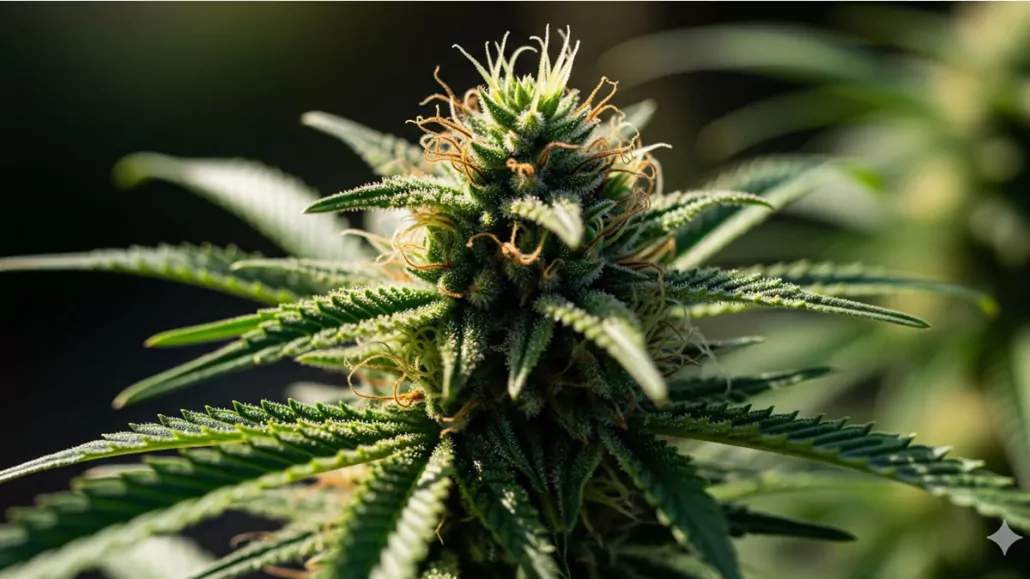
Hemp flower has become a recurring subject in both scientific research and international debate, reflecting its role in cultural history, agriculture, and regulatory frameworks. As studies continue to expand on its classification and composition, the flower is also frequently referenced in discussions about trade, legal standards, and global policy. Mentions appear across a variety of platforms, including research publications, policy papers, and community discussions, with occasional references such as Black Tie CBD Store illustrating how the term enters broader conversations. Examining the flower through the lens of science and global dialogue provides a clearer understanding of why it remains a significant point of focus today.
The Science Behind Hemp Flower One Must Know
The science of hemp flower is grounded in its botanical and chemical characteristics, which distinguish it from other varieties of the cannabis plant.
The flower comes from Cannabis sativa and is primarily identified by its low concentration of delta-9 tetrahydrocannabinol (THC), typically at or below the 0.3% threshold defined in many jurisdictions.
Instead, it contains a diverse range of cannabinoids, terpenes, and flavonoids that contribute to its overall chemical profile. Scientific analysis of the flower often involves chromatography and spectrometry, tools that allow researchers to separate and identify these compounds in detail.
Beyond cannabinoids, the flower has been studied for its fiber and seed content, highlighting its broader role in agriculture and industrial use.
This scientific lens shows that the flower is more than a cultural or legal concept—it is also a subject of ongoing classification, research, and international standards-setting.
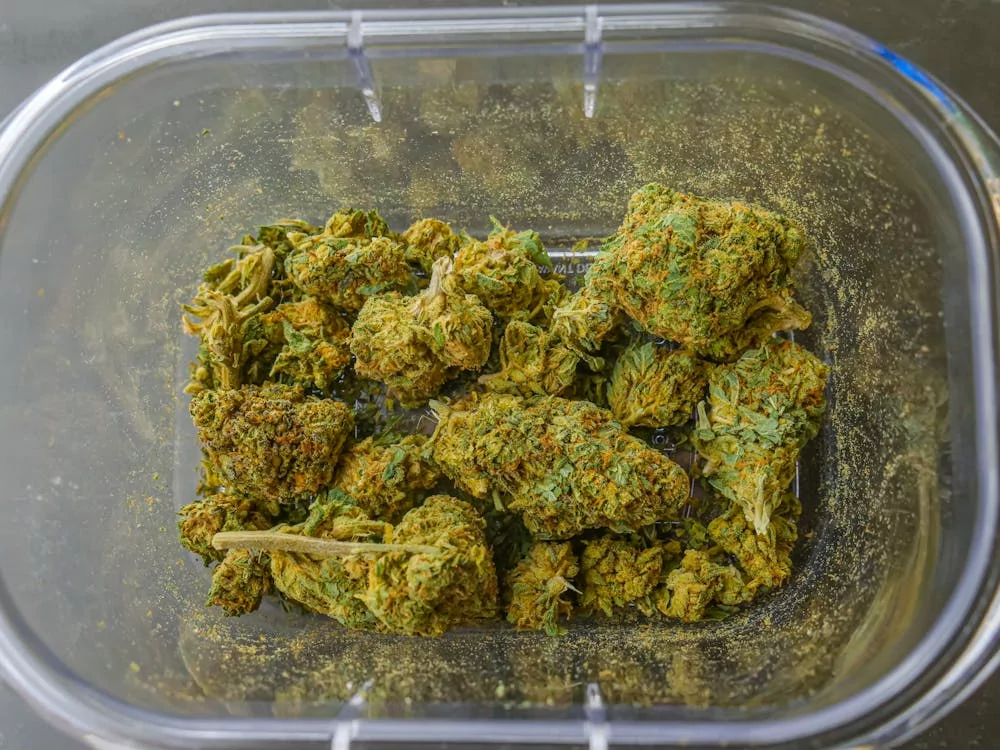
Global Discussions Surrounding Hemp Flower
International classification of hemp under global treaties
One of the central global discussions surrounding the flower involves its classification under international treaties. The United Nations’ Single Convention on Narcotic Drugs of 1961, along with subsequent amendments, placed cannabis under strict controls but did not clearly separate it from marijuana.
This lack of distinction created challenges for international trade and regulation, as countries were left to define hemp within their own legal systems. Over time, many nations adopted thresholds, such as the widely recognized 0.3% delta-9 THC limit, to distinguish it from other forms of cannabis.
Variations in THC thresholds across countries
A significant global discussion about hemp flower centers on the variations in THC thresholds used to define it across different countries. While many jurisdictions, such as the United States and Canada, apply a 0.3% delta-9 THC limit, others adopt alternative standards.
For example, the European Union has historically set its threshold at 0.2%, though some member states have adjusted this limit to 0.3% or higher. In countries like Switzerland, thresholds can reach up to 1%, creating further distinctions in how it is classified and traded.
Trade policies affecting hemp flower distribution
Trade policies play a major role in shaping global discussions on hemp flower distribution. Because regulations vary widely between countries, international trade faces challenges related to customs classifications, import and export restrictions, and differing THC thresholds.
Some regions impose strict limits or require detailed certification to verify compliance, while others allow more flexibility in cross-border movement. These differences often lead to disputes over labeling, inspection procedures, and recognition of international standards.
Agricultural practices and global sustainability debates
Agricultural practices linked to hemp flower are a recurring topic in global sustainability debates. As its cultivation expands across different regions, questions arise about land use, crop rotation, soil health, and water consumption. International discussions often examine how its production fits into broader agricultural strategies, particularly in relation to sustainable farming and resource management.
In some countries, it is included in policy frameworks aimed at diversifying crops and reducing reliance on resource-intensive agriculture, while in others it remains tightly controlled within limited programs.
Role of hemp flower in cultural and historical contexts
The role of hemp flower in cultural and historical contexts remains an important part of global discussions. It has been cultivated for thousands of years across Asia, Europe, and the Americas, often valued for its versatility in producing textiles, rope, paper, and other materials.
In many regions, it also carried symbolic and cultural significance, appearing in traditions, rituals, and historical records. The rediscovery of these historical uses has influenced how hemp is understood in contemporary debates, linking modern regulatory and agricultural perspectives to a much older cultural narrative.
Scientific collaboration on hemp research worldwide
Scientific collaboration on hemp research has become a notable aspect of global discussions surrounding the flower. Researchers across different countries are working together to better understand its botanical characteristics, genetic diversity, and chemical composition.
International projects often focus on standardizing methods for analyzing cannabinoids, terpenes, and other plant compounds to ensure consistency in scientific data. Collaboration is also evident in agricultural studies, where comparative research explores how it grows under different climates and soil conditions.
Regional differences in regulatory enforcement
Regional differences in regulatory enforcement form a key part of global discussions about hemp flower. While many countries share similar definitions of hemp based on THC thresholds, the way these rules are applied can vary significantly.
In some regions, enforcement is strict, with detailed inspections, mandatory certifications, and heavy penalties for non-compliance. In others, oversight may be less consistent, leading to uneven application of the law. These differences not only affect local producers but also complicate international trade, as exporters and importers must navigate varying levels of scrutiny.
Economic implications of hemp in international markets
The economic implications of hemp in international markets are a frequent subject of global discussion. As countries establish distinct regulations and trade policies, the flower has become part of broader debates about agricultural exports, industrial use, and market competitiveness.
Variations in THC thresholds, certification requirements, and tariff classifications influence how easily it can move across borders, shaping its role within global commerce. In some regions, it is framed as an agricultural commodity, while in others it is more tightly controlled, creating disparities in production and trade opportunities.
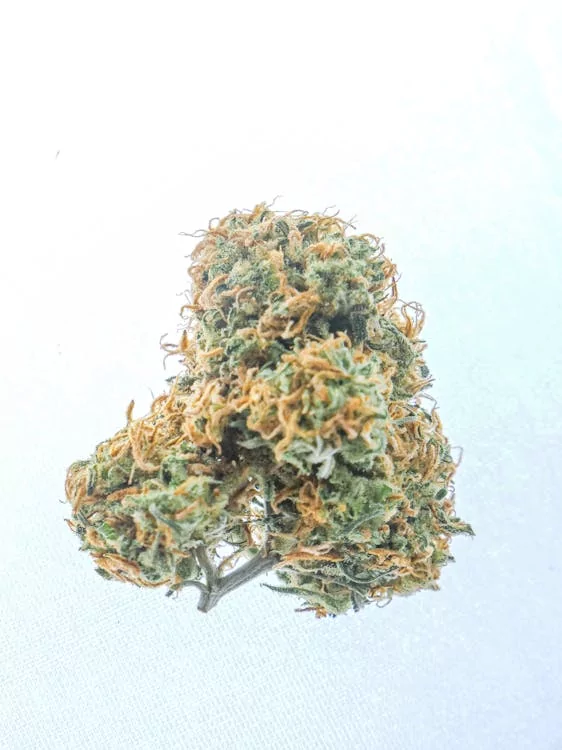
Takeaway
Hemp flower remains a subject of active discussion at the intersection of science, culture, and global regulation. Scientific research continues to shed light on its chemical composition and agricultural characteristics, while international debates highlight the lack of uniformity in definitions, THC thresholds, and enforcement practices. Historical and cultural contexts add further depth, showing how it has long been part of human societies, even as modern frameworks attempt to regulate its role in commerce and trade.

- Recycling Point, Bin, or Kitchen Drawer? What UK Vapers Actually Do With a Dead Device - September 30, 2026
- How Cannabis Operators Should Qualify a Vape Hardware Supplier - September 30, 2026
- From Distillate to Finished Pod: The Quality-Control Steps Behind a Premium CBD Vape - September 30, 2026
Related posts:
 UK Disposable Vape Ban: Fines, Prison for Retailers
 RAZ RYL Classic 35K Disposable Vape Review
 UK “Smokefree Generation” Law to Include Nicotine Pouches
 Talking to Your Child About Vaping: A Parent’s Guide
 Vaping & Nicotine Pouches vs. Smoking: Oral Health Risks Compared
 Texas to Ban Chinese-Made Vapes Under New Law (SB 2024)

