How Campus Culture Can Encourage Vaping
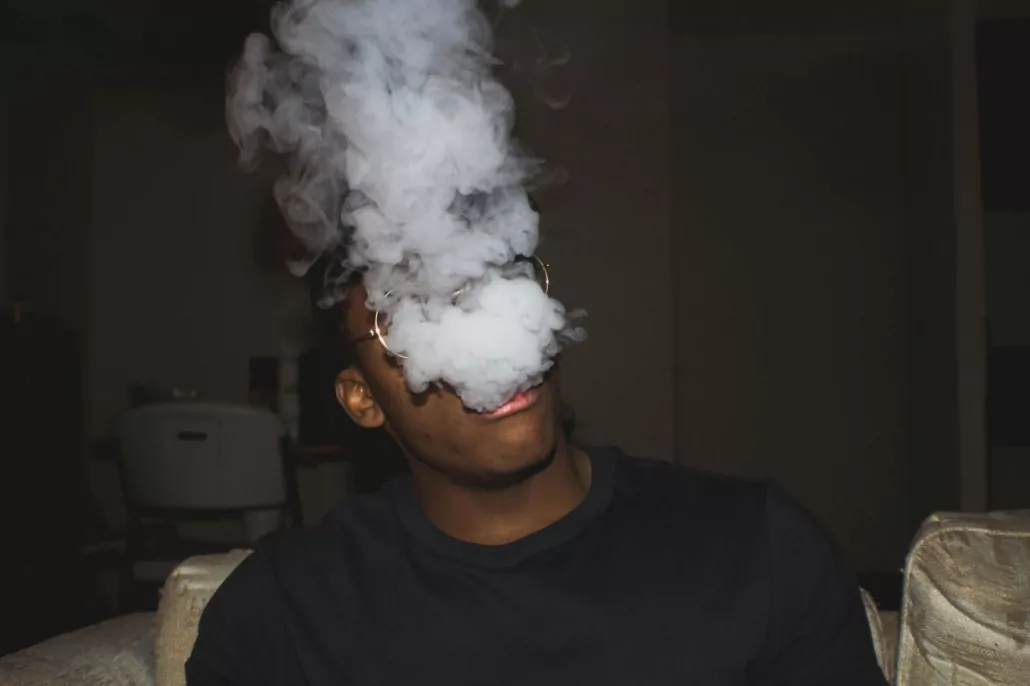
Vaping has become deeply embedded in many college environments across the United States, often in ways that feel subtle, social, and almost invisible at first. While it is commonly framed as an individual choice, the reality is that campus culture plays a major role in shaping how and why vaping spreads among young adults. From peer influence and stress-driven habits to marketing strategies and social normalization, multiple forces work together to make vaping seem like a routine part of campus life.
Understanding these influences is important because college years are a period when habits form quickly and tend to stick. What begins as occasional experimentation in a social setting can gradually turn into dependency. Exploring how campus environments contribute to this pattern helps explain why vaping has become so widespread – and why it is difficult to reverse once it becomes part of everyday routines.
Social Belonging and Peer Influence
One of the strongest drivers of vaping on campus is the desire to belong. College life often revolves around social groups, and shared behaviors become a form of bonding. When vaping is present in friend circles, it can easily become part of group identity – something people do while talking after class, walking across campus, or hanging out in shared spaces.
This influence does not usually come from direct pressure. Instead, it appears through observation and repetition. Seeing others vape in casual, relaxed settings can make the behavior seem normal or even expected. Over time, non-vapers may feel like they are the exception rather than the rule, which increases the likelihood of trying it.
Social media also reinforces this effect. Short videos and posts often depict vaping as trendy, stress-relieving, or aesthetically appealing. These portrayals blend into real-life campus interactions, blurring the line between online influence and offline behavior.
Stress, Academic Pressure, and Coping Habits
In college environments, stress and academic pressure are among the strongest factors influencing coping habits, including vaping. When deadlines accumulate and expectations increase, many individuals look for quick ways to manage anxiety and mental fatigue. For some, vaping becomes a temporary distraction, offering short-lived relief from tension, even though it does not address the underlying causes of stress. However, healthier coping strategies are increasingly important in academic life, especially when workload becomes overwhelming. One of the practical ways to reduce pressure is seeking academic support services, peer study groups, or professional guidance. Students asking for accounting assignment help online can allow learners to better understand complex topics while reducing time stress and improving confidence in coursework. By addressing academic challenges early, it becomes easier to maintain balance and avoid relying on unhealthy coping mechanisms like vaping, ultimately supporting both mental well-being and long-term academic success.
Campus Design and Social Spaces
The physical environment of a campus also plays a role. Many universities have designated smoking or vaping areas, which unintentionally create social hubs. These spaces can function as informal meeting points where conversations start easily and groups form naturally.
Even in institutions with strict anti-vaping policies, enforcement is often inconsistent. This creates a gray area where vaping becomes visible enough to feel accepted but not controlled enough to discourage it.
Outdoor layouts, shared housing, and open communal areas also contribute to exposure. When vaping is seen regularly in everyday spaces, it becomes part of the background of campus life rather than an exception.
Marketing, Accessibility, and Product Appeal
The design and marketing of vaping devices have also made them particularly appealing to younger adults. Sleek designs, flavored options, and compact devices make vaping feel modern and less harmful than traditional smoking, even when health risks remain significant.
Flavored products, in particular, play a major role in attracting first-time users. Sweet or fruity flavors lower psychological resistance and make experimentation feel less serious. Once someone starts using these products socially, continued exposure increases the likelihood of regular use.
Accessibility also matters. Vaping devices are easy to obtain through online platforms or local shops, and they are often shared among peers. This ease of access reduces barriers to entry and accelerates spread within social networks.
Normalization Through Routine Behavior
Perhaps the most powerful factor is normalization. When vaping becomes part of everyday campus routines – between classes, during study breaks, or after exams – it stops feeling like a distinct behavior and starts feeling like background activity.
Normalization is reinforced through repetition. Seeing it during casual interactions, group gatherings, and informal study sessions sends the message that it is simply part of college life. Over time, even those who do not vape may become desensitized to it, making intervention or avoidance less likely.
This normalization is especially strong in transitional environments like college, where individuals are forming new identities and adjusting to independence. Behaviors that help define social identity often gain traction quickly in such settings.
The Role of Misconceptions
Another contributing factor is misinformation or incomplete understanding of risks. Many people associate vaping with being safer than smoking, which can reduce perceived danger. While vaping may reduce exposure to some harmful chemicals found in traditional cigarettes, it is not risk-free and still involves nicotine, which is addictive.
Misunderstandings about long-term effects can lead to underestimating potential health consequences. When combined with social acceptance, this perception gap makes vaping seem like a low-stakes habit, even when dependency can develop quickly.
Breaking the Cycle
Addressing vaping in campus environments requires more than rules or restrictions. Since much of the behavior is socially driven, effective solutions often involve changing norms rather than simply limiting access.
Awareness campaigns that focus on real-life consequences, peer-led education, and accessible mental health support can help reduce reliance on vaping as a coping tool. Creating alternative social spaces where vaping is not central can also shift group dynamics over time.
Importantly, support systems should avoid judgment-based messaging. Habits formed in social environments are difficult to change through criticism alone. More effective approaches focus on understanding triggers, offering healthier coping strategies, and reinforcing environments where non-use is equally normalized.
Conclusion
Campus culture influences vaping far more than individual choice alone. Social belonging, stress, environmental design, marketing, and normalization all interact to shape behavior in subtle but powerful ways. Once vaping becomes woven into daily routines and social interactions, it can feel almost invisible – even when its effects are significant.
Recognizing these underlying factors is essential for understanding why vaping spreads so easily in college settings. More importantly, it highlights that meaningful change depends not only on individual decisions but also on reshaping the environments and expectations that make the behavior feel ordinary in the first place.

- Recycling Point, Bin, or Kitchen Drawer? What UK Vapers Actually Do With a Dead Device - September 30, 2026
- How Cannabis Operators Should Qualify a Vape Hardware Supplier - September 30, 2026
- From Distillate to Finished Pod: The Quality-Control Steps Behind a Premium CBD Vape - September 30, 2026