
E-Cigarettes Help Mental Health Patients Quit Smoking: Study
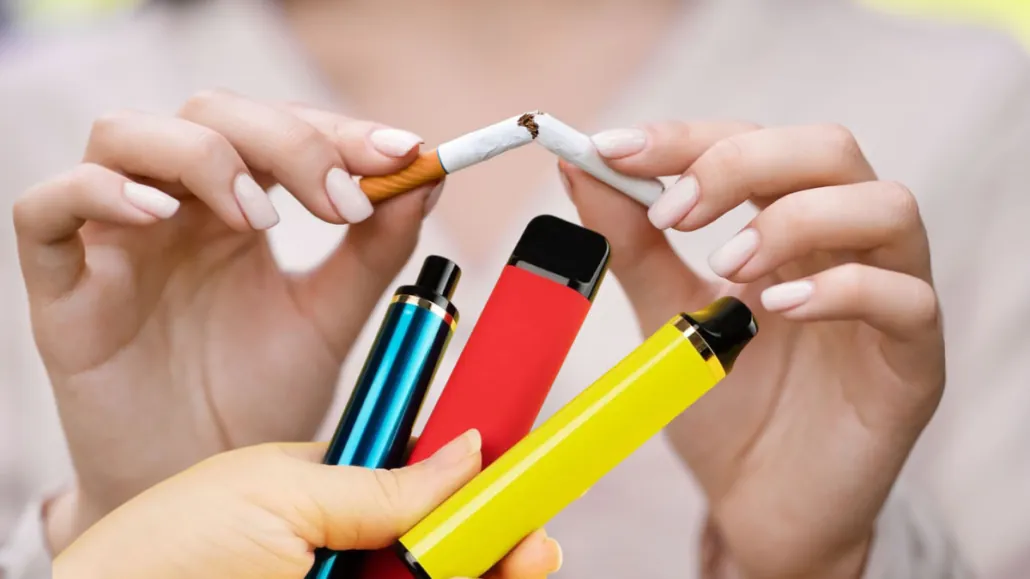
Patients with severe mental disorders face a mortality gap of up to 25 years compared to the general population, largely due to smoking-related diseases. A new study led by the Spanish Dual Pathology Foundation (SEPD) challenges the traditional “quit or die” approach, revealing that 73% of these patients never receive effective cessation treatment. The findings suggest that electronic cigarettes serve as a critical “harm reduction” tool, offering efficacy rates comparable to pharmaceutical interventions like varenicline for this high-risk demographic.
Research Snapshot: The TUT-ESP Study
- The Crisis: Over 71% of patients in mental health units suffer from Tobacco Use Disorder (TUD).
- The Failure: Traditional pulmonology approaches fail to treat 73% of these dual-pathology patients.
- The Solution: Vaping provides a necessary nicotine delivery system without the combustion toxins, bridging the gap for those unable to quit cold turkey.
Core Finding: Why Traditional Cessation Fails
The medical community has long treated smoking cessation as a purely respiratory issue, ignoring the neurological reality of mental illness. Dr. Néstor Szerman of the Gregorio Marañón Hospital argues that for patients with chronic psychosis, nicotine functions differently in the brain. It is not just a habit; it is often a form of self-medication.
The TUT-ESP study highlights a systemic failure: pulmonologists typically aim for total cessation. However, because the brain mechanisms of addiction in dual-pathology patients are more complex, this rigid approach leaves the majority without support. Consequently, these patients continue to smoke combustible tobacco, directly contributing to their significantly reduced life expectancy.
Clinical Evidence: Vaping as a Therapeutic Bridge
Data published in Nicotine & Tobacco Research supports a shift toward “Harm Reduction Therapy.” The evidence indicates that smokers who fail to quit via willpower but introduce e-cigarettes are more likely to achieve cessation at the one-year mark. Even for those who become “dual users” (smoking and vaping), the substantial reduction in combustible tobacco intake lowers their exposure to carcinogens.
Expert Insight:
“We must prioritize scientific evidence over morality. Patients demand answers. The evidence supports [vaping] as an efficient tool for people with dual pathology.” — Dr. Néstor Szerman, President of the Spanish Dual Pathology Foundation.
Comparison: Harm Reduction vs. Traditional Treatment
Understanding the shift in medical philosophy is crucial for caregivers and patients.
| Approach | Traditional Model | Harm Reduction Model (SEPD) |
|---|---|---|
| Philosophy | “Quit or Die” (Total Abstinence) | Minimize Toxic Exposure |
| Primary Tool | Willpower / Varenicline | E-cigarettes / Nicotine Pouches |
| Success Metric | Zero Nicotine Intake | Reduced Mortality Risk |
Is vaping recommended for psychiatric patients?
Leading experts in dual pathology now advocate for it. While not risk-free, vaping is viewed as a necessary “harm reduction” tool for patients who cannot quit smoking, potentially extending life expectancy by reducing toxic smoke exposure.

- Which States Still Grow America’s Tobacco? The Post-Buyout Era - June 17, 2026
- Pennsylvania: Pittsburgh Passes Strict Vape Shop Zoning Bill - June 10, 2026
- Ohio: Yellow Springs Halts New Smoke Shops with 180-Day Freeze - June 10, 2026
Related posts:
 Is Vaping While Driving Illegal in North Carolina?
 Understanding China’s Vape Regulations: Everything You Need to Know
 Critics Warn Illinois Indoor Vaping Ban Could Backfire
 Air Bar Mini Review – Pocket-Sized Powerhouse of Flavor
 Study Supports Providing Free Vapes to Help Smokers Quit
 What is Disposable Vape and How it Works

