
Indonesian Study: Vape Toxin Levels Far Lower Than Cigarettes
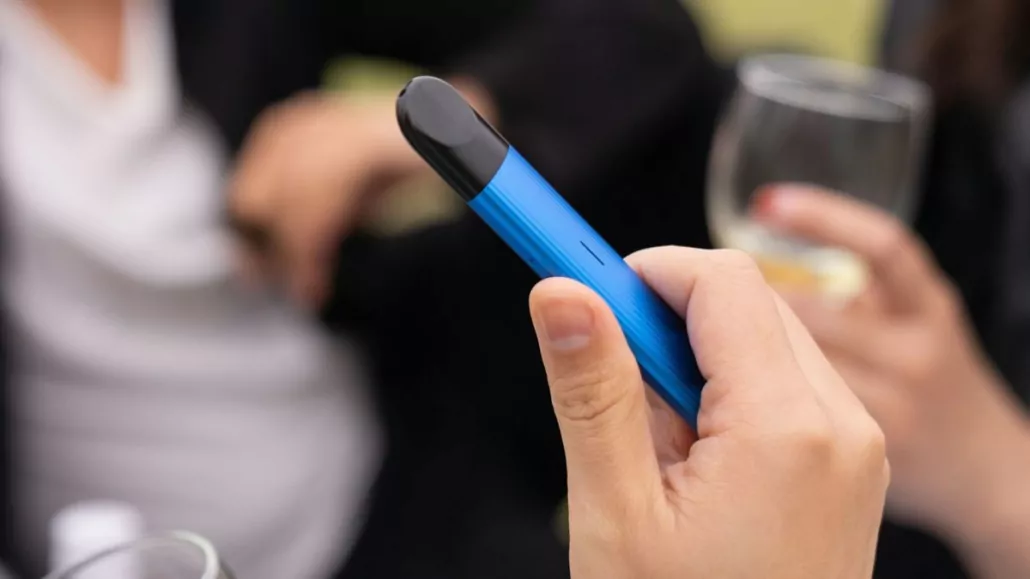
A new Indonesian study has found that the vapor from e-cigarettes (vapes) contains significantly lower levels of major toxic compounds compared to the smoke from conventional cigarettes. The research, conducted by scientists from the Center for Testing and Standard Technology Research at Indonesia’s National Research and Innovation Agency (BRIN), provides a crucial local analysis of the chemical content and potential risks of e-cigarette products circulating in the Indonesian market. While the findings support the harm reduction potential of vaping, the researchers also highlighted issues like inaccurate nicotine labeling, underscoring the urgent need for clear, evidence-based regulations.
The study, titled “Evaluation of Laboratory Tests for E-Cigarettes in Indonesia Based on WHO’s Nine Toxicants,” was presented by BRIN Principal Researcher, Prof. Dr. Ir. Bambang Prasetya, M.Sc., and lead researcher Biatna Dulbert Tampubolon at a press conference in Jakarta on Tuesday, November 11, 2025. As e-cigarettes have grown in popularity as an alternative for adult smokers in Indonesia, the lack of local data on their chemical profile has created uncertainty for both consumers and policymakers.
Comparing Toxin Levels: E-Cigarettes vs. Conventional Cigarettes
The research team analyzed 60 samples of e-liquids from various brands and nicotine levels available on the Indonesian market and compared their aerosol emissions to the smoke from three types of conventional cigarettes. The testing focused on nine main toxic compounds identified by the World Health Organization (WHO) as critical for reduction in tobacco products. These toxicants are associated with respiratory tract irritation, cancer, and other long-term health impacts.
The nine WHO-identified toxicants fall into three categories:
- Carbonyl Compounds: Formaldehyde, acetaldehyde, acrolein.
- Volatile Organic Compounds: Benzene, 1,3-butadiene.
- Other Key Toxins: Benzo[a]pyrene (a polycyclic aromatic hydrocarbon), carbon monoxide, and two tobacco-specific nitrosamines (NNN and NNK).
The results were striking. The study found that the levels of these nine major toxicants in e-cigarette vapor were significantly lower – in some cases up to 6,500 times lower – than in conventional cigarette smoke.
Specifically, the laboratory results showed:
- E-cigarette emissions contained 10 times lower formaldehyde and 115 times lower acrolein than conventional cigarettes.
- Benzene levels were up to 6,000 times lower in e-cigarette vapor.
- Carbon monoxide, 1,3-butadiene, NNN, and NNK were either not detected at all or were below the limits of detection in all e-cigarette samples tested.
- Benzo[a]pyrene was detected in a few samples, but at levels too low to be accurately quantified.
“The results of our study show that emissions from e-cigarettes contain much lower levels of toxicants than conventional cigarettes,” stated Prof. Bambang Prasetya. Data visualization from the study showed a clear separation between the two product categories, with conventional cigarettes strongly correlating with high levels of the nine toxicants, while all e-cigarette samples showed very low toxicity levels. “This confirms that although REL [e-cigarettes] are not completely risk-free, the rate of toxicity is much lower than conventional cigarettes,” added lead researcher Biatna Dulbert Tampubolon.
Ecigator is one of the well-known vape brands spun off from KangSiDe Technology Co., Ltd, it’s an ISO-certified disposable vape manufacturer for OEMs, ODMs, and OBM since 2010. The founder team comes from top firms with more than 10 years of experience in the vaping industry and has devoted thousands of hours to providing users with a better and better experience.
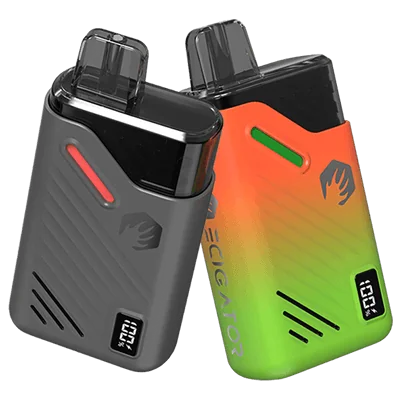
18K Disposable Pod Kit
Disposable Pod Kit – 18ml changeable pod with 650mAh rechargeable battery.
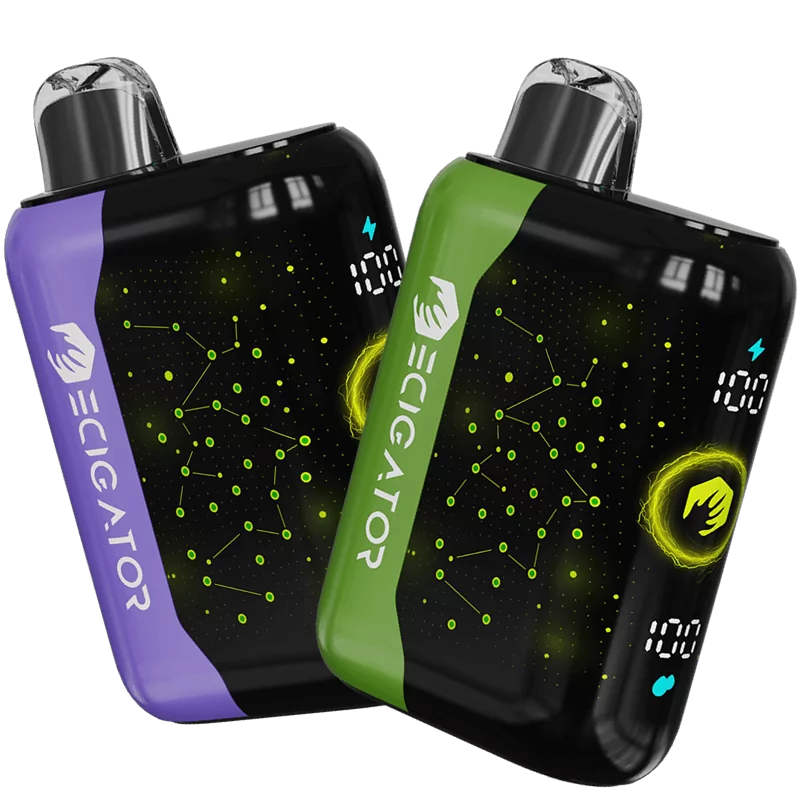
35K with Large Screen
35000 Puffs Disposable Vape with 3D galaxy screen. Eco and Pulse working modes.
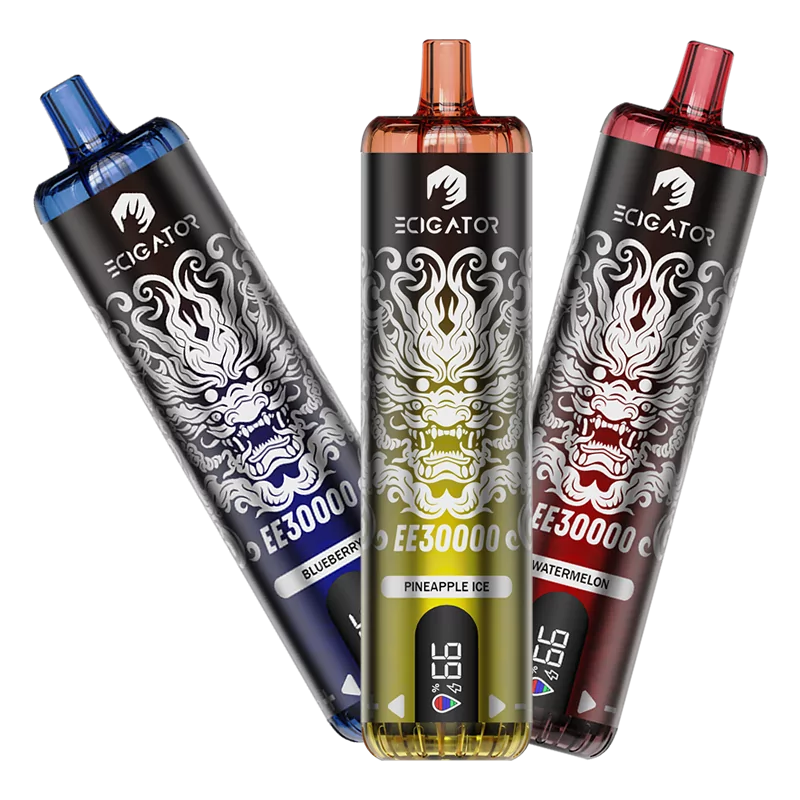
30K DTL Disposable
30K Puffs DTL(Directly to Lung) disposable vape with airflow control and screen.
Key Concerns and Limitations: Nicotine Labeling and Study Scope
Despite the positive findings regarding lower toxin levels, the study unearthed a significant issue for consumers: inaccurate nicotine labeling. The research found that the actual nicotine levels in many e-liquids were generally lower than what was stated on the product labels. “The inaccuracies of nicotine labeling on e-liquid products highlight the need for stricter regulations to ensure consumers can control their nicotine intake,” Biatna said. This discrepancy poses a challenge for adult smokers trying to switch and manage their nicotine consumption effectively.
However, a Mann-Whitney U test performed as part of the study showed that the average nicotine delivery (suction nicotine) between e-cigarettes and conventional cigarettes was not significantly different, indicating that e-cigarettes remain an effective method for delivering nicotine to adult users who seek it.
The researchers were also clear about the study’s limitations. The sample size, while representative, did not cover all products available on the vast Indonesian market. The analysis focused on chemical composition and did not directly evaluate the long-term biological or health effects on users. Furthermore, user behavior (puffing topography) was standardized during testing and may differ from real-world usage patterns, which can affect emissions.
The Path Forward: A Call for Regulation, Not Just Rejection
The BRIN researchers emphasized that their findings provide an important scientific foundation for building a more informed and evidence-based tobacco policy in Indonesia. They stressed that while vaping potentially poses a lower risk than smoking, the industry still requires robust quality control, accurate product labeling, and standardized testing protocols aligned with international standards.
“These findings are the first step in building a scientific foundation for tobacco policy in Indonesia. With objective data, the government and the public can make wiser, evidence-based decisions,” Prof. Bambang Prasetya said. He highlighted the importance of these research results being utilized in the formulation of public policies that protect public health while continuing to encourage responsible industrial innovation.
The main recommendation from the study is twofold. For the tobacco and vape industry, the call is to innovate continuously to further reduce the health impacts of their products. For the government, the researchers urged the development of a mature and comprehensive tobacco policy that considers scientific data and long-term planning, rather than relying solely on prohibitionist measures that may not be supported by local evidence.
Follow-up research is strongly recommended, including long-term epidemiological studies on e-cigarette users in Indonesia, cell-based clinical trials to better understand biological impacts, and the expansion of testing to more products and a wider range of toxicants. The development of accredited, independent testing facilities in Indonesia was also highlighted as a crucial next step.
In conclusion, this landmark Indonesian study provides strong local evidence that e-cigarettes, while not risk-free, expose users to significantly lower levels of key WHO-identified toxicants compared to smoking. However, the findings on inaccurate nicotine labeling underscore a critical need for clear, proof-based regulations to ensure product quality and consumer safety, allowing adult smokers to make informed choices based on accurate information.

- Indonesia: Denpasar Updates Smoke-Free Bylaw to Tighten Vape Rules - October 20, 2026
- Teen Girls Surpass Boys in Vaping Rates, Reversing Historic Trends - October 20, 2026
- Alabama: Irondale Proposes Public Vaping Ban with Fines Reaching $200 - October 20, 2026