
New Zealand Vaping Trends 2024-25: Prevalence Stabilizes
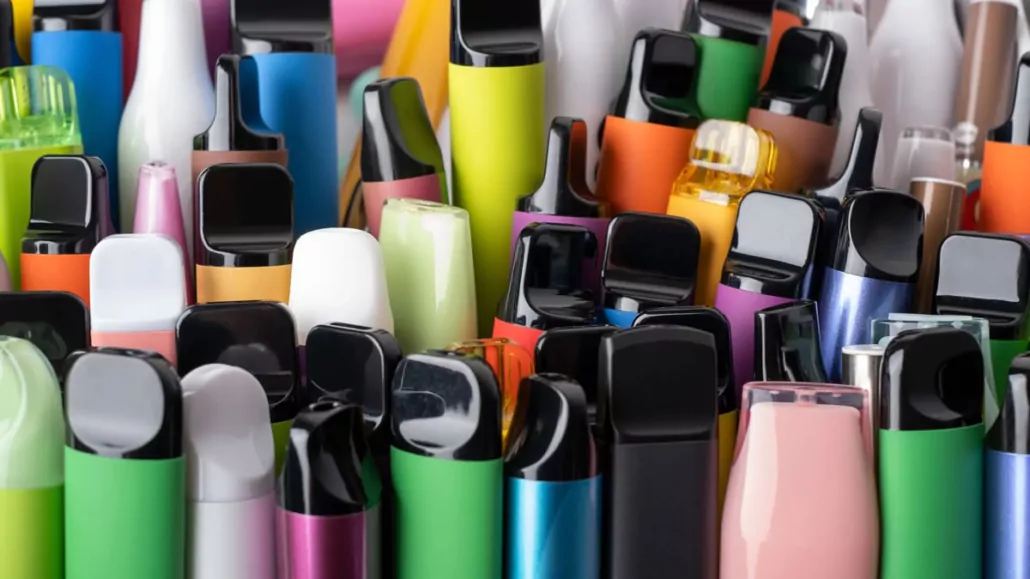
The landscape of nicotine consumption in New Zealand is undergoing a significant transformation. The release of the New Zealand Health Survey (NZHS) data for 2024/2025 offers a crucial snapshot of the nation’s vaping habits, revealing a complex picture of stabilization in overall rates alongside persistent and concerning disparities among specific demographic groups. While the rapid year-on-year increases seen previously appear to have plateaued, the high prevalence of daily vaping among young people, Māori, and Pacific peoples remains a critical public health challenge. This article delves into the key findings of the survey, explores the interplay between smoking and vaping trends, and examines the potential impact of recent and future regulatory measures.
Overall Vaping Prevalence: A Plateau After Rapid Growth
The 2024/25 survey data indicates that the surge in vaping may be leveling off. Daily vaping prevalence among adults aged 15 and over was 11.7%, a figure statistically similar to the 11.1% recorded in 2023/24. This represents an estimated 509,000 people vaping daily across the country. While this stabilization is noteworthy, it is important to contextualize it against the longer-term trend: daily vaping has more than tripled since 2019/20, when prevalence stood at just 3.5%.
Similarly, the rates for “at least monthly” and “ever tried” vaping showed no significant change between the last two survey periods. Interestingly, the data highlights a strong conversion to regular use, with 85% of those who vape at least monthly doing so on a daily basis. This suggests that for the majority of users, vaping is a habitual, likely nicotine-dependent, behavior rather than an occasional social activity.
The Youth Vaping Crisis: High Rates Among 18-24 Year Olds
One of the most striking findings continues to be the stark age gradient in vaping habits. Vaping is overwhelmingly more common among younger cohorts.
- 18-24 Year Olds: This group has the highest prevalence, with 23.0% vaping daily. While this is a slight (non-significant) decrease from the previous year, it means nearly one in four young adults are daily vapers.
- 25-34 Year Olds: Prevalence remains high at 20.5%.
- 15-17 Year Olds: Daily vaping in this adolescent group was estimated at 13.6%, an increase from 10.3% the previous year (though not statistically significant due to sample size limitations). This upward trajectory from just 2.6% in 2019/20 is a major cause for concern.
Combined, these figures mean that approximately 138,000 young people aged 15-24 are vaping daily, accounting for over a quarter of the total daily vaping population. This concentration of use among youth underscores the urgency of the regulatory measures aimed at curbing uptake in these age groups.
Smoking vs. Vaping: A Shift in Nicotine Consumption
The relationship between smoking and vaping is central to the harm reduction debate. The survey data shows a clear divergence: as daily smoking rates have fallen, daily vaping rates have risen. However, the total daily nicotine use (smoking or vaping) has actually increased from 14.7% in 2017/18 to 17.1% in 2024/25.
This trend is particularly pronounced among 15-24 year olds. While smoking has decreased, the absolute increase in vaping has been substantially larger. This suggests that vaping is not merely replacing smoking for existing users but is likely recruiting new users who might otherwise have been nicotine-free. The prevalence of daily smoking or vaping in this age group has risen markedly from around 13-15% in the 2017-2020 period to 22.6% today.
Significant Ethnic and Socio-Economic Disparities
The burden of vaping is not shared equally across the population. The data reveals profound inequities based on ethnicity and neighborhood deprivation.
Ethnicity
Daily vaping rates are disproportionately high among Māori and Pacific peoples:
- Māori: 27.5% daily vaping prevalence. After adjusting for age and gender, Māori are over 2.5 times more likely to vape daily than non-Māori.
- Pacific Peoples: 20.0% daily vaping prevalence. Adjusted data shows they are almost 1.5 times more likely to vape daily than non-Pacific peoples.
When combining smoking and vaping, the disparities are even more stark. The prevalence of daily nicotine use is 38.8% for Māori and 28.1% for Pacific peoples. While daily smoking has fallen among Māori, the overall nicotine use has risen since 2021/22 due to the rapid uptake of vaping.
Deprivation
There is a clear social gradient in vaping habits. Daily vaping prevalence is nearly three times higher in the most deprived neighborhoods (Quintile 5: 21.1%) compared to the least deprived (Quintile 1: 7.2%). After adjustment, people in the most deprived areas are more than twice as likely to vape daily. This mirrors historical trends seen with tobacco smoking, raising concerns that vaping may be entrenching health inequalities.
Policy Implications and Future Outlook
The stabilization of vaping rates in 2024/25 suggests that the rapid growth phase may be slowing, potentially influenced by regulatory changes introduced in 2023/24. These included restrictions on specialist vape store locations and flavor names. However, the full impact of the more stringent regulations implemented in June 2025, such as the ban on disposable vapes and new nicotine limits, is not captured in this survey data.
The findings present a complex challenge for policymakers. On one hand, vaping serves as a less harmful alternative for adult smokers who cannot quit nicotine. On the other, the high prevalence among youth and non-smokers poses risks to physical and mental well-being and suggests a new generation is becoming dependent on nicotine. The fact that total nicotine use is rising among youth indicates that vaping is doing more than just displacing smoking.
The report concludes that unless the recent 2025 regulations lead to a substantial and equitable reduction in vaping prevalence, further measures will be necessary. These could include:
- Stricter Flavor Restrictions: Further limiting flavors to reduce appeal.
- Excise Taxes: Introducing specific taxes to reduce the affordability of cheap vaping products.
- Reduced Accessibility: Ending sales in non-specialist retailers like dairies (convenience stores), service stations, and supermarkets to limit availability.
As New Zealand continues to navigate its smokefree goals, the focus must remain on balancing harm reduction for smokers with robust protection for youth and vulnerable communities.

- Quebec Expands Smoking Cessation but Excludes Vapes - October 24, 2026
- EAEU Regulations Threaten to Overturn Kazakhstan’s Vape Ban - October 23, 2026
- North Yorkshire Steps Up Vape Crackdown & Theme Park Bans - October 23, 2026
Related posts:
 New Zealand’s Approach to Vaping Regulations: A Comparison with Australia’s Ban
 Ireland Fines Selling Vapes at Children’s Events €2,000
 Which Countries Are Leading the Global Decline in Smoking?
 New Study Ranks US States by Adult Vaping Rates 2024
 Russia E-Cigarette Users Surge 19% to 5.3M in 2024
 New Zealand Faces Concerns Over Emerging Nicotine Pouch Trend

