
Guide to Manufacturing Vapes in China: Suppliers, Process & Import Logistics
Electronic cigarettes have transformed from a niche gadget into a $22 billion global industry, and China remains the undisputed engine room of this revolution. For businesses looking to enter the market, understanding the manufacturing landscape in Shenzhen and Dongguan is not just optional—it is critical for survival. This comprehensive guide dismantles the entire supply chain, from the chemistry of atomization to the logistics of customs clearance, ensuring you have the actionable intelligence needed to navigate the world’s largest vape production hub.
Key Takeaways
- Market Trajectory: The global vape market is projected to surge from $22.17 billion (2022) to $168.96 billion by 2030, driven by a 28.9% CAGR.
- Manufacturing Hub: China dominates production, offering end-to-end solutions from OEM (Original Equipment Manufacturing) to ODM (Original Design Manufacturing).
- Quality Control: Rigorous testing—including battery safety, leak proofing, and chemical stability—is the only barrier between a successful brand and a product recall.
- Import Logistics: Successfully importing requires navigating complex customs protocols, including Certificates of Origin and compliance with evolving international safety standards (CE, RoHS).
- Supplier Vetting: Finding a reliable partner involves more than a Google search; it requires factory audits, sample stress-testing, and verifying production capacity.
- Ecigator Advantage: Top-tier suppliers like Ecigator distinguish themselves through R&D dominance, rigorous QC systems, and robust after-sales support.
The Mechanics of Vaping: Why the Technology Matters
To manufacture a superior product, you must first understand the physics of atomization. Vapes are not smoke machines; they are sophisticated aerosol generators. The core mechanism involves a battery powering a heating element (the coil) inside an atomizer. This coil heats a specific e-liquid solution—typically a mix of propylene glycol (PG), vegetable glycerin (VG), nicotine, and flavorings—until it reaches its vaporization point.
Our analysis shows that the market is shifting towards “smart” atomization. Modern devices don’t just heat liquid; they regulate temperature to prevent “dry hits” (burning the cotton wick) and ensure consistent nicotine delivery. Understanding these internal mechanics is crucial when discussing specifications with a Chinese engineer. If you don’t know the difference between a ceramic coil and a mesh coil, you cannot optimize your product for flavor or longevity.
Product Architecture: From Disposables to Mods
The vape market is segmented by user experience. Choosing the right form factor is the first step in your manufacturing journey.
The Disposable Revolution
Disposable vapes currently dominate the entry-level market due to their convenience. They come pre-charged and pre-filled. In China, manufacturing lines for these are highly automated.
Common Shapes:
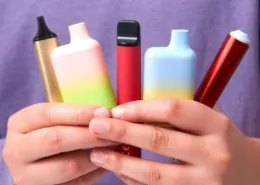
- The “Stick”: A classic design with the battery on one side and the atomizer/reservoir on the other. Simple and cost-effective.
- The “Pen”: Cylindrical and slim, mimicking the tactile feel of a thick pen. Popular for stealth vaping.
- The “Box”: Wider and thicker, designed to house larger batteries and reservoirs for “high puff count” devices (5000+ puffs).
Open Systems (Pods & Mods)
For long-term users, open systems offer customization.
- Pod Systems: Compact devices using replaceable cartridges. They balance convenience with performance.
- Box Mods: The heavyweights of the industry. These allow users to control wattage and temperature. Manufacturing these requires higher precision in electronics and assembly.
The Manufacturing Process: Inside the Factory
Manufacturing a vape in China is a multi-stage orchestration of engineering and assembly. It is not as simple as “putting parts together.”
Mandatory Retailer Licensing
Before a single unit is made, engineers design the airflow capability and circuit logic. You will receive a 3D-printed prototype to test ergonomics.
Phase 2: Component Sourcing
The factory sources batteries (often cobalt-based for high discharge), PCBs (printed circuit boards), and casing materials. Expert Note: Always specify the battery brand. Generic batteries are the #1 cause of device failure.
Phase 3: Clean Room Assembly
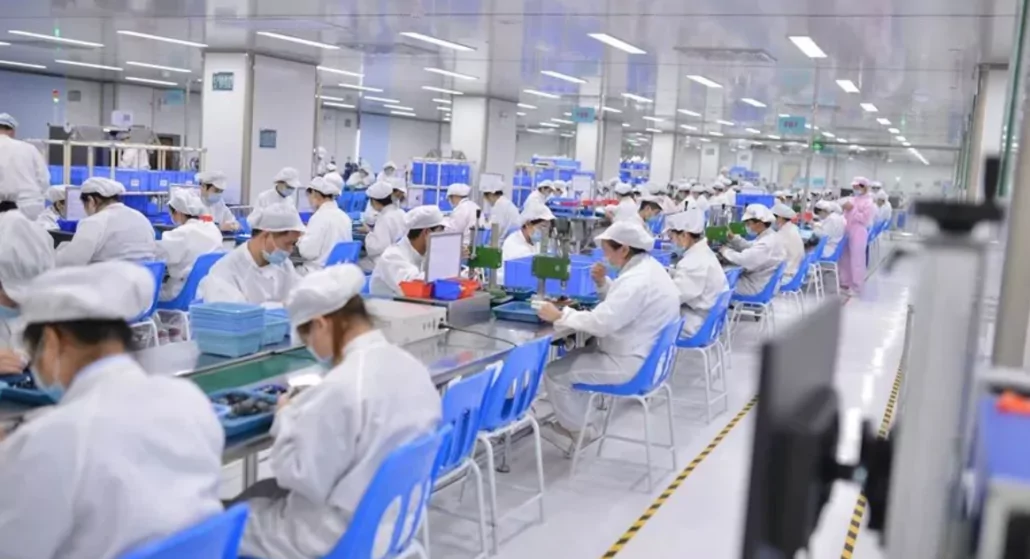
Vapes are assembled in dust-free environments to prevent contamination. Workers assemble the atomizer, connect the battery, and seal the tank.
Phase 4: The “Aging” Test
Finished batteries and devices often undergo an “aging” process where they are charged and discharged to ensure stability. This is a critical QC step that cheap manufacturers skip.

Customization: OEM vs. ODM
When approaching a Chinese manufacturer, you will hear two acronyms constantly: OEM and ODM. Knowing the difference is vital for your IP (Intellectual Property) strategy.
| Feature | OEM (Original Equipment Manufacturer) | ODM (Original Design Manufacturer) |
|---|---|---|
| Definition | You provide the design; they manufacture it. | They provide the design; you brand it. |
| IP Ownership | You own the design rights. | The factory owns the design rights. |
| Time to Market | Slower (Requires tooling & prototyping). | Fast (Product is ready-made). |
| Cost | Higher initial investment (Molds). | Lower initial investment. |
| Best For | Established brands wanting unique products. | New brands wanting quick market entry. |
How to Vet Suppliers: The “Trust but Verify” Protocol
Finding a supplier is easy; finding a reliable one is hard. Here is the protocol we recommend for 2026:
Digital Due Diligence
Don’t just rely on Alibaba. Check their official website. Is it professional? Do they showcase their factory floor? Cross-reference their business license with Chinese government databases to ensure they are a manufacturer, not a trading company.
The Sample Stress Test
Never place a bulk order without testing samples. But don’t just “try” them. Stress test them. Drop them. Overcharge them. Leave them in a hot car. See how they fail. A good manufacturer’s product will survive reasonable abuse.
Factory Audits
If you can’t visit China, hire a third-party inspection agency (like SGS or Intertek). They will visit the factory, check the “clean room” standards, verify the number of production lines, and ensure the company actually exists at the listed address.
Certifications
Ask for their ISO 9001 (Quality Management) and GMP (Good Manufacturing Practice) certificates. For the product itself, ensure they have CE, RoHS, and FCC certifications, which are mandatory for selling in Western markets.
Quality Control: The Hidden Dealbreaker
Quality Control (QC) is where profit margins are saved or lost. A 2% failure rate might sound low, but if you order 10,000 units, that is 200 angry customers and bad reviews.
Key QC Checkpoints:
- Battery Safety: Short-circuit protection and overcharge protection tests.
- Leak Resistance: Vacuum testing to simulate air pressure changes (crucial for air freight).
- Puff Consistency: Machine testing to ensure the first puff tastes the same as the last.
- Aesthetic Inspection: Checking for scratches, print alignment, and packaging integrity.
Why Ecigator Stands Out
In a sea of manufacturers, Ecigator has positioned itself as a premier partner. Their advantage lies in a holistic approach:
- R&D Powerhouse: They don’t just copy trends; they set them. Their design team understands global aesthetics and ergonomics.
- Rigorous QC: Their system covers the entire lifecycle, from raw material inspection to pre-shipment checks.
- After-Sales Integrity: Unlike “ghost” suppliers who vanish after payment, Ecigator offers robust warranty support and troubleshooting.
- Market Intelligence: They provide partners with industry updates, helping you stay ahead of regulatory shifts and flavor trends.
The Import Guide: navigating Customs and Logistics
Getting the product made is only half the battle. Getting it into your country is the other half.
Market Research & Compliance
Before you ship, know your local laws. The US has the PMTA process; the EU has TPD (Tobacco Products Directive). Ensure your product meets these legal standards before it leaves China.
The Logistics Partner
Do not try to handle shipping yourself. Use a freight forwarder who specializes in “dangerous goods” (batteries and liquids). They will handle the complex labeling requirements for lithium batteries.
Customs Clearance
Prepare your paperwork religiously. You will need:
- Commercial Invoice: Detailed value of goods.
- Packing List: Exact weights and dimensions.
- Bill of Lading: The receipt of shipment.
- Certificate of Origin: To determine tariff rates.
- MSDS (Material Safety Data Sheet): Crucial for batteries and e-liquids.
Failure to provide these can lead to your shipment being seized or destroyed.

- Philippines Mandates Safety Certification for Nicotine Pouches - October 12, 2026
- Poland’s Vape Tax Dispute Exposes Inflated Claims and Foreign Loopholes - October 12, 2026
- Turkey to Require National ID Numbers for Tobacco and Cigarette Sales - October 12, 2026
Related posts:
 Mexico Advances Reform to Ban Vape Production
 Smoking Laws in South Africa: Standardised Plain Packaging
 Airis Alpha Touch 20000 Disposable Vape Review
 Ireland Vape Tax Expected in Budget 2025 as Talks Continue
 Quit Smoking in 2026: Health Benefits & Best Cessation Tools
 Texas Passes Revised Vape Bill, Banning E-Liquids from China and “Hostile Nations”

