
How Are Vapes Manufactured? A Step-by-Step Guide
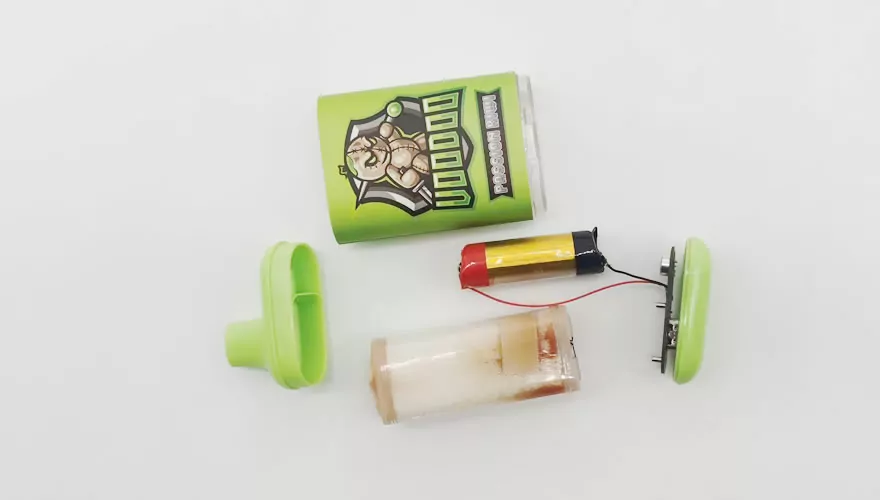
Vapes are manufactured through a meticulous multi-step process involving the precise assembly of key components like lithium-ion batteries, heating coils, wicking materials, and e-liquid tanks within a specialized casing. The process spans from initial design and prototyping to component sourcing, automated and manual assembly, rigorous quality control testing, and final packaging to ensure safety and performance.
Key Takeaways:
- Core Components: Battery, coil (heating element), wick, e-liquid, and casing.
- Design Phase: Critical for aesthetics, functionality, and user experience.
- Assembly: Involves soldering batteries, installing sensors, and filling e-liquid.
- Quality Control: Rigorous testing for leakage, battery safety, and vapor production.
Vape manufacturing refers to the industrial process of creating electronic cigarettes, transforming raw materials and electronic components into the finished devices used by millions worldwide. As e-cigarettes continue to gain popularity as an alternative to traditional tobacco, understanding the complexity behind their production offers valuable insight into product safety and quality. This article provides a comprehensive overview of the e-cigarette manufacturing journey, shedding light on the intricate engineering and quality assurance measures involved.
Deconstructing the Device: Key Components of a Disposable Vape
Before diving into the assembly line, it’s essential to understand the anatomy of a vape. A standard disposable device is an ecosystem of interacting parts, each playing a vital role.
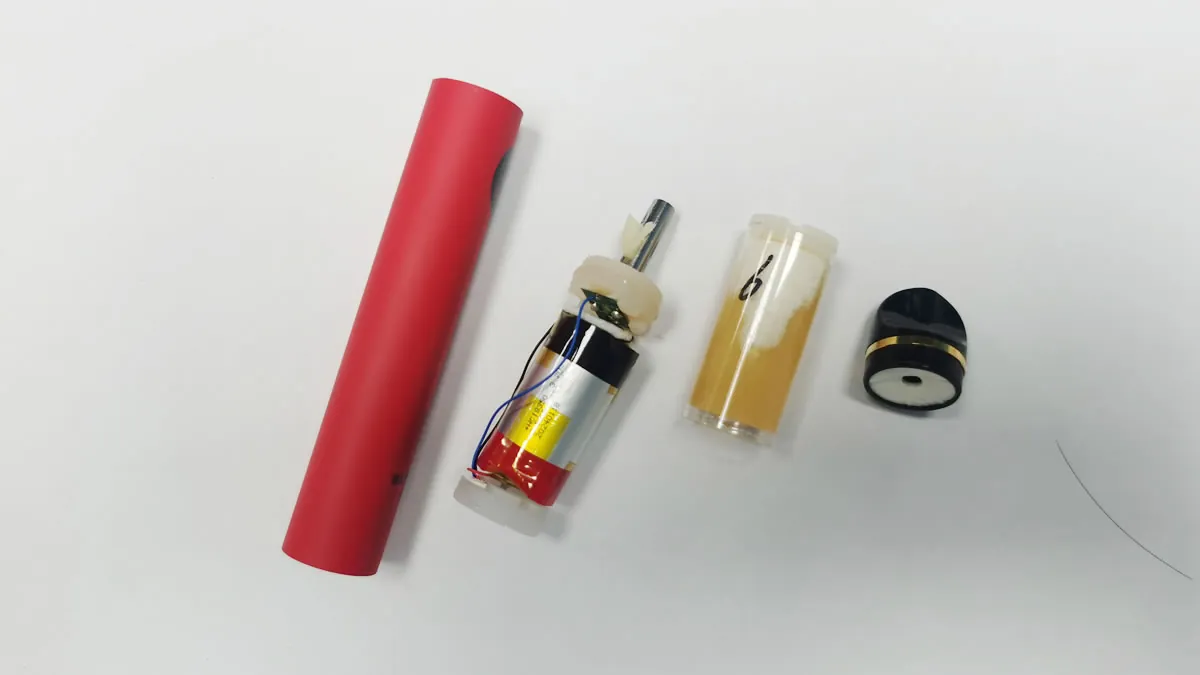
The Outer Casing (Shell)
This is the device’s exoskeleton. Given the diversity of disposable vapes, casing materials vary widely, typically utilizing durable plastics, stainless steel or lightweight aluminum alloys. The manufacturing process for the shell involves sophisticated surface treatments to achieve the desired look and feel. These techniques include:
- Spray Painting: For color and texture.
- Electroplating: To add a metallic sheen and corrosion resistance.
- Anodizing (Oxidation): Common for aluminum bodies, creating a durable, colored finish.
- Stickers/Wraps: For intricate graphic designs.
Manufacturers select materials and finishes based on specific client needs and market trends.
The Battery
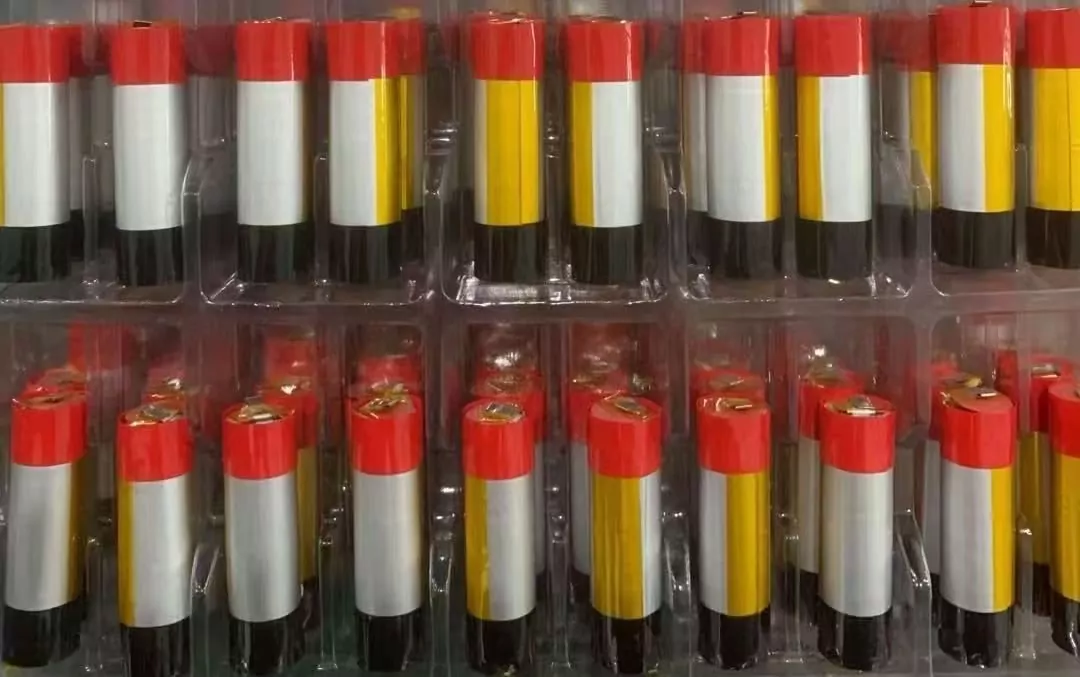
The battery is the heart of the e-cigarette. In disposables, it is usually integrated, while other systems may have removable units. It provides the necessary current to heat the coil and vaporize the liquid. Performance and lifespan are dictated by the battery’s capacity (mAh) and voltage. Modern high-quality vapes primarily utilize pure cobalt batteries, known for their high energy density and stable discharge rates, ensuring consistent power delivery throughout the device’s life.
The Heating Coil
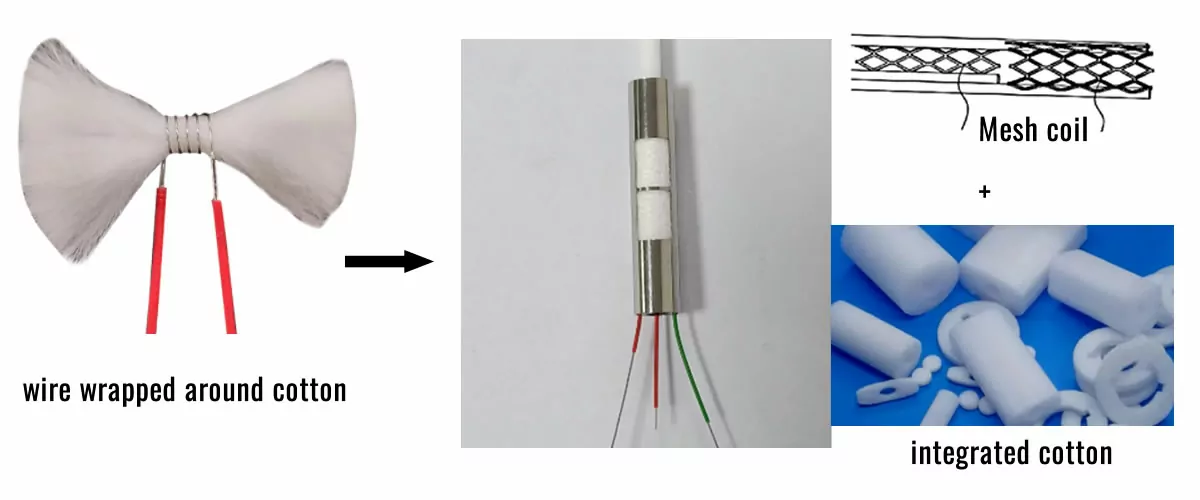
The coil is the engine of vaporization. Typically made from thin resistance wire (like Kanthal or Nichrome) wrapped around a wicking material, it heats up rapidly when the battery is activated. This heat evaporates the e-liquid held in the wick. The quality of the coil is paramount; damaged or poorly powered coils result in no vapor or a burnt taste.
The Wick and Storage Cotton
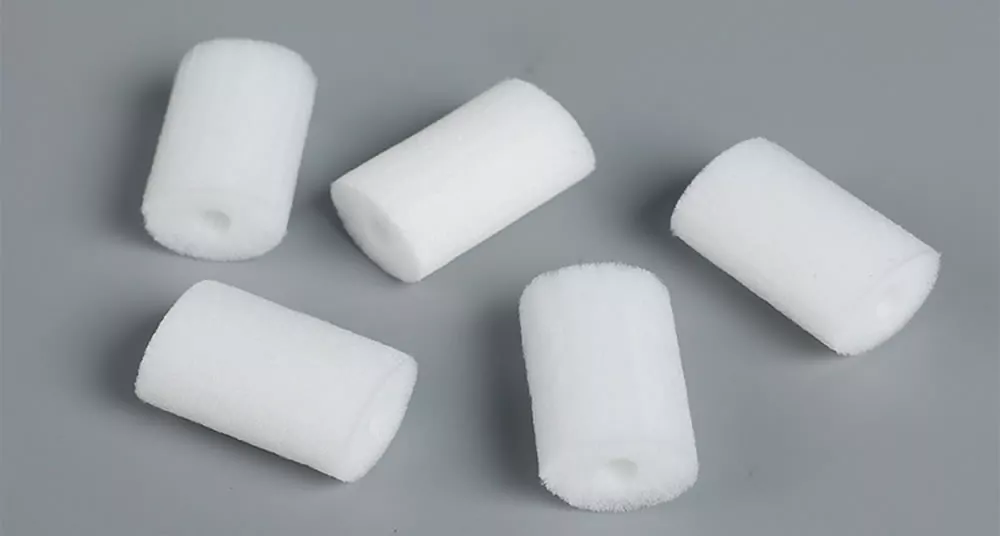
Mainstream disposable vapes predominantly use fiber cotton or specialized storage cotton. Its primary function is twofold: to store the e-liquid within the device and to draw (wick) that juice to the heating coil via capillary action. While materials vary by brand, including organic cotton or ceramic cores, the goal is consistent liquid delivery to prevent dry hits and ensure a smooth vaping experience.
E-Liquid (Vape Juice)
The consumable element, e-liquid, is a precise mixture of:
- Propylene Glycol (PG): Carries flavor and provides “throat hit.”
- Vegetable Glycerin (VG): Creates vapor clouds.
- Flavorings: Food-grade concentrates for taste.
- Nicotine: (Optional) Added in various strengths.
When heated by the coil, this liquid transforms into the inhalable aerosol.

Read more:
What are PG and VG and How to Use Them?
The Step-by-Step Vape Manufacturing Process
Creating a vape is a convergence of advanced technology, precision engineering, and strict safety compliance. Here is the typical workflow:
Design and Development
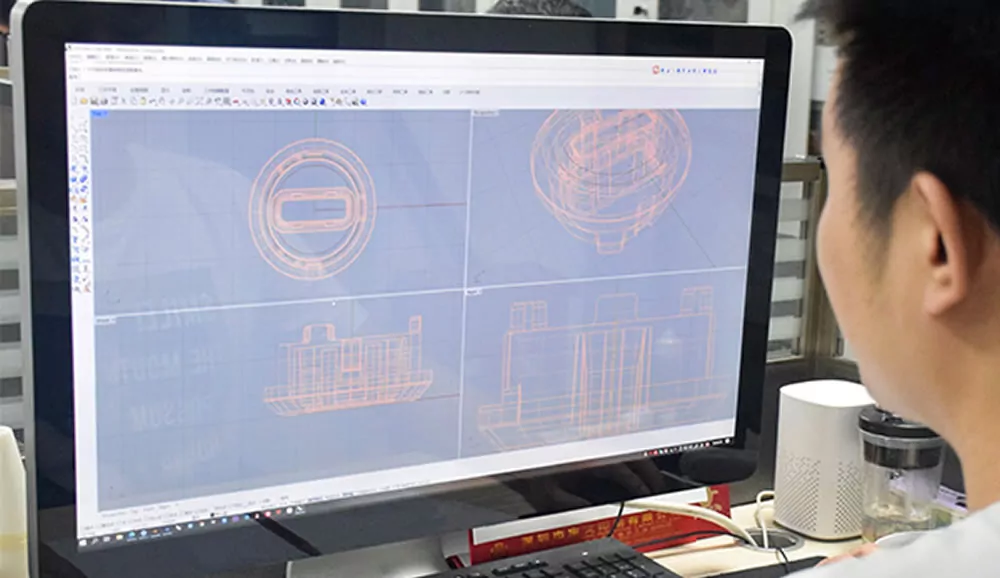
Every device begins as a concept. Engineers and designers collaborate to define the shape, ergonomics, airflow, and battery capacity. Detailed CAD drawings and technical specifications are created, serving as the blueprint for production. This stage determines the device’s “personality” and market appeal.
Prototyping and Sample Testing
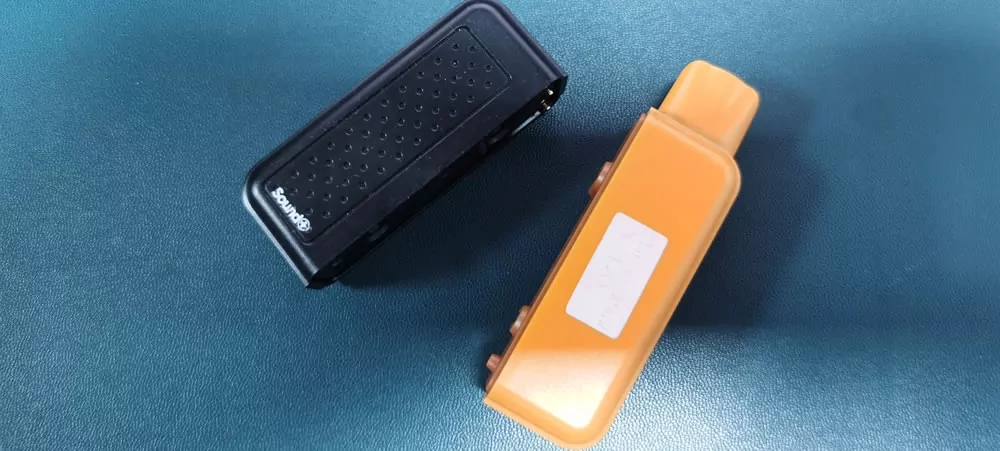
Before mass production, a small batch of samples is built. These prototypes undergo rigorous testing to ensure they meet design specs and safety standards. Only after a sample passes all functional and safety tests does the project move to the manufacturing floor.
Component Sourcing and Inspection
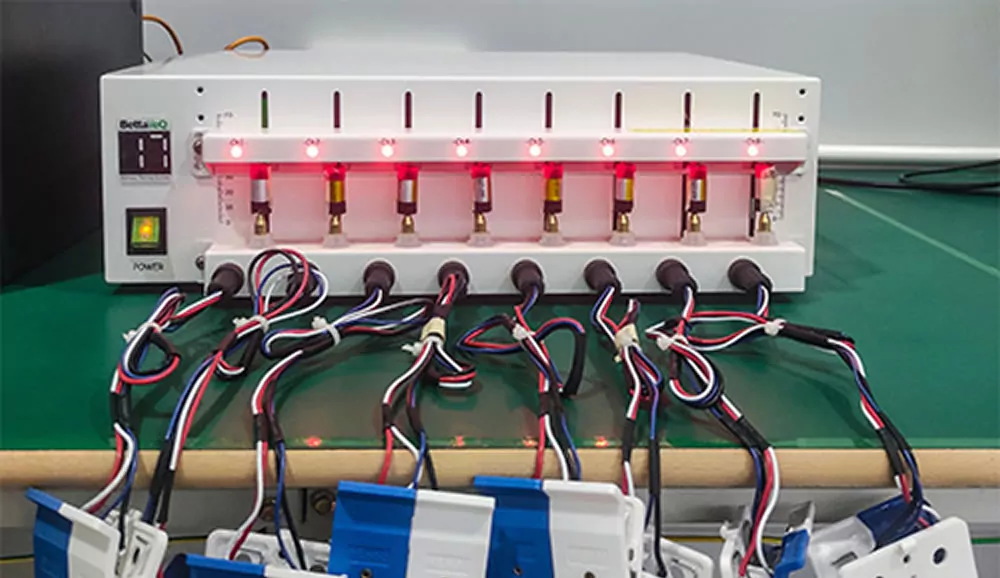
The factory procures all necessary parts: batteries, PCBs (printed circuit boards), coils, cotton, casings, and sensors. Upon arrival, these components undergo Incoming Quality Control (IQC). Inspectors check for defects, verifying that batteries hold charge and materials meet safety standards. Substandard parts are rejected immediately to prevent future failures.
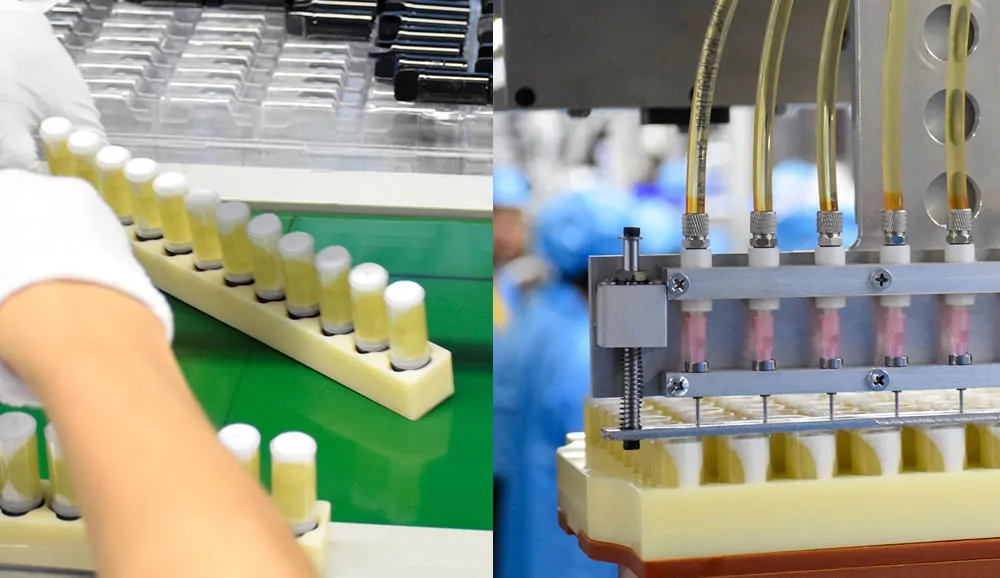
Coil Assembly and Ejuice Filling
This is a delicate process often involving automated machinery. Resistance wire is wound to precise specifications to create the coil. It is then checked for resistance accuracy (Ohms) to ensure it heats correctly. The coil is then integrated with the wicking material, often by inserting cotton or assembling it within a ceramic core.
The coil assembly is installed into the atomizer base. For disposables, the storage cotton is inserted into the liquid tank or tube. This step often involves automated machines to ensure the cotton is evenly distributed for optimal liquid absorption.
Device Assembly and Electronics Integration
This stage brings the electronic components together:
- Battery Connection: The battery is soldered to the main circuit board, which houses the microprocessor and airflow sensor (microphone).
- Sensor Installation: The airflow sensor, which detects inhalation to activate the battery, is precisely positioned.
- LED Indicators: Lights that indicate usage or battery life are connected.
Technicians or automated systems then insert this core assembly into the device shell.
Read more:
Vist Ecigator Factory here>>>
Final Quality Assurance (QA)
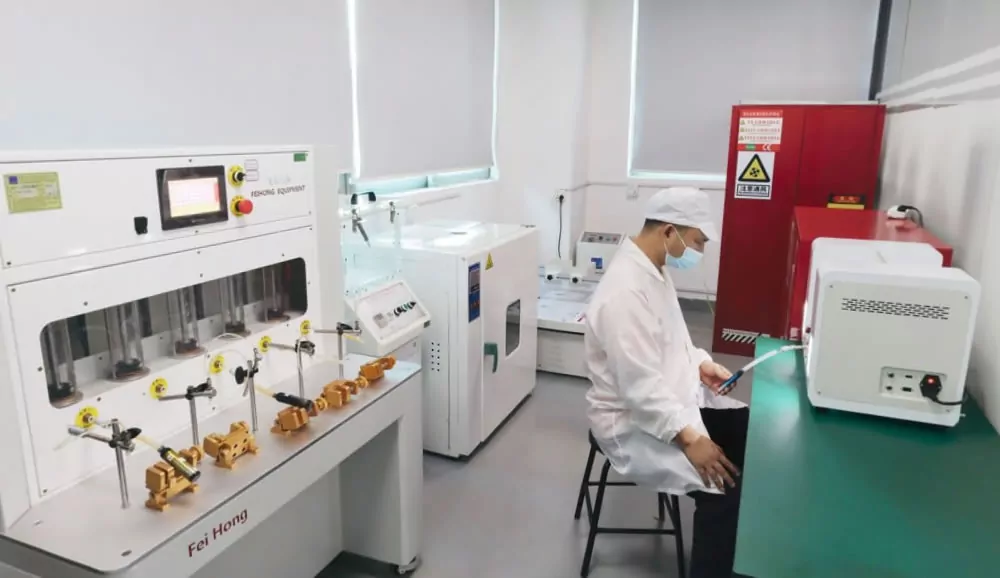
Before packaging, finished devices undergo a battery of tests:
| Test Type | Purpose |
|---|---|
| Airflow Test | Ensures the draw-activation works smoothly. |
| Leakage Test | Verifies seals are intact under pressure or vacuum. |
| Aging Test | Checks battery stability and discharge over time. |
| Visual Inspection | Checks for scratches, misalignments, or cosmetic defects. |
Packaging and Labeling
Passed devices are cleaned and packaged with user manuals and charging cables (if rechargeable). Packaging is labeled with lot numbers for traceability, health warnings, and regulatory compliance marks (like CE or RoHS). The visual design of the packaging is crucial for retail shelf appeal.
Conclusion
The journey of a vape from a design concept to a finished product is a complex orchestration of supply chain management, precision assembly, and stringent quality control. Understanding this process highlights the difference between high-quality, reliable devices and substandard alternatives. As the industry evolves, manufacturing standards continue to rise, ensuring safer and more satisfying experiences for consumers.
If you have any questions about the production process of e-cigarettes or are interested in our e-cigarette products, please click Ecigator!

- Mexico Passes Stricter Tobacco Law as Experts Warn of Cartel Trade - October 9, 2026
- FDA Tobacco Review Delays Threaten Public Health, GAO Report Reveals - October 9, 2026
- USA Northeast Vape Laws in 2026: State Taxes & Flavor Bans - October 9, 2026
Related posts:
 Affordable Vaping: How Much Do Vapes Cost in 2024?
 The Real Cost of Starting a Vape Shop in Canada in 2025
 Top 10 Questions on Disposable Vape Answered
 Can you vape while Ramadan fasting?
 Nicotine Pouches vs. Snus and Chew Tobacco – Key Differences
 Spain’s Vaping Crackdown: A Misguided Step as EU Considers New Rules?

