
Cannabis Drinks Cut Alcohol Use by 50%: UB Study
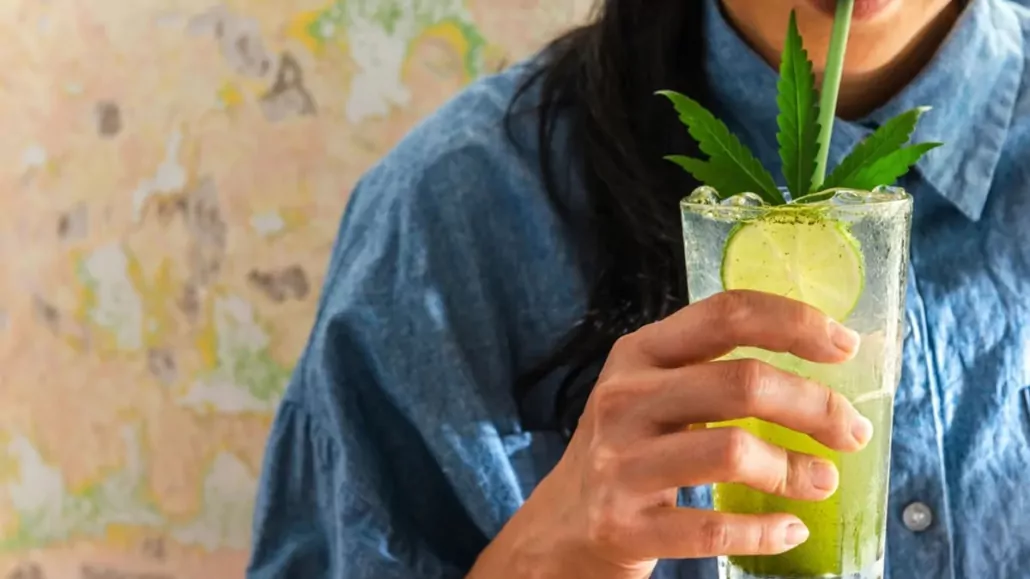
A groundbreaking study from the University at Buffalo (UB) suggests that cannabis-infused beverages are evolving from a niche novelty into a viable harm-reduction tool for alcohol consumption. Published in the Journal of Psychoactive Drugs, the research indicates that adults who incorporate THC drinks into their routine significantly lower their alcohol intake. By preserving the social ritual of “having a drink” while substituting the psychoactive substance, users reported cutting their weekly alcohol consumption by half, offering a potential off-ramp for those looking to moderate their drinking year-round.
Key Takeaways
- Harm Reduction: This is the first study specifically positioning cannabis drinks as a harm-reduction strategy for alcohol.
- Usage Shift: 58% of participants reported intentionally replacing alcohol with cannabis beverages.
- Intake Drop: Regular users cut their alcohol consumption by roughly 50%, averaging just three drinks per week.
- Binge Reduction: The percentage of participants who rarely or never binge drank rose from 47% to over 80% after switching.
- Overall Impact: 62% of respondents reduced or completely stopped drinking alcohol; only 3% increased intake.
Clinical Data Suggests a Shift in “Sober” Culture
Cross-referencing participant metrics indicates a critical behavioral shift among adults seeking alternatives to total abstinence. While “Dry January” promotes temporary sobriety, many Americans are seeking sustainable ways to reduce alcohol consumption year-round without sacrificing social rituals. The University at Buffalo study, led by Jessica Kruger, surveyed 438 adults to evaluate this trend. The results challenge the traditional binary of “drinking vs. sobriety,” introducing cannabis beverages as a “damp” lifestyle option.
The study found that cannabis drinks offer a unique advantage over other forms of THC consumption. Unlike smoking or edibles, beverages mimic the physical act of drinking alcohol. Co-author Daniel Kruger notes that the “similarity in administration method” allows users to maintain the familiar habit of holding a drink at a bar or party, making the substitution socially seamless.
The Numbers: How Cannabis Displaces Alcohol
The survey data reveals a substantial displacement effect. Among the participants who consumed cannabis drinks, nearly six in ten (58%) used them specifically as a substitute for alcohol. The impact on consumption volume was drastic. Before adopting cannabis beverages, participants had higher rates of alcohol use; afterward, their average intake dropped to just three drinks per week.
Binge drinking rates saw an equally dramatic decline. Prior to the introduction of THC drinks, only 47% of participants said they binge drank “less than once a month or never.” After making the switch, that figure skyrocketed to over 80%. This data supports the hypothesis that cannabis, which carries fewer documented health risks than alcohol (such as liver disease and certain cancers), can serve as a functional off-ramp for heavy drinkers.
Comparison Matrix: Alcohol vs. Cannabis Drinks
The following table outlines the comparative impact of both substances based on the UB study findings.
| Metric | Alcohol Consumption | Cannabis Drink Substitution |
|---|---|---|
| Health Risks | Linked to cancer, liver/heart disease, neuro disorders. | Fewer documented long-term physical harms. |
| Usage Trend | Often leads to binge drinking rituals. | 80% of users report rare/no bingeing. |
| Social Ritual | Central to bars/parties (“holding a drink”). | Mimics the ritual without the alcohol toxicity. |
| Study Outcome | Baseline consumption. | 62% reduced or stopped alcohol entirely. |
The “Ritual” Factor
Beyond the chemistry, the behavioral context is crucial. Daniel Kruger emphasizes that the context of use plays a massive role in the success of this substitution. People at social gatherings expect to have a beverage in hand. A cannabis drink satisfies this social cue in a way that a gummy or vape pen cannot. This “modality of use” bridges the gap between sobriety and social participation, allowing users to avoid the negative health impacts of alcohol while remaining part of the festivities.
While the market for these beverages is booming into a multi-billion-dollar industry, Jessica Kruger cautions that there is still a “long way to go” before this is seen as mainstream. However, the initial data provides a compelling argument for public health institutions to consider cannabis not just as a recreational substance, but as a strategic tool for alcohol harm reduction.
Is it safe to replace alcohol with weed drinks?
While no substance is risk-free, the UB study suggests cannabis carries fewer health risks than alcohol. 62% of participants successfully reduced or stopped drinking, suggesting it is a viable harm-reduction strategy for many.
This article references information from a recent study that was published in the Journal of Psychoactive Drugs: The Exploration of Cannabis Beverage Substitution for Alcohol: A Novel Harm Reduction Strategy

- Recycling Point, Bin, or Kitchen Drawer? What UK Vapers Actually Do With a Dead Device - September 30, 2026
- How Cannabis Operators Should Qualify a Vape Hardware Supplier - September 30, 2026
- From Distillate to Finished Pod: The Quality-Control Steps Behind a Premium CBD Vape - September 30, 2026
Related posts:
 California Flavor Ban Cut E-Cig & Cigarette Sales: Study Finds
 FDA Pushes to Classify 7-OH Sold in Vape Shops as Illicit Drug
 Kenya’s New Tobacco Bill is a “Death Sentence” for Smokers
 Is It Illegal to Vape or Smoke While Driving in Michigan?
 South Korea to Tax E-Cigarettes with New Nicotine Law
 Youth Vaping Declines, But Nicotine Dependence Worsens, Study Finds

