
Youth Vaping Declines, But Nicotine Dependence Worsens, Study Finds

While overall rates of youth nicotine vaping in the U.S. have declined since 2019, new research from the University of Southern California (USC) reveals a concerning trend: those who continue to vape are showing signs of worsening addiction and are struggling more to quit. The study, published in JAMA Network Open, highlights a growing dependency among a core group of young users.
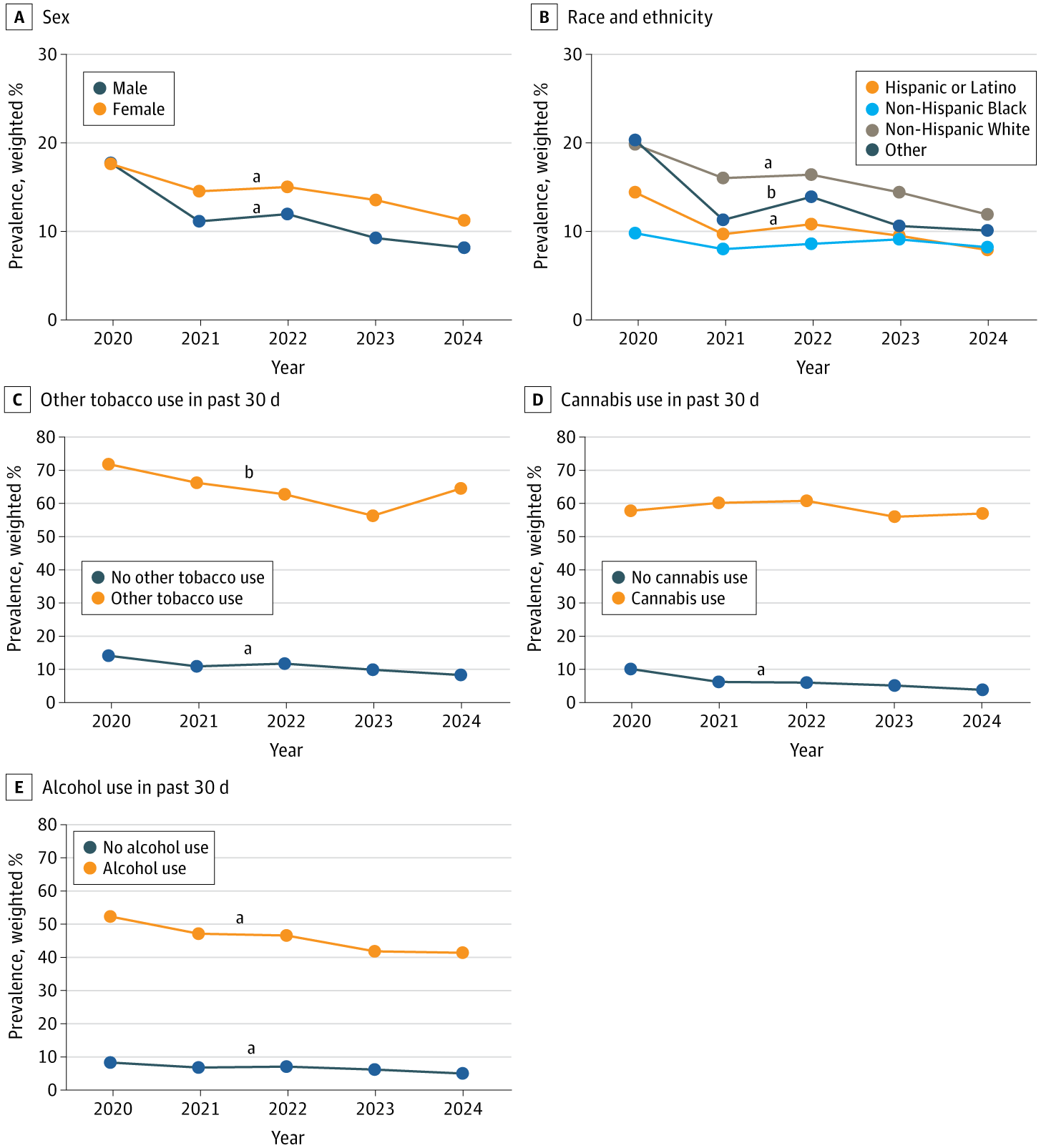
Analyzing data from over 115,000 students in grades 8-12 between 2020 and 2024, researchers found that among current youth vapers, the prevalence of daily vaping nearly doubled, rising from 15.4% to 28.8%. During the same period, the proportion of daily users who attempted to quit but were unsuccessful surged from 28.2% to 53%.
Researchers propose several reasons for this paradox. On one hand, more quit attempts may be occurring due to increased awareness of vaping’s harms, naturally leading to a higher number of failed attempts. On the other hand, the market’s shift towards more addictive disposable products with higher nicotine concentrations and salt formulations may be making it harder for users to stop once they start.
The study also identified specific demographic trends, including an increase in vaping among females, non-Hispanic Black youths, and a doubling of use among rural youth. Researchers concluded that these findings warrant the development of “tailored cessation interventions” focused on these specific high-risk groups to address the worsening nicotine dependence and its associated health outcomes.

- Indonesia: Denpasar Updates Smoke-Free Bylaw to Tighten Vape Rules - October 20, 2026
- Teen Girls Surpass Boys in Vaping Rates, Reversing Historic Trends - October 20, 2026
- Alabama: Irondale Proposes Public Vaping Ban with Fines Reaching $200 - October 20, 2026
Related posts:
 Reevaluating Nicotine Vaping Regulations in Australia: A Call for Change
 Singapore Fines 2,700+ People for Vape Offences Since Sept 1
 Study Finds Less Restrictive Vaping Laws Linked to Faster Decline in Smoking Rates
 Europe Has Highest Smoking Rates Globally: WHO Report
 UK Vape Ban Fails? 35% Still Buying Disposables on Black Market

