Cannabis Rescheduling 2026: The Schedule III Shift Explained
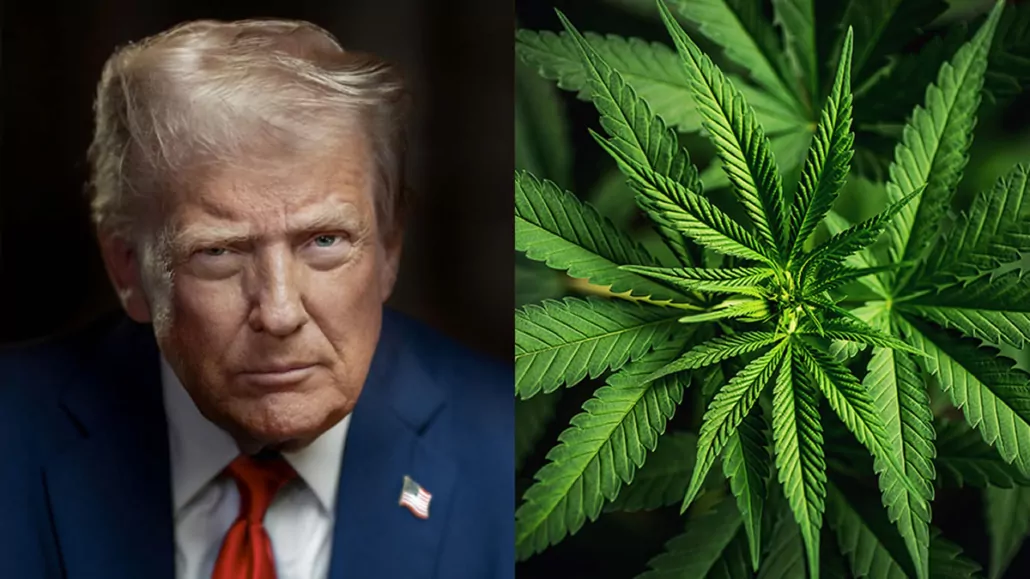
Federal cannabis policy enters 2026 in a precarious “split-screen” posture. While hemp faces a potential federal contraction, marijuana is moving decisively toward a less restrictive status. Following President Trump’s December 18, 2025 Executive Order, the Department of Justice (DOJ) is now under direct instruction to move marijuana from Schedule I to Schedule III “in the most expeditious manner.” However, for operators and investors, the immediate task is separating the material financial benefits—specifically 280E tax relief—from the persistent legal frictions that rescheduling will not solve.
Key Takeaways
- The Executive Order: President Trump directed the AG to reschedule marijuana to Schedule III expeditiously, signaling a shift from “discussion” to “deliverable.”
- The 280E Tax Relief: Moving to Schedule III would eliminate IRC § 280E, allowing cannabis businesses to finally deduct ordinary business expenses like rent and payroll.
- Not Legalization: Rescheduling does not federally legalize state markets, authorize interstate commerce, or automatically grant bankruptcy protections.
- Procedural Hurdles: The DEA clarified on Jan 6, 2026, that the administrative process remains pending; finalization requires a defensible record and may face litigation.
- Research Focus: The order directs HHS to use real-world evidence to improve access to full-spectrum CBD and hemp-derived products.
Examining the Executive Order: A Shift in Momentum
The December 18, 2025 directive reveals a critical change in administrative tone. The Executive Order does not merely suggest a review; it mandates action under 21 U.S.C. § 811. While the DEA publicly clarified on January 6, 2026, that the process must still follow administrative steps, the political will has shifted. The Administration is treating rescheduling as a priority deliverable rather than a slow-walked policy experiment.
Beyond the headline of Schedule III, the order includes directives that could reshape the adjacent CBD market. It urges Congress to reexamine the definition of hemp to ensure patient access to full-spectrum CBD products and directs Health and Human Services (HHS) to develop improved research models using real-world evidence. This signals a broader intent to integrate cannabis science into standard healthcare frameworks, even as the regulatory noose tightens around unregulated hemp products.
The Three Procedural Lanes for DOJ
The administrative law landscape suggests the DOJ has three potential paths to execute this order, each with distinct risks and timelines.
- Standard Rulemaking: The most familiar route involves finishing the existing administrative process. While institutionally safe, this path is slow and invites procedural challenges regarding the scientific record.
- Treaty Authority (21 U.S.C. § 811(d)(1)): The Attorney General could bypass standard scheduling to meet international treaty obligations. This allows for immediate scheduling without typical scientific evaluations. Advocates view this as the “fast track,” though its novelty could invite unique legal challenges.
- Resume Administrative Hearings: This is the least likely path. The previous hearing process stalled in early 2025 amid allegations of bias, and the presiding Chief Administrative Law Judge retired in July 2025. Restarting this track would likely result in significant delays.
Regardless of the chosen path, litigation is inevitable. We anticipate challenges targeting procedural sufficiency (notice-and-comment), statutory interpretation of the Controlled Substances Act (CSA), and the coherence of agency reasoning. Consequently, the industry faces a “two-track” period: operational planning for Schedule III alongside persistent uncertainty about the effective date.
The Financial Impact: 280E Relief
For state-legal operators, the move to Schedule III is primarily a financial event. Currently, Internal Revenue Code § 280E prohibits businesses trafficking in Schedule I or II substances from deducting ordinary business expenses. This has historically resulted in effective tax rates that can exceed 70%.
Under Schedule III, § 280E would no longer apply. This change would fundamentally alter the unit economics of the industry by allowing deductions for:
- Payroll and employee benefits.
- Rent and facility costs.
- Marketing and advertising expenses.
- Professional fees (legal, accounting, consulting).
This shift would immediately improve cash flow, valuation metrics, and reinvestment capacity. Institutional stakeholders may view this as a “de-risking signal,” potentially thawing access to capital even if full legalization remains elusive.
Comparison Matrix: Schedule I vs. Schedule III
The following table outlines the material differences between the current status and the proposed future state.
| Feature | Current Status (Schedule I) | Proposed Status (Schedule III) |
|---|---|---|
| Tax Treatment | IRC § 280E Applies (No deductions) | Standard Corporate Tax (Deductions allowed) |
| Federal Legality | Illegal (No medical use accepted) | Illegal without FDA approval (but medical use accepted) |
| Interstate Commerce | Prohibited | Still Prohibited (for state-licensed goods) |
| Bankruptcy Access | Denied | Likely still restricted/difficult |
| Research Barriers | Extremely High | Reduced (Easier access/funding) |
What Schedule III Does NOT Fix
It is vital to manage expectations. Rescheduling is not a turnkey solution for the industry’s structural problems. Even at Schedule III, state-compliant cannabis remains federally illegal for non-FDA-approved products. This means:
- No Interstate Commerce: Multi-state operators (MSOs) must continue to maintain redundant, siloed supply chains in every state where they operate.
- Banking Friction Persists: While some banks may feel more comfortable, core Anti-Money Laundering (AML) issues remain without legislative fixes like the SAFER Banking Act.
- Bankruptcy & IP Limits: Federal bankruptcy protection and trademark registration typically require lawful federal commerce, which state-licensed cannabis still lacks.
Furthermore, states may view the federal tax relief as an opportunity to increase state taxes, potentially offsetting some of the gains from the elimination of 280E. Operators should model their 2026 economics with these variables in mind.
When will marijuana be rescheduled?
While the Executive Order demands speed, the administrative process takes time. The “fast track” treaty authority could yield results in 2026, but standard rulemaking combined with litigation could push final implementation into 2027. Operators should plan for 280E relief but remain prepared for delays.
- Reference: Cannabis in 2026 – Part I- Marijuana Rescheduling—What’s Moving, What Won’t, and Why It Matters

- Recycling Point, Bin, or Kitchen Drawer? What UK Vapers Actually Do With a Dead Device - September 30, 2026
- How Cannabis Operators Should Qualify a Vape Hardware Supplier - September 30, 2026
- From Distillate to Finished Pod: The Quality-Control Steps Behind a Premium CBD Vape - September 30, 2026