
Maryland Court Rules Delta-8, Delta-10 THC “Always Illegal” in State
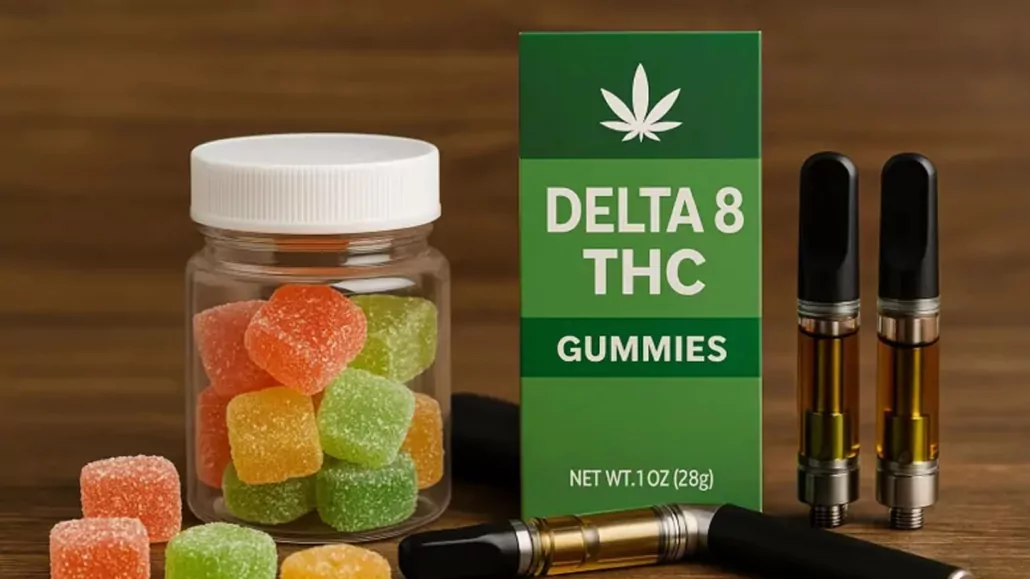
Maryland’s second-highest court has delivered a decisive ruling that effectively closes the state’s “hemp loophole,” declaring that intoxicating hemp-derived products such as delta-8 and delta-10 THC “are now and have always been illegal in Maryland” for sale outside the regulated cannabis system. In a 72-page opinion issued on September 9, 2025, the Appellate Court of Maryland reversed a lower court’s preliminary injunction, allowing the state to enforce its cannabis licensing laws against businesses like vape shops, convenience stores, and gas stations selling these psychoactive products.
The case, Governor Wes Moore, et al. v. Maryland Hemp Coalition, et al., was a response to a lawsuit from hemp farmers and retailers who argued that the state’s 2023 Cannabis Reform Act created an unconstitutional monopoly by restricting the sale of all psychoactive cannabis products to state-licensed dispensaries. The lower court had granted an injunction that temporarily allowed these retailers to continue selling their products.
However, the appellate court, in an opinion authored by Judge Daniel Friedman, determined that the Hemp Coalition had no likelihood of success on its claims. The court clarified that no “common right” exists for retailers to sell these hemp-derived psychoactive products because they have always been illegal under state law, even if that prohibition was subject to “lax enforcement.” Judge Friedman wrote that a previous state law banning the sale of these products to individuals under 21 did not implicitly legalize them for adults over 21.
The court further opined that the state’s Cannabis Reform Act, which requires any business selling psychoactive cannabis products to obtain a state license, serves the public interest by establishing public health safeguards and is a “prohibition, not a monopoly.” The judges also upheld the law’s “social equity” provisions for licensing as rationally related to remedying harms from the War on Drugs.
This ruling aligns Maryland with a growing number of states cracking down on the unregulated market for synthetically produced cannabinoids. These products, often sold as gummies, vape cartridges, and edibles, have proliferated since the 2018 federal Farm Bill legalized hemp. However, public health advocates and regulators have raised concerns about their safety, as third-party testing often reveals inaccurate labeling and the presence of contaminants like heavy metals or unlabeled cutting agents. The synthetic conversion process itself can also involve potentially dangerous chemicals. Similar state-imposed bans have recently been upheld in courts in Alabama, Alaska, Arkansas, and Virginia. The Maryland Hemp Coalition has expressed disagreement with the ruling and is evaluating its options.

- Recycling Point, Bin, or Kitchen Drawer? What UK Vapers Actually Do With a Dead Device - September 30, 2026
- How Cannabis Operators Should Qualify a Vape Hardware Supplier - September 30, 2026
- From Distillate to Finished Pod: The Quality-Control Steps Behind a Premium CBD Vape - September 30, 2026
Related posts:
 New York Senate Passes Bill to Ban Child-Enticing E-Cigarettes
 Louisiana’s New THC and CBD Regulations Set to Disrupt Hemp Industry in 2025
 Guide to Read CBD Labels: Finding Quality Products
 Why Is Vape Juice Considered The Most Essential Part Of A Vape Pen?
 Hayati Pro Ultra Plus 25000: Ultimate Vaping Review
 Wisconsin Vape Distributors Sue State Over Vape Ban

