
Senate Bill Proposes Regulating Hemp Products Instead of Ban
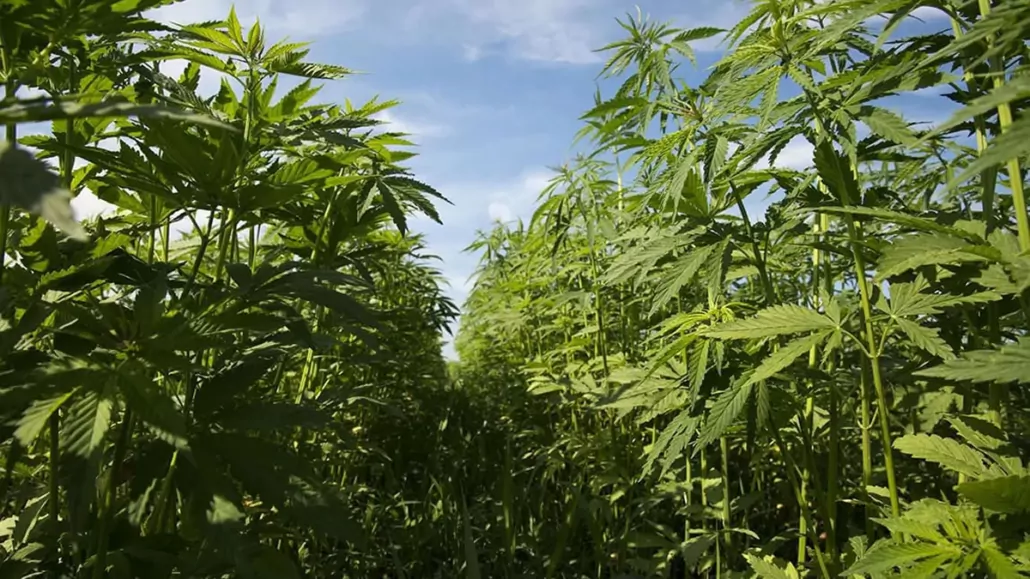
Democratic Senators Ron Wyden and Jeff Merkley of Oregon have introduced a pivotal piece of legislation aimed at creating a federal regulatory framework for hemp-derived cannabinoids. The Cannabinoid Safety and Regulation Act offers an alternative to the impending federal ban on many consumable hemp products, including CBD and delta-8 THC, which was part of a spending bill signed by President Donald Trump last month.
The proposed bill comes at a critical juncture for the hemp industry, which faces significant upheaval due to provisions in the recent appropriations legislation that would widely recriminalize consumable cannabinoid products starting next November. Instead of a blanket prohibition, the new Senate bill seeks to establish clear safety standards and age restrictions while allowing states to set their own rules.
Key Provisions of the Bill
The legislation proposes several key regulatory measures:
- THC Limits: For states without their own caps, the federal standard would limit THC in hemp products to 5 milligrams per serving and a maximum of 50 milligrams per container (excluding beverages). Hemp drinks would be capped at 10 milligrams of THC per container.
- FDA Oversight: The Food and Drug Administration (FDA) would be empowered to enforce safety standards, including ensuring products are not marketed to children. Businesses selling consumable hemp items would need to register with the FDA.
- Age Restrictions: The sale of hemp cannabinoid products to individuals under 21 would be prohibited.
- Labeling and Manufacturing: Products would require federal labeling, including an internationally recognized symbol identifying cannabinoid content. The FDA would also establish good manufacturing practices within nine months of enactment.
- Synthetic Cannabinoids: Synthetically derived cannabinoids would be banned, consistent with existing law but with clearer enforcement directives.
- Vape Restrictions: Vapes containing cannabinoids would be prohibited from having natural or artificial flavors and could contain no more than 6% terpenes.
A Compromise for Industry Survival
Senator Wyden emphasized that a “one-size-fits-all approach that bans hemp products from the market outright does nothing to protect kids and consumers” and would devastate thousands of jobs. “My legislation takes the thoughtful and measured approach necessary to implement strong consumer protection regulations while fostering growth and innovation,” he stated. Senator Merkley echoed this, arguing that a blanket ban harms research and the industry, advocating instead for “clear, commonsense guidelines.”
The bill defines total THC content to include all forms, such as delta-8, delta-9, and THC-A, addressing the “loophole” often cited by critics of the 2018 Farm Bill. It preserves state rights to enact tighter regulations, including bans, but mandates that states allow the transport of hemp products through their territories.
Stakeholder Reactions
The proposal has been met with relief from industry advocates. Jonathan Miller, general counsel at the U.S. Hemp Roundtable, expressed gratitude for the senators’ leadership, calling the bill “a key first step to developing consensus around a robust regulatory framework that can replace the impending ban.”
The measure also includes significant funding for public health initiatives, proposing $200 million annually for the CDC to support data collection and prevention programs, and grants to combat impaired driving. As the clock ticks toward the implementation of the hemp ban next year, this bill represents a potential lifeline for the industry, offering a structured path forward that balances consumer safety with economic viability.

- Indonesia: Denpasar Updates Smoke-Free Bylaw to Tighten Vape Rules - October 20, 2026
- Teen Girls Surpass Boys in Vaping Rates, Reversing Historic Trends - October 20, 2026
- Alabama: Irondale Proposes Public Vaping Ban with Fines Reaching $200 - October 20, 2026
Related posts:
 Flight Attendant Explains Why Vapes and IQOS Are Banned on Airplanes
 Texas State Senator Reintroduces Bill to Prohibit Sale of Flavored Tobacco Products
 Japan Updates World’s Strictest THC Limits in CBD Products
 Is Vaping Haram in Islam? A Comprehensive Analysis
 Washington State Advances Bill to Ban Flavored Tobacco and Vape Products
 Canadian Anti-Smoking Groups Urge to Ban Flavored Vapes

