
Dual Use of Vapes & Cigarettes Helps Smokers Quit: Study
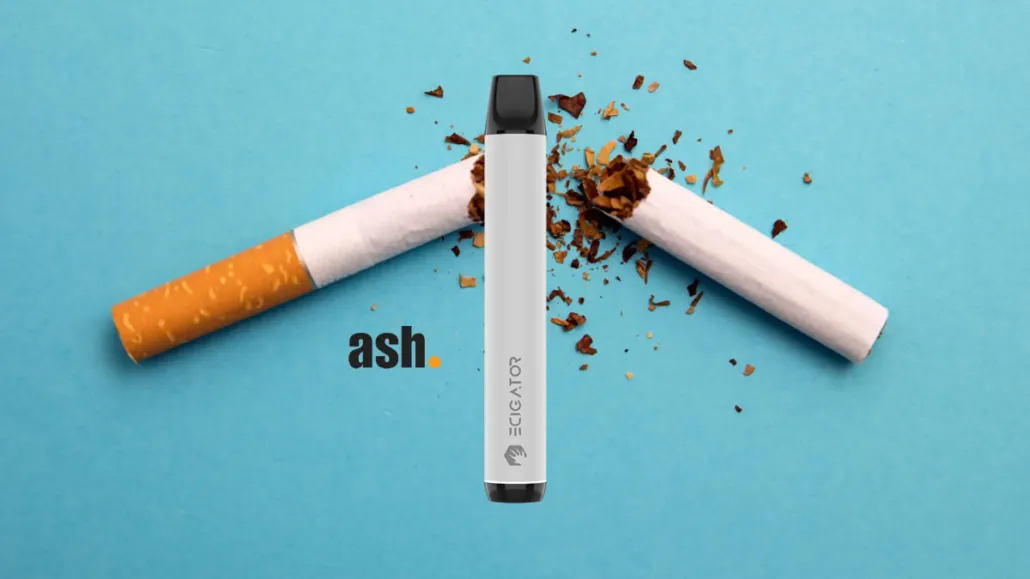
A major new study from Queen Mary University of London challenges common misconceptions about the concurrent use of cigarettes and e-cigarettes, known as “dual use.” Published in Nicotine & Tobacco Research, the findings suggest that smokers who engage in dual use not only reduce their intake of harmful chemicals but are also more likely to eventually quit smoking altogether compared to those who continue to smoke exclusively.
The research analyzed data from a large-scale trial involving 886 adult smokers over one year, funded by the National Institute for Health and Care Research (NIHR) and Cancer Research UK (CRUK). Participants were provided with either e-cigarettes or nicotine replacement therapies (NRT) to aid their quit attempts. The study found that smokers who continued to smoke after their initial quit attempt but also used an e-cigarette were more likely to have stopped smoking at both the four-week and one-year marks than those who did not vape.
Crucially, even dual users who didn’t manage to quit smoking completely were found to substantially reduce their smoking rate and their objectively measured intake of toxic chemicals found in cigarette smoke. This contrasts sharply with unsuccessful quitters who did not use vapes. Dr. Francesca Pesola, lead author, noted, “The sooner smokers quit the better, but for those who find it difficult to stop smoking abruptly, vaping can help with doing it gradually over time.”
Dr. Peter Hajek, co-lead author, emphasized that the results debunk the idea that dual use should be avoided if immediate cessation isn’t achieved. “These results show that dual use promotes genuine harm reduction and that it can be a useful step to stopping smoking altogether,” he stated.
The study also highlighted other significant trends:
- Reduced Urges: E-cigarette users experienced lower urges to smoke compared to those using NRT.
- Nicotine Reduction: Most vapers started with high nicotine strengths and gradually moved lower, with about 10% shifting to nicotine-free liquids by one year.
- Flavor Preferences: Tobacco-flavored e-liquids were unpopular and less effective than fruit and other flavors for long-term cessation.
With approximately 11.9% of UK adults still smoking, these findings offer valuable insights for public health strategies aimed at smoking cessation.
Nicotine & Tobacco Research, ntaf240, https://doi.org/10.1093/ntr/ntaf240
Introduction
Limited data exist on how to use e-cigarettes (EC) to optimize smoking cessation.
Methods
We examined associations between patterns of EC use and outcomes at 1 year in a large trial (N = 886) comparing nicotine replacement therapy (NRT) and EC.
Results
Use of tobacco flavor was limited and associated with a lower smoking cessation rate compared to other flavors (relative risk; RR = 0.56, 95% CI = 0.35 to 0.89). EC users reduced nicotine strength over time. Abstainers using EC reported lower urges to smoke than abstainers using NRT at both weeks 1 (b = −0.25, 95% CI = −0.45 to −0.04) and 4 (b = −0.37, 95% CI = −0.58 to −0.16). Participants using both cigarettes and EC (dual users) at week 1 were more likely to stop smoking at week 4 than exclusive smokers (RR = 4.45, 95% CI = 1.96 to 10.10). Dual users at 4 weeks and 6 months were also more likely to achieve validated 50% reduction in smoke intake at 1 year (RR = 2.37, 95% CI = 1.36 to 4.11 and RR = 4.56, 95% CI = 2.71 to 7.66, respectively).
Conclusions
Non-tobacco flavors were preferred and may be also more effective. Urges to smoke were lower in EC users than in users of NRT. Dual use was associated with a reduction in smoking and quitting smoking later on.

- Indonesia: Denpasar Updates Smoke-Free Bylaw to Tighten Vape Rules - October 20, 2026
- Teen Girls Surpass Boys in Vaping Rates, Reversing Historic Trends - October 20, 2026
- Alabama: Irondale Proposes Public Vaping Ban with Fines Reaching $200 - October 20, 2026
Related posts:
 Vapengin Venus Pod Kit Review: Flavors and Performance
 Poland Announces Disposable Vape Ban
 Air Bar Mini Review – Pocket-Sized Powerhouse of Flavor
 What is Disposable Vape and How it Works
 Study Supports Providing Free Vapes to Help Smokers Quit
 Finland Regulates Nicotine Pouches, Bans Flavors, Online Sales

