Wisconsin Vape Law Sparks Lawsuit as Most Products Banned
A new state law in Wisconsin, which took effect on September 1st, has dramatically reshaped the state’s vaping market, leading to empty shelves, fears of widespread business closures, and a federal lawsuit from the local vape industry. The law, part of a sweeping 2023 bill that overhauled various regulations, effectively bans the sale of most popular vaping products by creating a state-managed directory of “approved” items. This move, which supporters say is designed to protect children from unsafe and unregulated products, is being challenged by vape shop owners who argue it is an unconstitutional overreach that favors major tobacco companies at the expense of small businesses and adult consumers seeking smoking alternatives.
What Are Wisconsin’s New Vape Restrictions?
The new law, which was included as an amendment in a larger 2023 alcohol and tobacco regulation bill, requires vape manufacturers to certify to the Wisconsin Department of Revenue that their products meet specific criteria tied to the U.S. Food and Drug Administration (FDA) regulatory process. To be legally sold in Wisconsin, a vaping product must now either:
- Have received full marketing authorization from the FDA through its Premarket Tobacco Product Application (PMTA) process.
- Have been on the market by August 8, 2016, and have a pending PMTA submitted to the FDA by September 9, 2020.
All compliant products are listed on a state directory, which the Department of Revenue (DOR) must update at least monthly. Manufacturers are required to pay a $500 annual fee per device to certify their products. Any product not on this list is now considered illegal for sale. Retailers caught selling unlisted products after the September 1st enforcement date face a hefty fine of $1,000 per day for each illegal vaping device.
The law includes a temporary exemption for vapes containing hemp-derived cannabinoids, which will be required to be listed on the directory starting July 1, 2026, with enforcement beginning in September of that year.
The Impact on Local Businesses and Consumers
The immediate impact on Wisconsin’s vape shops has been severe. Because the FDA has authorized very few vaping products to date – primarily a handful of tobacco and menthol-flavored devices from major tobacco companies like Juul, Vuse, and NJOY – the new law effectively bans the vast majority of products that were previously sold. This includes most flavored e-liquids and popular disposable vape brands like Geek Bar, Lost Mary, and RAZ, which the FDA already considers illegal but are widely available.
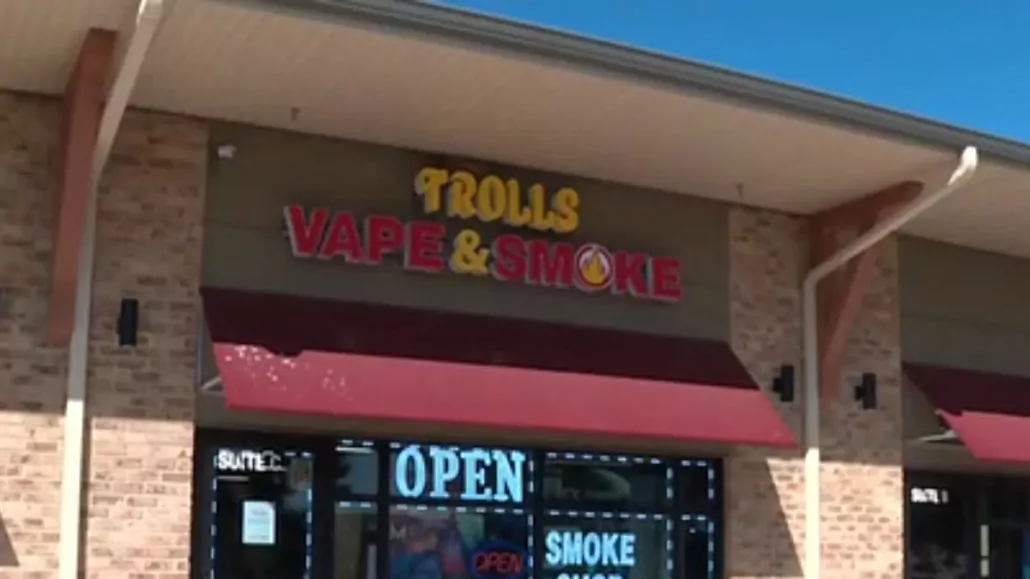
Vape shop owners report that the banned products constitute a huge portion of their business. Destiny Scott, manager of Trolls Vape & Smoke shop in Fitchburg, estimated that the now-illegal products account for about 50% of her business. “We are going to lose a lot of money, a lot of people, a lot of good customers,” she said. Amber Crawford, owner of Faze’s Tobacco in Menomonie, stated the banned items represent about 70% of her revenue and up to 90% of her barcoded inventory, expressing fears of being laid off and having to close her store.
The Legal Challenge: A Battle Over Federal Authority and Market Fairness
In response to the law, an industry group named Wisconsinites for Alternatives to Smoking & Tobacco filed a federal lawsuit in June to halt its implementation. They argue that the law is unconstitutional and effectively creates a monopoly for “Big Tobacco” companies, which are among the few with the resources to navigate the FDA’s complex and expensive PMTA process.
However, in a September 5th order, a federal judge allowed the law to remain in effect, denying the group’s request for an injunction. In his ruling, Judge William Conley noted the lawsuit was filed with an “unexplained delay” – nearly 19 months after the law was signed and just two months before enforcement was set to begin. The industry group is appealing this decision.
The Rationale and the National Context
Supporters of the law, including the DOR and the Republican lawmakers who authored the amendment, argue it is a crucial public safety measure. Former DOR Secretary Peter Barca testified that the amendment “empowers DOR to improve public safety by creating guidelines for businesses and consumers alike in the exploding vaping industry.” Governor Tony Evers’ administration has also supported the law as a “measured approach” to respond to a rapidly growing industry and keep people safe from “unsafe, unregulated products creating life-threatening and even deadly situations.”
Wisconsin is one of at least 14 states that have enacted these so-called “PMTA registry” laws, with about two dozen more states considering similar legislation. The legality of these laws is being actively contested across the country, with mixed results in federal courts.
- In Iowa, a federal judge blocked nearly all of a similar law from taking effect in May, finding that it likely conflicted with federal authority.
- In Utah, a federal judge ruled in March that the state’s ban could take effect after initially pausing enforcement while a lawsuit was pending.
These conflicting rulings highlight the ongoing legal uncertainty surrounding the authority of states to enforce FDA regulations in this manner. The core of the legal debate often centers on whether these state laws are unconstitutional attempts to enforce federal law or are permissible exercises of state public health powers.
Conclusion: An Uncertain Future for Vaping in Wisconsin
As of September 2025, Wisconsin’s vaping market is in a state of significant upheaval. The new PMTA registry law has drastically limited the range of legal products, placing immense pressure on independent vape shops and potentially limiting the choices for adult smokers who have switched to vaping. While the legal challenge continues through the appeals process, retailers are forced to comply with the current law or face severe daily fines. The outcome of this and similar lawsuits in other states will be critical in determining the future of the vaping industry, not just in Wisconsin, but across the entire United States.

- Indonesia: Denpasar Updates Smoke-Free Bylaw to Tighten Vape Rules - October 20, 2026
- Teen Girls Surpass Boys in Vaping Rates, Reversing Historic Trends - October 20, 2026
- Alabama: Irondale Proposes Public Vaping Ban with Fines Reaching $200 - October 20, 2026