
Vaping Laws in Southeast Asia: A Country-by-Country Guide (2025)
Southeast Asia, a region of over 680 million people and a significant global economic hub, presents one of the most fragmented and rapidly evolving regulatory landscapes for vaping products, including e-cigarettes and heated tobacco products (HTPs). The legal status of vaping varies dramatically from one country to the next, ranging from complete, stringently enforced prohibitions to regulated legal markets with their own complex rules. This patchwork of policies is driven by a combination of public health concerns, differing approaches to tobacco harm reduction, and significant economic and industry considerations. This guide provides a comprehensive overview of vaping rules across Southeast Asia, detailing which countries have outright bans, which have regulated markets, and the key trends shaping the future of nicotine policy in the region.
The Two Sides of the Coin: Outright Bans vs. Regulated Markets
The 11 nations of Southeast Asia (ASEAN plus Timor-Leste) can be broadly divided into two camps: those that have implemented total prohibitions on vaping and those that permit sales under a regulated framework. This divergence creates significant cross-border challenges, including smuggling and the growth of black markets, and reflects differing national priorities.
A primary driver behind the stricter policies is the goal of protecting youth from nicotine initiation. Governments in countries with bans often cite the appeal of flavored products, aggressive marketing tactics, and the “gateway” theory as reasons for their zero-tolerance stance. On the other hand, countries with high traditional smoking rates, like Indonesia and the Philippines, have opted for regulation, viewing vaping as a potential harm reduction tool for adult smokers who are unable or unwilling to quit combustible cigarettes.
Countries with Complete Vaping Bans
A majority of countries in Southeast Asia have chosen to ban e-cigarettes and HTPs entirely. Travelers and residents should be aware that in these jurisdictions, possession of a vape device can lead to significant penalties, including hefty fines, confiscation, and in some cases, imprisonment or deportation. Enforcement has been tightening across the board in 2024-2025.
Thailand
Thailand maintains one of the strictest anti-vaping stances in the region, with a comprehensive ban on the import, sale, possession, and use of all e-cigarettes and HTPs in place since 2014. Enforcement has intensified recently, with authorities conducting raids and issuing warnings to both tourists and locals. Under the Customs Act, possession of a vape can be treated as handling “smuggled” goods, potentially leading to fines up to four times the device’s value or imprisonment for up to five years. Dealers and importers face even harsher penalties of up to 10 years in prison. The government has even launched programs rewarding citizens for reporting e-cigarette use, signaling a zero-tolerance policy.
Singapore
Singapore’s approach is famously stringent. Since 2018, the import, sale, possession, and use of all electronic nicotine delivery systems (ENDS), including e-cigarettes and HTPs, are completely illegal under the Tobacco (Control of Advertisements and Sale) Act. The penalties are severe:
- Possession or Use: Punishable by a fine of up to SGD 2,000 (approx. US$1,500).
- Selling, Importing, or Distributing: A first offense can lead to a fine up to SGD 10,000 (approx. US$7,500) and/or up to 6 months’ imprisonment. Repeat offenders face up to SGD 20,000 in fines and/or up to 12 months in jail.
In 2025, Singapore further escalated penalties, particularly for drug-laced vapes (e.g., containing etomidate), which can now be treated as a Class C drug offense, potentially involving caning for smugglers. Enforcement is vigorous at all checkpoints.
Vietnam
Vietnam represents a recent and significant shift towards prohibition. After a period of operating in a gray market, the National Assembly passed Resolution 173/2024, mandating a total ban on all e-cigarettes and HTPs effective January 1, 2025. This new law makes all sales, imports, advertising, and use of vaping devices illegal. Penalties are substantial: users may be fined up to VND 2 million (approx. US$79), while those involved in importing, trading, or producing vape products can face massive fines or imprisonment up to 15 years, depending on the quantity. Tourists entering the country with a vape device are also subject to fines at checkpoints.
Brunei, Cambodia, Laos, and Timor-Leste
These nations also maintain comprehensive bans on vaping products:
- Brunei: Has long banned the sale and import of e-cigarettes under its Tobacco Order. Enforcement is strict, and authorities have explicitly warned that bringing vapes into the country, even in personal luggage, is illegal and can lead to fines and prosecution.
- Cambodia: Vapes have been effectively illegal since a 2014 circular from the National Authority for Combating Drugs banned their consumption, sale, and import. While a black market exists, police conduct periodic raids, and offenders can face detention under anti-drug laws.
- Laos: The amended Tobacco Control Law prohibits the use, manufacture, import, export, and sale of all vaping products, including HTPs. Users risk fines (e.g., around LAK 2 million or US$200) and confiscation.
- Timor-Leste: The sale of vaping products is prohibited, aligning with the regional trend towards prohibition.
Ecigator is one of the well-known vape brands spun off from KangSiDe Technology Co., Ltd, it’s an ISO-certified disposable vape manufacturer for OEMs, ODMs, and OBM since 2010. The founder team comes from top firms with more than 10 years of experience in the vaping industry and has devoted thousands of hours to providing users with a better and better experience.
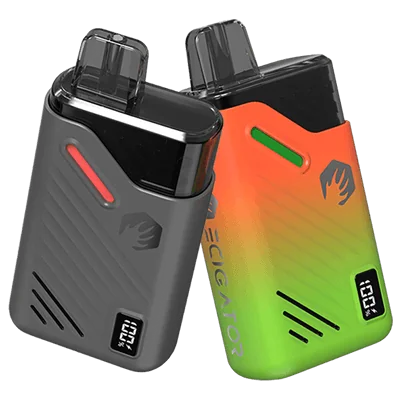
18K Disposable Pod Kit
Disposable Pod Kit – 18ml changeable pod with 650mAh rechargeable battery.
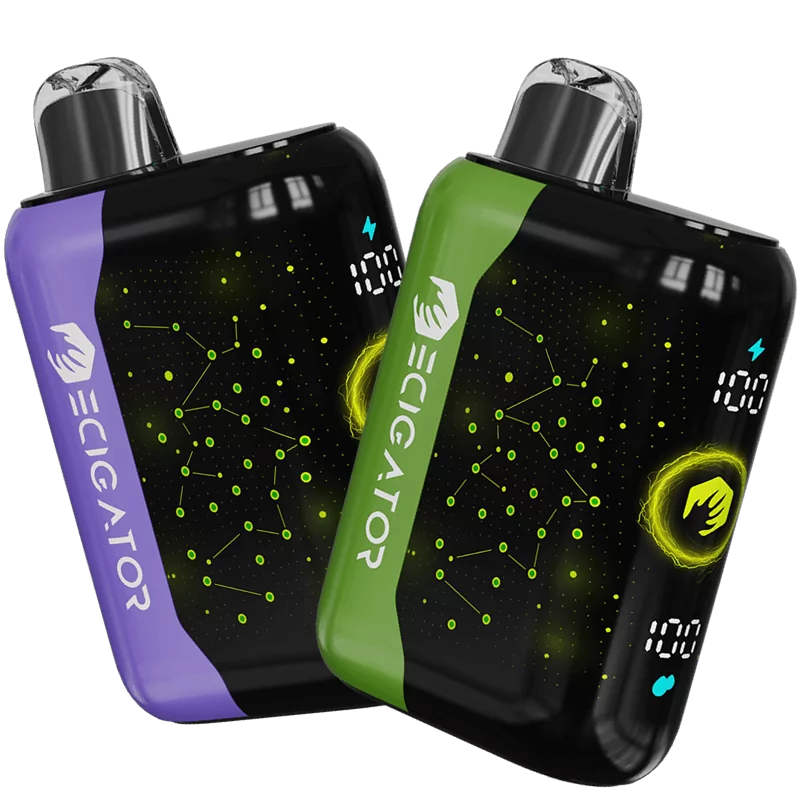
35K with Large Screen
35000 Puffs Disposable Vape with 3D galaxy screen. Eco and Pulse working modes.
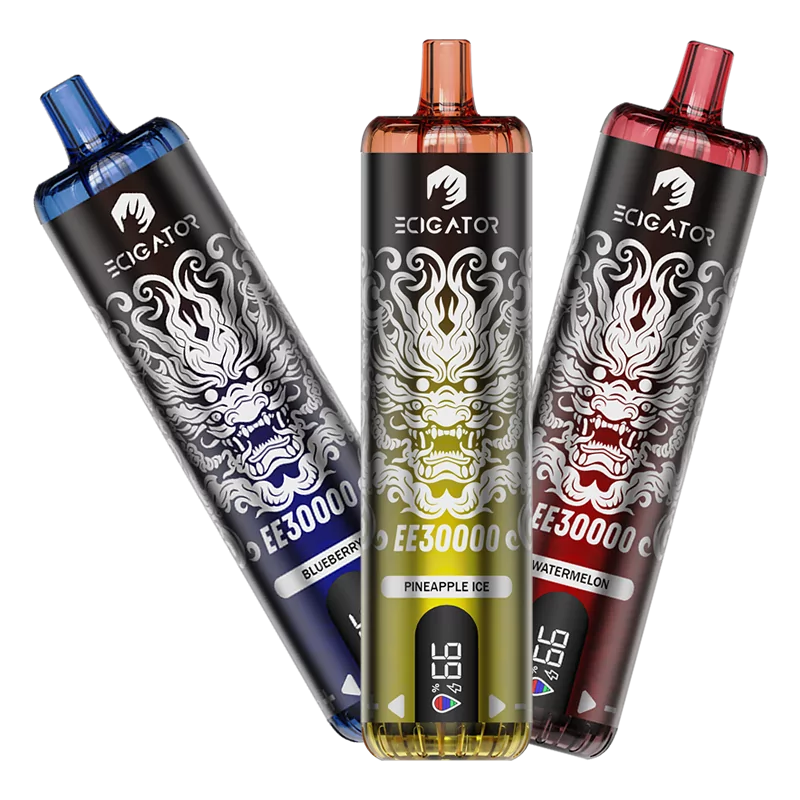
30K DTL Disposable
30K Puffs DTL(Directly to Lung) disposable vape with airflow control and screen.
Countries with Regulated Vaping Markets
In contrast to the widespread bans, a few key markets in the region have opted for regulation, treating vaping products as a distinct category subject to specific rules.
Indonesia
As ASEAN’s largest tobacco market, Indonesia has a complex relationship with vaping. While traditional smoking rates are extremely high (over 60% of men), the government has moved to regulate, rather than ban, vaping. Under Health Law No. 17/2023 and Government Regulation No. 28/2024, e-cigarettes and HTPs are treated similarly to traditional tobacco products. Key regulations include:
- Mandatory product registration and compliance with nicotine limits (phasing down to 20mg/ml by 2025).
- Large, cigarette-style graphic health warnings covering 75% of packaging.
- A ban on online sales and sales within 500 meters of schools or playgrounds.
- A minimum purchase age of 21 for vapes (notably higher than the 18-year-old limit for traditional cigarettes).
While Indonesian vape industry groups have welcomed the legal framework, public health officials continue to express concern over youth use and may push for tighter limits.
Philippines
The Philippines has also opted for a regulated market under its Vape Regulation Act (RA 11900) of 2022, with full enforcement from mid-2024. This law covers both nicotine and non-nicotine vaping products as well as HTPs. Key provisions include:
- A minimum purchase age of 18.
- Mandatory registration for all vape and HTP brands.
- Strict packaging requirements, including graphic health warnings.
- A ban on sales or promotions within 100 meters of schools.
- A ban on vaping in public spaces.
Fines for violations are steep, with manufacturers or retailers selling non-certified products facing penalties up to PHP 5 million (approx. US$90,000) and loss of license. The Department of Trade and Industry (DTI) has been active in enforcing these rules, including banning certain product types like open-system/refillable pods in some contexts to tighten control.
Malaysia
Malaysia presents a particularly complex and evolving situation. Vaping is legal but is being brought under tight control via the Control of Smoking Products for Public Health Act 2024 (Act 852), effective October 1, 2024. This act classifies all vape devices (nicotine or not) as “smoking products.” Key measures include:
- Mandatory product registration.
- A ban on retail display of all tobacco and vape products.
- A ban on online and vending machine sales.
- A phased reduction of maximum nicotine content to 20mg/ml by 2025.
Adding another layer of complexity, several Malaysian states (Johor, Terengganu, Kelantan, Perlis, Kedah, and Pahang) have moved to ban retail vape sales by refusing to issue or renew business licenses. Health Minister Dr. Dzulkefly Ahmad has also indicated that a full national ban is under consideration.
Myanmar
As of mid-2025, Myanmar remains the outlier in the region with no specific regulations on e-cigarettes or HTPs. The country’s 2006 Tobacco Control Law does not cover vapor devices, leaving them in a legal gray zone. While an informal market exists, there are no official licensing requirements, age limits, or penalties, though enforcement under general public nuisance or drug laws is possible on a case-by-case basis.
Conclusion: A Region of Stark Contrasts and Increasing Restrictions
Southeast Asia’s patchwork of vaping regulations presents a challenging environment for all stakeholders. The dominant trend across the region is towards stricter control, driven by concerns over youth protection and pushes from influential public health bodies like the WHO and the Southeast Asia Tobacco Control Alliance (SEATCA)1. Seven of the eleven nations have opted for outright prohibition, and enforcement in these jurisdictions, particularly Singapore and Thailand, is becoming increasingly severe.
In the few countries where vaping is regulated, the rules are tightening. Indonesia, Malaysia, and the Philippines have all implemented comprehensive legal frameworks that include registration, advertising bans, and age limits. Even in these regulated markets, the political will appears to be moving towards greater restriction rather than liberalization. Industry players and harm reduction advocates argue that overly strict bans may backfire by pushing users to a dangerous black market or back to deadly combustible cigarettes, especially in countries with very high smoking rates. However, as of 2025, the prevailing policy direction in Southeast Asia is clear: control and restriction are the primary objectives, and the era of unregulated vaping in the region is definitively over.

- Guyana Bans Recreational Vaping Products - October 19, 2026
- PHILTHRA Urges Risk-Based Vape Taxes as Research Shows 90% Toxin Drop - October 19, 2026
- Eight EU Nations Demand Total Vape Flavor Ban and Market Freeze in TPD Overhaul - October 19, 2026
Related posts:
 European Union Vape Taxation: A Diverse Landscape Across Member States
 Vaping Laws in New Jersey: Everything You Need to Know (2025 updated)
 Vaping Laws in Minnesota – Your Comprehensive Guide for 2025
 Vaping Laws in Mississippi – A Comprehensive Guide for 2025
 Vaping Laws in Kentucky: A Guide for Vapers in 2025

