
FDA Embraces Harm Reduction with Authorizations for Vapes Products
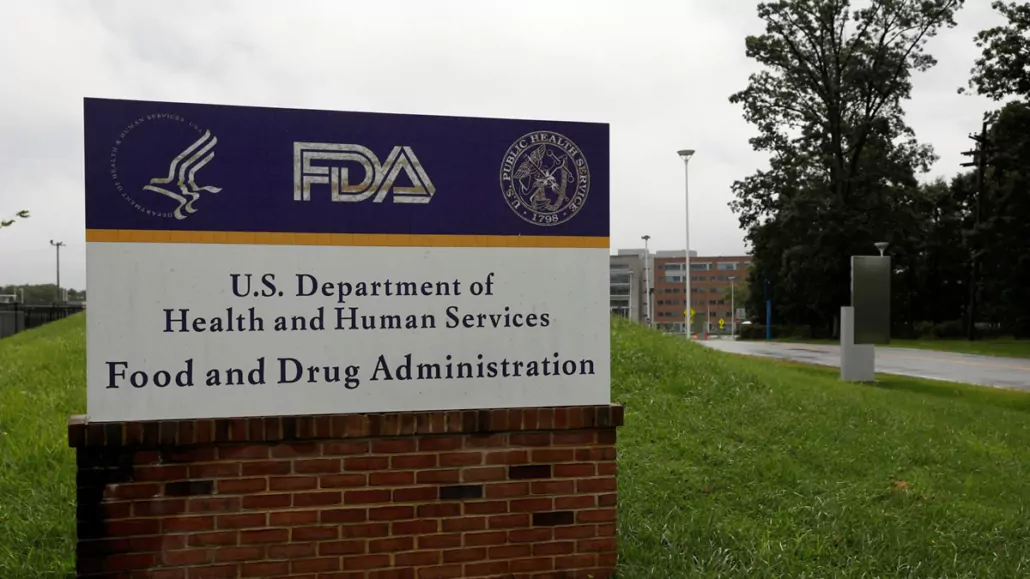
The US Food and Drug Administration has formally integrated harm reduction into federal tobacco regulation, issuing marketing authorizations for select vaping products and modern nicotine pouches. This strategy provides adult smokers with lower-risk alternatives to combustible cigarettes while maintaining strict age barriers to prevent youth access.
For decades, federal tobacco control centered on total nicotine cessation. However, the regulatory framework has expanded to recognize the difference between combustible tobacco and non-combustible nicotine delivery systems, establishing a pathway for adult smokers who struggle to quit traditional cigarettes.
Authorizing Regulated Nicotine Alternatives for Adults
The recent wave of FDA marketing orders includes flavored electronic nicotine delivery systems (ENDS) equipped with age-verification technology, as well as tobacco-free nicotine pouches. These regulatory authorizations confirm that certain flavored reduced-risk products can benefit public health when paired with access-prevention controls.
This balanced approach allows regulators to support adult smoking cessation while enforcing strict marketing standards. Rather than enforcing blanket prohibitions, the agency evaluates products through scientific reviews to ensure they provide a net public health benefit.
Youth Vaping Rates Drop in Latest Federal Data
The shift toward harm reduction coincides with measurable decreases in youth tobacco use across the United States. Findings from the FDA’s 2025 National Youth Tobacco Survey (NYTS) demonstrate that youth nicotine consumption has steadily decreased.
| Category | 2022 Rate | 2025 Rate | Status / Change |
|---|---|---|---|
| Overall Youth Tobacco Use | — | 7.2% (~2.01M students) | Decreased |
| Youth E-Cigarette Use | 9.4% | 5.2% | Down 4.2 percentage points |
| Daily Youth E-Cigarette Use | — | 1.4% | Low prevalence |
| Youth Combustible Cigarette Use | — | 1.4% | Historic low |
Despite these declining numbers, some advocacy groups continue to oppose regulated reduced-risk alternatives. Health policy analysts emphasize that regulatory frameworks should adapt to current empirical data rather than treating all nicotine delivery methods identically.
Targeting Illicit Supply Chains Over Lawful Retailers
A central challenge in modern tobacco control remains the proliferation of illicit, foreign-manufactured disposable vapes. These unauthorized devices are frequently disguised as common items, including highlighters, toys, and smartphones, specifically evading import controls and age checks.
Public health experts argue that regulatory agencies must concentrate enforcement resources on these illegal supply chains. Treating lawful, FDA-reviewed products the same as unregulated contraband risks driving adult consumers back to combustible tobacco while leaving black-market distribution unchecked.
Proportional Regulation Defines Future Policy
With more than 25 million American adults still smoking combustible cigarettes, access to regulated alternatives remains a vital public health tool. Proportional regulation creates a structured marketplace where manufacturers remain accountable to FDA standards, retailers enforce mandatory ID verification, and consumers have access to verified harm-reduction options.

- Mexico Passes Stricter Tobacco Law as Experts Warn of Cartel Trade - October 9, 2026
- FDA Tobacco Review Delays Threaten Public Health, GAO Report Reveals - October 9, 2026
- USA Northeast Vape Laws in 2026: State Taxes & Flavor Bans - October 9, 2026
Related posts:
 Smoking on Airplanes: A Look into the History and Current Regulations
 Russia Grants Municipalities Control Over Vape Sales Zones
 UK Pub Vape Ban: New Bill Targets Hospitality
 Massachusetts Flavored Tobacco Ban Leads to Jail Time
 The Different Types of Vape Coils and the Principle
 California Cannabis Industry Adapts to New Vape Law

