
Mexico Passes Stricter Tobacco Law as Experts Warn of Cartel Trade
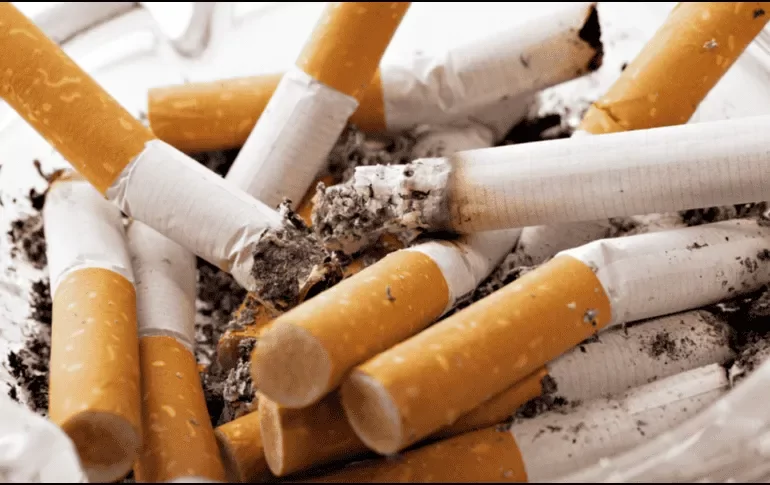
The Mexican Senate voted 97–0 to approve a reform to the General Tobacco Control Law, establishing strict advertising bans and expanding smoke-free public spaces. Sent to the Federal Executive for enactment, the bill excludes electronic cigarettes and vapes, reigniting debate over market regulation and illicit trade.
The measure prohibits direct and indirect advertising, sponsorships, and promotional merchandise featuring tobacco brand names or logos. Public areas – including workplaces, parks, sports centers, and public transport stations – must become smoke-free. Property managers have 60 days following official publication to set up dedicated outdoor smoking areas.
Public Health Costs and Harm-Reduction Strategies
According to the OECD, tobacco use causes over eight million deaths globally each year. In Mexico, the Ministry of Health estimates that treating smoking-related diseases accounts for 9.3% of total healthcare expenditures.
Industry experts argue that public policies should prioritize reduced-risk alternatives. During the Technovation conference, Tommaso Di Giovanni, Vice President of Communication at Philip Morris International (PMI), advocated for risk-differentiated rules.
“Becoming a smoke-free company is our ambition, but it does not depend solely on us,” Di Giovanni said. “Countries like India or Brazil prohibit these products, forcing the population to consume only the riskiest product: the traditional cigarette.”
Black Market Expansion and Organized Crime
Security analysts warn that total prohibitions on alternatives like vapes worsen crime rather than improving public health. Carlos Matienzo, founding partner of Dataint, noted that market bans create lucrative channels for cartels.
“Prohibiting vapes is giving another business to organized crime,” Matienzo explained, adding that restricting commercial spaces provides opportunities for criminal actors.
Alejo Campos, regional director of Crime Stoppers, emphasized that criminal groups now control manufacturing and distribution pipelines across Latin America. Former Chilean Undersecretary of the Interior Juan Francisco Galli added that illegal vape distribution networks in Brazil have linked directly to broader criminal operations, using commercial logistics lines to move unregulated goods.

- Mexico Passes Stricter Tobacco Law as Experts Warn of Cartel Trade - October 9, 2026
- FDA Tobacco Review Delays Threaten Public Health, GAO Report Reveals - October 9, 2026
- USA Northeast Vape Laws in 2026: State Taxes & Flavor Bans - October 9, 2026
Related posts:
 Maldives Enforces World’s First Generational Tobacco & Vape Ban
 Vaping Laws in Washington State: A Comprehensive Guide (2025 updated)
 Nevada Tobacco Coalition Pushes First Tax Hike Since 2015
 Big Vape Brands Bypass Ad Bans Via Global Social Media
 Vape Bans Continue Despite Research Supporting Smoking Cessation
 Russia to Ban Online Vape Sales and Non-Nicotine E-Cigs in June 2026
