
USA Northeast Vape Laws in 2026: State Taxes & Flavor Bans
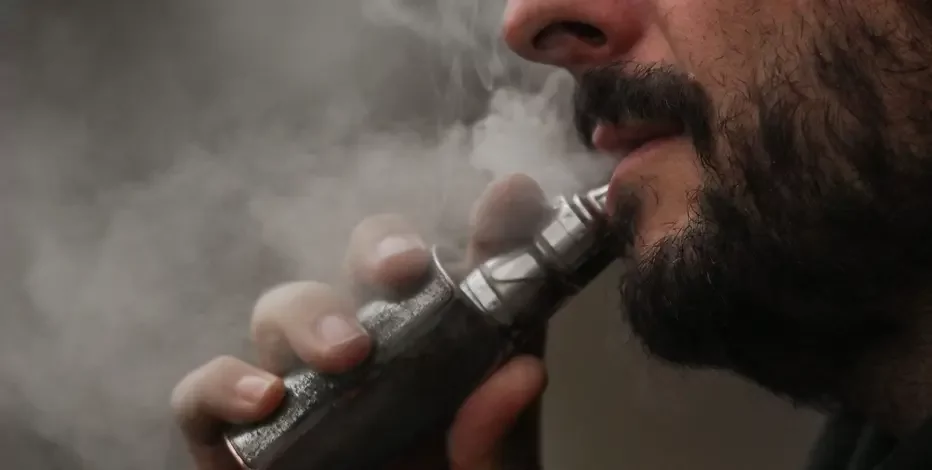
State lawmakers across the northeastern United States have enacted a divergent series of vaping regulations for 2026, creating legal friction for consumers and retailers crossing state lines. While federal law sets the minimum purchasing age at 21, individual states and municipalities have introduced aggressive flavor bans, steep excise taxes, and mandatory product directories.
A product legally purchased in one jurisdiction can result in product seizures and heavy fines just a few miles away. Navigating this shifting legal terrain requires understanding the specific statutory frameworks governing each state in the region.
Federal Baseline: The Scope of Tobacco 21
Under federal Tobacco 21 legislation, retailers across all 50 states cannot sell any tobacco or nicotine product to anyone under the age of 21. This federal statute serves as a regulatory floor rather than a ceiling.
States, counties, and local municipalities retain the authority to pass stricter measures. Across the Mid-Atlantic and Northeast, state legislatures have utilized this authority to restrict flavors, implement specialized tax tiers, and regulate supply chains through state-run product registries.
State-by-State Regulatory Breakdown
New York: Flavor Prohibitions and Oral Nicotine Taxes
New York maintains some of the strictest vapor policies in the country. The state prohibits the retail sale of all flavored nicotine vapor products. The legal definition of “flavored” covers mint, wintergreen, menthol, and abstract “concept flavors” that produce an aroma distinguishable from tobacco.
Vaping in New York is regulated under the state Clean Indoor Air Act, restricting use wherever combustible smoking is prohibited. Retail vapor sales carry a 20% supplemental sales tax. While oral nicotine pouches like Zyn remain exempt from the vapor flavor ban, lawmakers increased the wholesale tax on tobacco-free nicotine products to 75% as of September 1, 2026.
New Jersey: Expanded Flavor Bans and Tripled Tax Rates
New Jersey was the first state to permanently ban all flavored vaping products, including menthol and synthetic nicotine, leaving tobacco as the sole legal flavor option. The New Jersey Smoke-Free Air Act bars vaping in nearly all indoor public areas and shared workplaces.
Fiscal policy tightened following tax increases that tripled previous rates. New Jersey levies a tax of $0.30 per fluid milliliter of liquid nicotine alongside a 30% tax on the retail sale price of container e-liquid. Local municipalities are also advancing restrictions: North Bergen became the first township in the state to ban the retail sale of all flavored tobacco products, effective January 1, 2026.
Pennsylvania: Act 57 Directory and Ongoing Legal Challenges
Historically permissive regarding product flavors, Pennsylvania is reshaping its regulatory framework through Act 57, signed by Governor Josh Shapiro on December 22, 2025. The statute establishes a formal state directory of electronic nicotine delivery systems (ENDS) authorized for commercial sale.
To qualify for the directory, products must hold US Food and Drug Administration (FDA) marketing authorization or have an active, pending Premarket Tobacco Product Application (PMTA). Unlisted products become subject to state seizure after October 19, 2026. The law faces a legal challenge in federal court under MMA Group 1 Inc. v. Sunday, filed on May 20 by retail and distribution operators. In addition, the state maintains a 40% wholesale tax on e-cigarettes under Act 84.
Virginia: Heavy Fines for Unlisted Products
Rather than enacting statewide flavor prohibitions, Virginia has concentrated regulatory resources on eliminating unauthorized products from retail shelves. The state prohibits the sale of liquid nicotine or vapor products not included on the Attorney General’s directory, which requires FDA authorization or a timely PMTA submission.
Penalties for non-compliance increased on October 1, 2026. Retailers selling unlisted products face mandatory fines of no less than $5,000 for an initial violation, $10,000 for a second offense, and $15,000 for a third offense, replacing the previous $1,000-per-day penalty structure.
Maryland: Tiered Excise Taxes and Age-Gated Vending
Maryland combines targeted taxation with county-level regulatory authority. While the state has not instituted a blanket flavor ban, several local counties enforce independent flavor restrictions.
Maryland applies a split tax structure: e-liquid sold in containers of 5 ml or less is taxed at 60% of the retail price, whereas electronic smoking devices are taxed at 20%. Automated vending machine sales of tobacco and vapor products are limited strictly to licensed establishments where individuals under 21 are prohibited by law.
Delaware: Volume-Based Tax Models
Delaware allows the sale of flavored vapor products to adults aged 21 and older but strictly regulates public consumption under its Clean Indoor Air Act. Vaping is banned inside enclosed workplaces, bars, and restaurants.
Delaware taxes e-liquid by volume rather than wholesale or retail price, imposing an excise tax of 5 cents per fluid milliliter of vapor product.
Washington, D.C.: Buffer Zones and Wholesale Taxes
Washington, D.C. prohibits the sale of flavored tobacco and synthetic nicotine products across the District. The municipal statute also establishes school buffer zones, barring the sale of flavored products and electronic smoking devices within a quarter-mile of any middle or high school.
Indoor vaping is prohibited wherever traditional smoking is banned. The District adjusted its wholesale tax on “other tobacco products” from 71% down to 64%, maintaining one of the highest wholesale tax rates in the nation.
Comparative Overview of Northeast State Vaping Regulations
| State / Jurisdiction | Statewide Flavor Ban | Directory Law Status | Vapor Tax Structure |
|---|---|---|---|
| New York | Yes (Includes menthol & concepts) | No | 20% retail tax (75% wholesale on oral pouches) |
| New Jersey | Yes (Includes menthol & synthetic) | No | $0.30/ml + 30% retail price |
| Pennsylvania | No (Open market for 21+) | Yes (Act 57 enforced Oct 19, 2026) | 40% wholesale tax |
| Virginia | No | Yes (Active, fines up to $15,000) | Standard sales tax rates apply |
| Maryland | Local county bans only | No | 60% retail (containers ≤ 5ml); 20% on devices |
| Delaware | No | No | $0.05 per milliliter |
| Washington, D.C. | Yes (Includes school buffer zones) | No | 64% wholesale tax |
Compliance Considerations for Retailers and Consumers
The divergent legal approaches across the Northeast mean that distribution networks and retail chains operating in multiple states must customize their inventory management by location. In states with active registry laws like Virginia and Pennsylvania, distributors must audit inventories against state-approved lists to avoid substantial financial penalties and inventory confiscation.
For adult consumers traveling throughout the region, products purchased legally in Pennsylvania or Delaware cannot be legally resold or distributed in neighboring jurisdictions with flavor bans like New York or New Jersey. Staying informed on state-level developments remains essential as municipal ordinances continue to evolve.
- Read more: Vaping Laws in the U.S. by State

- FDA Tobacco Review Delays Threaten Public Health, GAO Report Reveals - October 9, 2026
- USA Northeast Vape Laws in 2026: State Taxes & Flavor Bans - October 9, 2026
- Pennsylvania to Enforce Act 57 Vape Directory Ban on October 19 - October 9, 2026
Related posts:
 Vaping in 2026: How Research and Consumer Demand Converge
 Canada’s Flavored Vape Bans Linked to Rise in Cigarette Sales
 Senator Wyden Investigates Trump and RFK Jr. Over Big Tobacco and Kratom Deals
 Vaping Laws in Minnesota – Your Comprehensive Guide for 2025
 UK Vape Businesses Warned to Register for New Duty by July Deadline

