
How Big Tobacco Engineered Lunchables to Target and Hook Kids
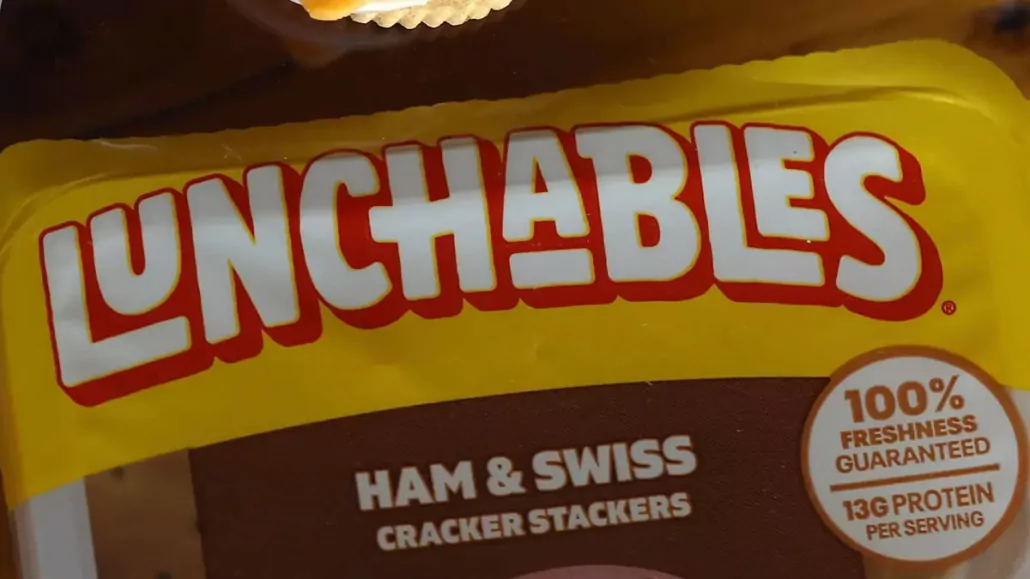
A landmark study published in the American Journal of Public Health has revealed that tobacco giant Philip Morris systematically applied its cigarette engineering, behavioral science, and youth-targeted marketing tactics to design and popularize Kraft’s Lunchables. This corporate playbook successfully hooked millions of children, driving an epidemic of diet-related chronic illnesses.
When Lunchables debuted in 1989, they revolutionized school lunches. The yellow boxes of crackers, cheese, and deli meat offered working mothers a highly convenient meal-prep solution while giving children an interactive, DIY dining experience. Sales exploded, reaching a staggering $200 million in the first year alone.
However, this massive commercial success was far from accidental. According to Laura Schmidt, a professor at the University of California, San Francisco (UCSF) who authored the report, the product’s design was heavily informed by internal tobacco industry documents detailing how to make products highly appealing and habit-forming.
The Corporate Merger of Tobacco and Food
In the mid-1980s, Philip Morris Companies acquired General Foods and Kraft, merging the worlds of tobacco and processed food. This consolidation allowed tobacco executives to transfer their highly sophisticated, consumer-driven product development strategies directly to supermarket shelves.
This cross-industry synergy allowed food scientists to adopt the same technical knowledge used to make cigarettes appealing to first-time users. The goal was to create highly engineered, ultraprocessed foods that maximized sensory appeal while bypassing the natural skepticism of parents.
Engineering Lunchables Like a Cigarette
To ensure the success of Lunchables, designers focused heavily on the psychology of the buyer—the mother—and the end consumer—the child. Philip Morris executives utilized internal research to address the guilt working mothers felt about serving packaged foods.
Designers implemented several clever visual and structural cues to ease parental anxiety:
- The Gift Wrap Effect: The outer packaging was designed to resemble a wrapped gift, transforming a mundane lunch into an exciting reward for the child.
- Transparent Windows: Small, clear plastic windows were built into the cardboard so mothers could physically see the food, creating a subconscious association with freshness.
- Familiar Branding: The product heavily incorporated trusted, pre-existing Kraft singles branding to build instant consumer trust and credibility.
Simultaneously, the food itself was engineered to act as a toy. The DIY assembly of crackers, meat, and cheese gave children a tactile, interactive experience. This design philosophy remains central to the brand today, with modern marketing campaigns encouraging children to build animal shapes out of processed meats.
The “Hook ‘Em Young” Strategy
A core tenet of the tobacco business model is securing brand loyalty at the earliest possible age. Schmidt notes that Philip Morris applied this exact logic to ultraprocessed foods to lock in consumers for life.
Just as tobacco companies designed cartoon characters like Joe Camel to appeal to children who were legally barred from buying cigarettes, food marketers targeted toddlers to secure lifelong consumers. By capturing a child’s loyalty at age three or five, corporations drastically reduced the long-term cost of competing for those consumers later in life.
Marketing divisions within these conglomerates calculated the long-term financial amortization of early brand lock-in. Once a child became loyal to a brand’s flavor profile and packaging, they were highly likely to continue purchasing products from the same parent company into adulthood.
The Illusion of Choice in a Monopolized Market
While critics often frame the consumption of junk food as a matter of personal responsibility, Schmidt argues that the modern food system deprives consumers of genuine choice. Currently, ultraprocessed foods make up approximately 70% of all packaged items in grocery stores.
This saturation is maintained by a highly consolidated market where only eight multinational corporations control the vast majority of the global food supply. This profound lack of competition allows companies to create an illusion of choice while limiting access to whole, healthy foods.
By plastering packages with misleading health claims—such as “natural,” “organic,” or “low-fat”—and utilizing aggressive front-of-package marketing, these monopolies absolve themselves of responsibility for the public health consequences of their products.
Applying the Tobacco Regulation Blueprint
To combat the rising rates of childhood obesity, diabetes, and cardiovascular diseases linked to ultraprocessed diets, public health advocates urge governments to adopt the same regulatory framework that successfully dismantled the tobacco epidemic in the 1990s.
Schmidt outlines several critical policy interventions that could shift the market toward healthier options:
- Antitrust Enforcement: Breaking up the monopolistic conglomerates that control grocery distribution and food production to restore true market competition and lower the price of whole foods.
- Targeted Taxation: Implementing excise taxes on unhealthy, sugar-laden, and highly processed products, a strategy already proven successful in over 70 countries worldwide.
- Warning Labels: Mandating clear, front-of-package warning labels on ultraprocessed foods, similar to black-box warning systems adopted across Latin America.
- Marketing Restrictions: Banning child-focused advertising, including the use of cartoon mascots on unhealthy food packaging.
Corporate Reformulation as a Shield
In response to growing public health scrutiny, the food industry has historically relied on “reformulation” to protect its market share. When childhood obesity became a national concern, Kraft introduced low-fat variations of Lunchables to appease worried parents.
However, Schmidt warns that these minor ingredient adjustments are designed to distract lawmakers and consumers from systemic issues. While Kraft Heinz—which split from Philip Morris in 2007—asserts that its current portfolio features healthier options with less sodium and sugar, the fundamental, addictive product designs pioneered by Big Tobacco remain unchanged.
For everyday consumers, avoiding the traps of the ultraprocessed food industry requires vigilance. Schmidt advises shoppers to ignore front-of-package marketing claims and scrutinize the ingredient list on the back. If a product contains chemical additives, preservatives, or ingredients not found in a standard home kitchen, it is best to avoid it entirely.

- Guyana Bans Recreational Vaping Products - October 19, 2026
- PHILTHRA Urges Risk-Based Vape Taxes as Research Shows 90% Toxin Drop - October 19, 2026
- Eight EU Nations Demand Total Vape Flavor Ban and Market Freeze in TPD Overhaul - October 19, 2026
Related posts:
 Hong Kong Implements Two-Tier Penalty for Public Vaping Start April 30
 Malaysia Vape & Tobacco Regulations 2025: The Complete Industry Guide
 Global E-Cigarette Industry Weekly Report (3.27-4.02)
 West Virginia Passes Bill Banning Smoking in Cars with Children Under 16
 Ohio Proposes Weakest Smoking Ban in Cars with Children Nationwide
 Idaho Lacks Laws Banning Smoking in Cars with Children

